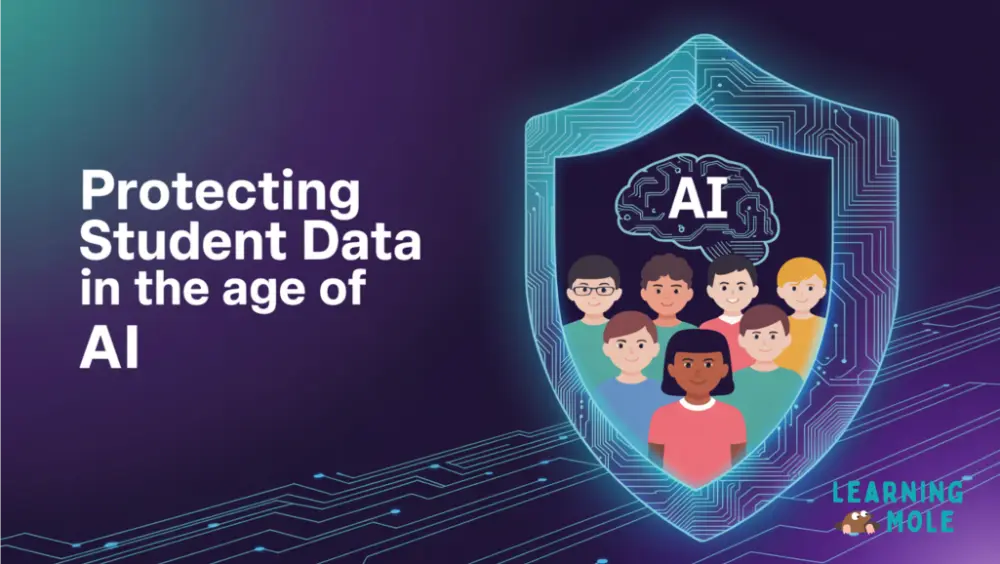
A group of graduate students from the Computer Science program at Pamulang University in Tangerang has launched a campaign aimed at enhancing awareness about the significance of protecting personal data in the age of artificial intelligence. This campaign comes at a time when the world is witnessing a surge in digital threats, necessitating the implementation of preventive measures to safeguard personal information.
During the event held at the At-Taqwa Islamic Junior High School, student I Made Mustika Kerta Astawa emphasized the importance of regularly changing passwords as a means to protect digital identities. He also pointed out the necessity of using tools like periksadata.com to check email security, noting that every activity in cyberspace leaves a digital footprint that can be exploited for fraudulent purposes.
Event Details
The campaign included participation from several faculty members and students, including Dr. Sajarwo Anggai and Rafi Mahmud Zain, who highlighted the risks associated with using applications that require personal data input. Rafi Mahmud Zain stated that students are the demographic most in need of such awareness, especially given the rapid advancements in technology.
The campaign also addressed other important topics such as the dangers of malicious applications, the spread of fake news, and the increasing phenomenon of online gambling among youth. These activities aim to empower students to use technology safely and effectively.
Background & Context
Protecting personal data is a vital issue in the digital age, where instances of data breaches and cyber fraud have notably increased. According to global reports, the number of cyberattacks is on a continuous rise, underscoring the need to enhance awareness about how to protect personal information.
These initiatives are part of global efforts to combat cybercrime, with many countries striving to establish stringent legislation for data protection. In this context, educational institutions play a crucial role in educating students and equipping them with the necessary knowledge to maintain their privacy.
Impact & Consequences
The implications of this campaign extend beyond mere awareness; it contributes to building a conscious generation capable of tackling digital challenges. By raising awareness, the risks of exposure to breaches and fraud can be reduced, positively impacting society as a whole.
Moreover, these activities enhance the youth's ability to use technology responsibly, contributing to the creation of a safer digital environment. As reliance on artificial intelligence increases, it becomes essential for individuals to possess the knowledge required to protect themselves.
Regional Significance
In the Arab region, the importance of such initiatives is growing, as Arab youth constitute a significant portion of the population. With the increasing use of technology in daily life, it is crucial to promote awareness about personal data protection.
Many Arab countries are working to enhance cybersecurity, which requires collaboration between educational and governmental institutions to develop effective awareness programs. Strengthening digital awareness can help protect Arab youth from the risks associated with cyberspace.
In conclusion, protecting personal data in the age of artificial intelligence is not just an individual responsibility; it is a collective duty that requires the concerted efforts of all parties involved. Through awareness and education, we can build a safe and thriving digital community.