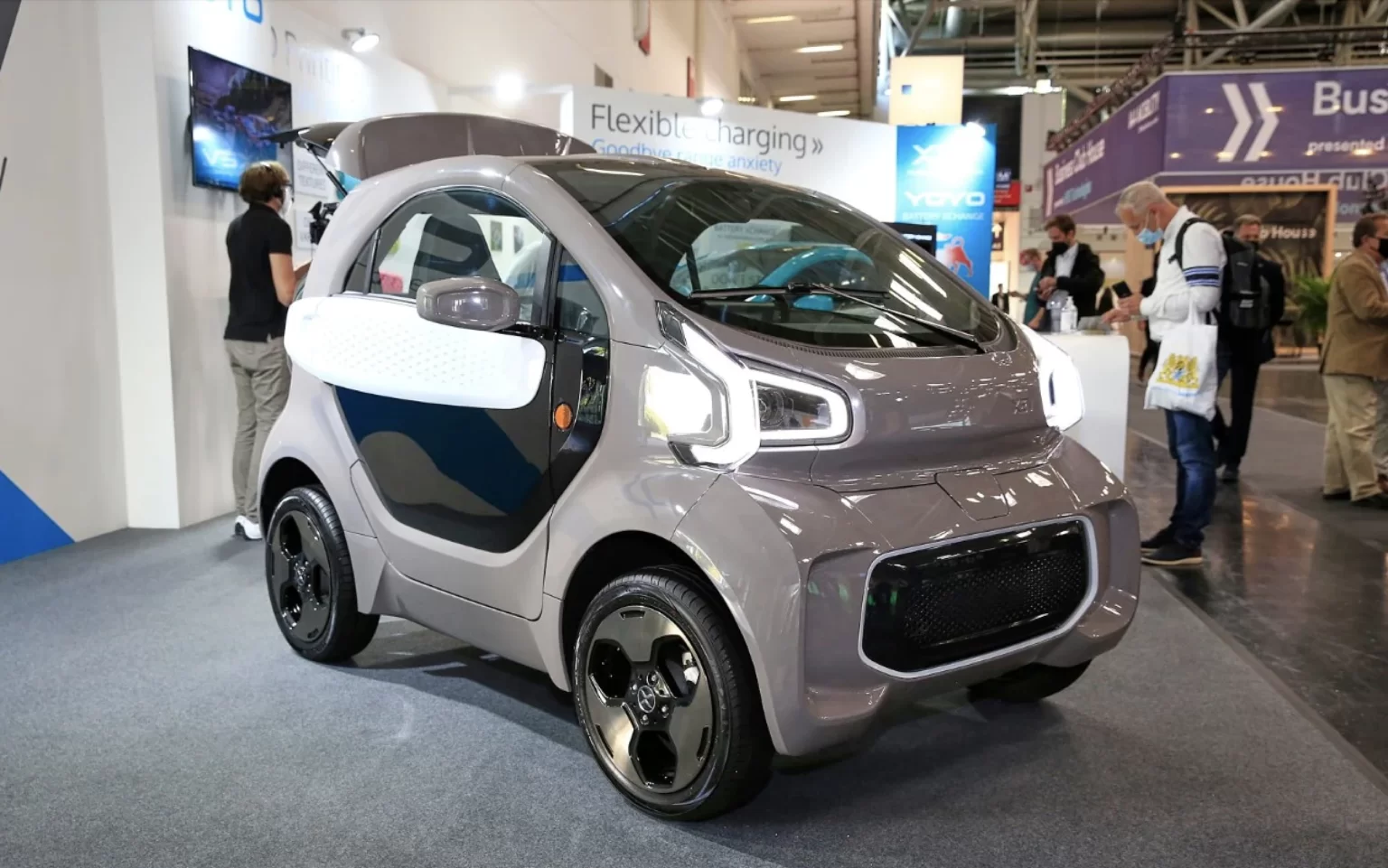
The Beijing Auto Show, held recently in the Chinese capital, showcased impressive technological innovations that will shape the future of driving. Major Chinese companies such as BYD, NIO, and SAIC presented a range of electric vehicles and self-driving cars, reflecting the global shift towards sustainability and advanced technology.
This exhibition, considered one of the largest events in the automotive industry, attracted visitors from around the world, where new models combining high performance and modern design were introduced. The importance of transitioning to electric vehicles was highlighted in light of current environmental challenges.
Event Details
At this show, a variety of electric vehicles featuring advanced technologies such as autonomous driving and smart connectivity were unveiled. Vehicles equipped with advanced safety systems were also displayed, showcasing the commitment of Chinese companies to provide innovative solutions that meet consumer needs.
Among the standout exhibits was the BYD Han, which boasts a driving range of up to 600 kilometers on a single charge, along with the NIO ET7, which offers a unique driving experience thanks to its modern technologies. These innovations indicate that China aims to be a global leader in the electric vehicle sector.
Background & Context
Historically, the automotive industry in China has experienced rapid growth, making the country the largest car market in the world. With increasing environmental awareness, the Chinese government has begun supporting the shift towards electric vehicles by offering incentives to consumers and developing charging infrastructure.
This trend aligns with global efforts to reduce carbon emissions, as many countries seek to decrease reliance on fossil fuels. China has demonstrated its capacity for innovation in this field, making it a focal point for the world.
Impact & Consequences
The innovations showcased at the Beijing Auto Show are indicative of future trends in the automotive industry. As demand for electric vehicles increases, traditional companies will face significant challenges in adapting to this shift.
Moreover, these innovations could impact global automotive markets, potentially leading to changes in supply chains and distribution. Companies that do not embrace these trends may find themselves at a disadvantage in the face of increasing competition.
Regional Significance
For the Arab region, this development in the electric vehicle industry represents a significant opportunity. Many Arab countries are seeking to diversify their energy sources and reduce dependence on oil, making electric vehicles an attractive option.
Furthermore, investments in this sector could lead to the creation of new job opportunities and enhance local innovation. Collaborating with Chinese companies in this field could also contribute to developing the necessary infrastructure to support electric vehicles in the region.
The Beijing Auto Show is not just a technological event; it signifies the major transformations taking place in the automotive industry. As innovation continues, this industry will evolve, opening new horizons for the future.