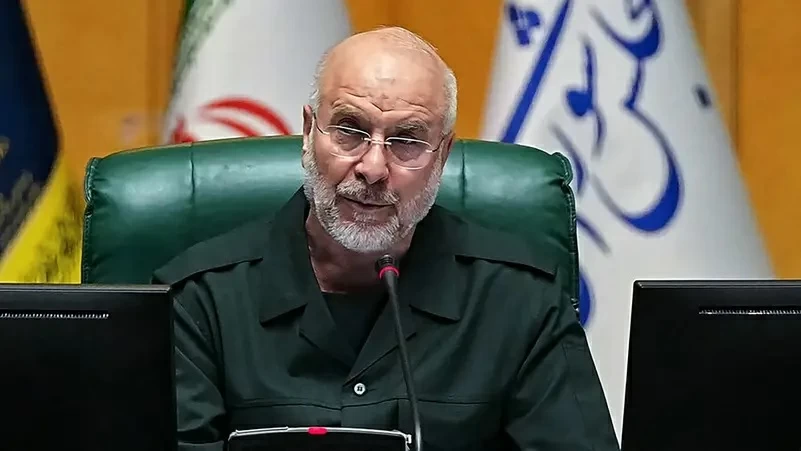
Islamabad, the capital of Pakistan, is preparing to host direct negotiations between Iran and the United States scheduled for next Friday. It is expected that Iranian Parliament Speaker Mohammad Baqer Qalibaf will lead the Iranian delegation, representing a significant change in the structure of the negotiating team.
The Iranian news agency ISNA reported that Qalibaf is the leading candidate to head the delegation, although a final decision has yet to be made. On the other side, US Vice President J.D. Vance will lead the negotiating team for Washington, raising expectations for serious discussions on the outstanding issues between the two parties.
Details of the Event
This round of negotiations is the first of its kind to occur directly between the two sides since the onset of the conflict. The Iranian channel Foori News noted that these negotiations will differ from previous rounds, which were conducted indirectly under the leadership of Iranian Foreign Minister Abbas Araghchi.
Moreover, the American site Axios cited informed sources indicating that the upcoming meeting will be a historic opportunity for direct communication between the two sides, potentially contributing to easing escalating tensions. The negotiations are expected to address several sensitive issues, including a proposed ceasefire that has sparked debates between the Persian and English versions.
Background & Context
These negotiations come amid complex circumstances, as Iran has recently witnessed an escalation in American and Israeli attacks, resulting in the deaths of numerous Iranian officials. These events have significantly impacted Iranian domestic and foreign policy, as the Iranian regime seeks to rearrange its strategies in light of increasing challenges.
Despite the appointment of Mohtaba Khamenei as the new Supreme Leader of Iran nearly 40 days ago, he has not made a public appearance, adding to the uncertainty surrounding Iranian leadership during this sensitive phase. This ambiguity may influence the outcomes of the negotiations, especially given the lack of clarity regarding the official Iranian stance.
Impact & Consequences
If the negotiations succeed, they could lead to a de-escalation of tensions in the region, positively reflecting on security and stability in the Middle East. Additionally, a successful outcome could open the door to improved relations between Iran and the United States, which may have far-reaching implications for regional politics.
Conversely, if the negotiations fail, it could trigger a new escalation in the conflict, complicating the situation in the region and adversely affecting neighboring countries. Therefore, the results of these negotiations will be closely watched by the world.
Regional Significance
The negotiations between Iran and the United States hold particular importance for Arab countries, as any change in relations between the two parties could directly impact regional security. Arab nations, especially those sharing borders with Iran, are closely monitoring the developments of these negotiations.
Furthermore, any progress in the negotiations could contribute to improving relations between Iran and some Arab countries, potentially paving the way for greater cooperation in various fields. In contrast, any escalation could lead to increased tensions in the region, negatively affecting stability and security.
In conclusion, all eyes remain on Islamabad, where the involved parties hope to achieve tangible progress during these negotiations, which could mark a turning point in Iranian-American relations.