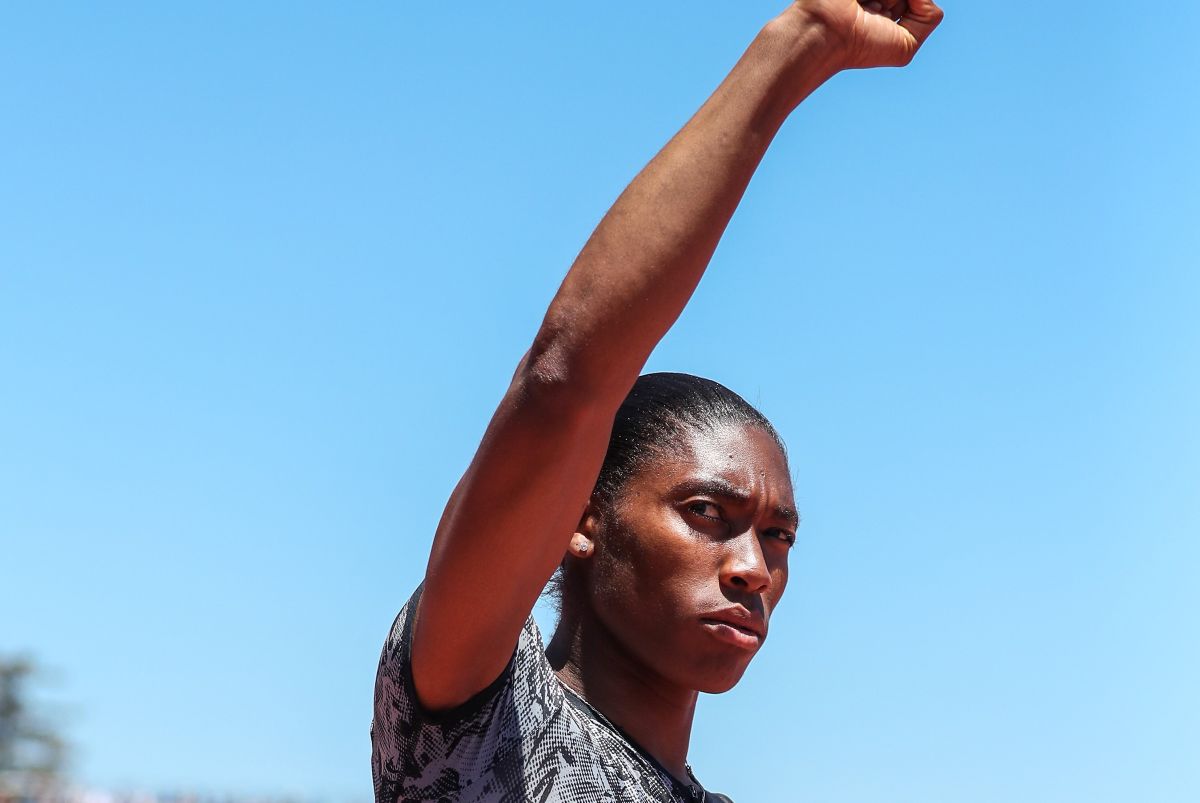
South African Olympic champion Caster Semenya has voiced her significant disappointment following comments made by Kirsty Coventry, the chair of the International Olympic Committee (IOC) Athletes' Commission, regarding the participation of transgender athletes in sports competitions. The decision made by the IOC has sparked varied reactions, with Semenya asserting that this ruling harms the careers of many athletes and undermines their efforts.
Semenya, considered one of the most prominent runners in Olympic history, has faced considerable challenges in her athletic career due to issues related to her gender. In her statements, she emphasized that the IOC's decision does not take into account the rights of transgender athletes, leaving her with a profound sense of disappointment.
Details of the Event
Earlier, the IOC announced a set of new rules aimed at regulating the participation of transgender athletes in competitions. These rules include specific conditions related to testosterone levels, which have sparked widespread debate among athletes and sports enthusiasts. Kirsty Coventry, who holds the position of chair of the Athletes' Commission, confirmed that these rules aim to achieve fairness in competitions; however, many athletes, including Semenya, believe that these regulations may be unjust.
Semenya, who won two gold medals at the 2012 and 2016 Olympics, has undergone several medical and legal tests to determine her gender, making her a focal point of controversy in the sports world. She expressed her dissatisfaction that the IOC did not consider the experiences of athletes facing similar challenges.
Background & Context
Historically, issues of gender and sexual identity in sports have been a contentious topic. In recent years, many sports committees around the world have begun to reevaluate their policies regarding the participation of transgender athletes. However, these policies are often inconsistent and depend on local and international laws, leading to ambiguity in how to address these issues.
In 2015, the IOC issued new guidelines allowing transgender athletes to compete but with certain restrictions. Nevertheless, these guidelines were insufficient to meet the needs of all athletes, resulting in ongoing debate on the subject.
Impact & Consequences
The IOC's recent decision could significantly affect the future of many transgender athletes. Semenya, viewed as a symbol of the struggle for athletes' rights, may serve as a role model for many other athletes facing similar challenges. This controversy is likely to lead to further discussions about the rights of transgender athletes and may prompt some sports committees to reconsider their policies.
Moreover, this decision could impact the image of the IOC, as it may be perceived as unable to achieve fairness and equality among all athletes. Under these circumstances, the committee may face increased pressure from the sports community and civil society.
Regional Significance
In the Arab region, issues of sexual identity and civil rights remain sensitive topics. The debate surrounding the rights of transgender athletes may raise awareness about human rights issues in the region. Additionally, discussions on this subject could contribute to enhancing dialogue about women's rights and equality in sports.
In conclusion, the IOC's decision regarding the participation of transgender athletes represents a turning point in the world of sports and may have far-reaching effects on the future of sports and athletes' rights worldwide.