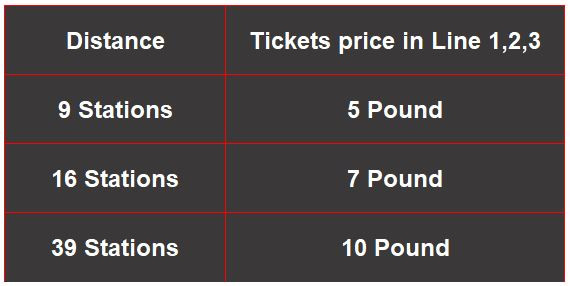
The Egyptian Metro Authority has announced discounts of up to 55% on monthly subscription prices for specific categories including students, seniors, and the general public. This decision is part of the government's efforts to alleviate financial burdens on citizens and improve public transportation.
This initiative represents significant support for students who rely on the metro as a primary means of commuting to universities and schools, allowing them to save a substantial portion of their monthly budget. Seniors also benefit from these discounts, reflecting the state's commitment to supporting the most vulnerable segments of society.
Details of the Discounts
The new monthly subscriptions feature reduced prices, with students able to obtain a monthly subscription for 50 Egyptian pounds instead of 110 pounds, while seniors can acquire the same subscription for 70 pounds. The general public can benefit from discounts of up to 30% on monthly subscriptions.
Through this initiative, the Metro Authority aims to increase the number of passengers, which contributes to improving service levels and reducing congestion in other modes of transport. This move comes at a time when the country is experiencing rising fuel prices, making public transport a more attractive option.
Background & Context
Historically, Egypt has witnessed numerous changes in its public transport system, with the Cairo metro being established in 1987 as a solution to traffic congestion. Since then, the metro has become one of the most important means of transport in the capital, serving millions of passengers daily.
In recent years, the Egyptian government has made several improvements to the metro network, including adding new lines and upgrading stations. These enhancements aim to increase service efficiency and meet the growing needs of citizens.
Impact & Consequences
These discounts are expected to lead to a significant increase in the number of passengers, which will help improve the Metro Authority's overall revenues. Additionally, the increase in passenger numbers could contribute to reducing street congestion, positively impacting the environment and quality of life in major cities.
Furthermore, this initiative may encourage more citizens to use public transport instead of private cars, contributing to reduced harmful emissions and improving air quality in Cairo.
Regional Significance
This initiative serves as a model for other countries in the region, where many Arab cities face similar challenges in public transport. This step could inspire other nations to adopt similar policies aimed at improving public transport and alleviating financial burdens on citizens.
In light of the economic challenges facing many Arab countries, enhancing public transport could be one of the effective solutions to promote sustainable development and improve quality of life.