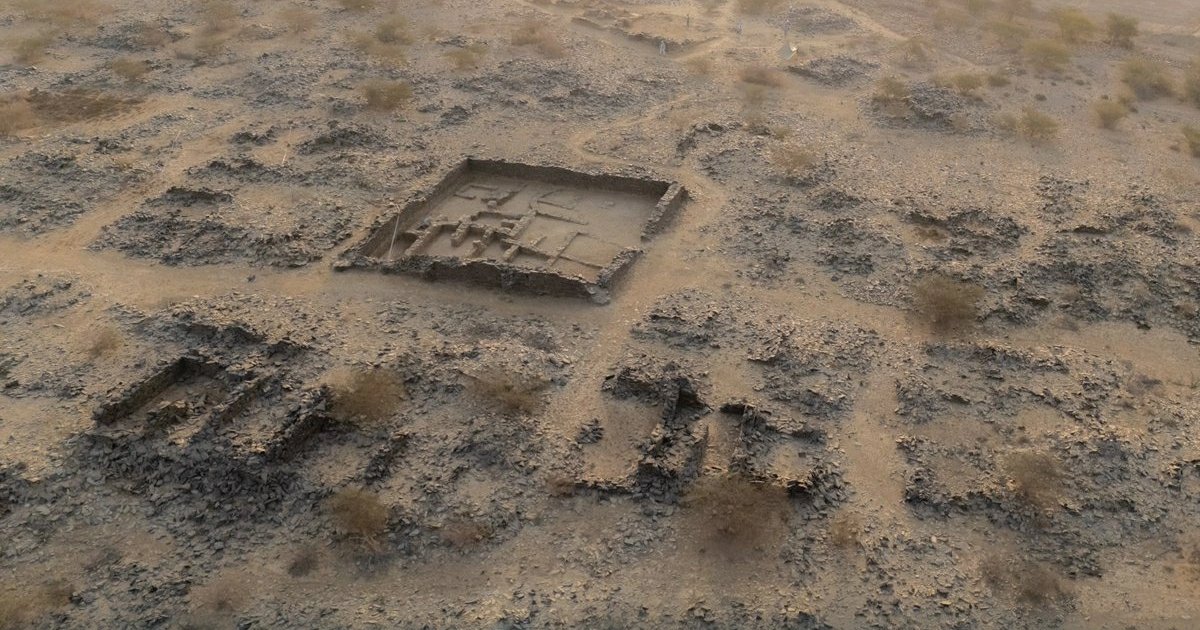
The Saudi Commission for Tourism and National Heritage has announced the conclusion of its second archaeological season at the Al-Asdah site in Al-Mukhwah. These excavations are part of scientific programs aimed at studying archaeological sites in the Kingdom and documenting their architectural landmarks and cultural components. These efforts contribute to a deeper understanding of human settlement patterns and the economic and religious activities that took place at these sites across different historical periods.
The Al-Asdah site is considered one of the most prominent historical mining locations in southwestern Saudi Arabia, holding significant geographical and historical importance as it serves as a major stop on the pilgrimage route from Yemen to Mecca. Field excavations have uncovered several architectural features and artifacts that reflect life at the site during its periods of prosperity.
Details of the Discoveries
Among the notable discoveries, an ancient mosque was found, spanning approximately 11 meters by 12 meters, featuring a prayer niche and three main entrances. Additionally, square column bases that supported the roof were discovered, indicating a clear architectural layout. Furthermore, four rooms adjacent to the mosque were uncovered on the northeastern side, ranging in size from 4 by 5 meters to 3 by 4 meters. These rooms include architectural elements such as water basins, storage facilities, and internal fireplaces used for cooking, suggesting they were designated for residential purposes or service activities related to the mosque.
Various artifacts were also found, including shards of pottery, both plain and glazed, as well as soapstone vessels, grinding stones, and millstones used in food preparation. These discoveries reflect the daily life patterns and living activities of the site's inhabitants.
Background & Context
Historically, the Al-Asdah site was part of a vast network of trade and religious routes connecting different regions of the Arabian Peninsula. These routes played a vital role in facilitating the movement of pilgrims and traders, contributing to the prosperity of local communities. The site also exhibits multiple cultural and religious influences, reflecting the rich diversity of civilizations that have passed through the region.
The Saudi Commission for Tourism and National Heritage aims, through these excavations, to enhance scientific understanding of the history of the Arabian Peninsula and document the rich cultural heritage of the Kingdom. These efforts are part of a broader strategy aimed at preserving archaeological sites and promoting cultural tourism in the country.
Impact & Consequences
The archaeological discoveries at the Al-Asdah site represent a significant step towards enhancing cultural and historical awareness in the Kingdom. These efforts not only contribute to heritage preservation but also promote cultural tourism, which can aid in the economic development of the region. Moreover, these discoveries may open new avenues for academic studies and scientific research in the fields of history and archaeology.
Furthermore, these findings reflect the importance of cultural heritage in shaping national identity and fostering belonging. Understanding our history and culture helps build a more cohesive and aware society.
Regional Significance
The archaeological discoveries at Al-Asdah are part of broader efforts to preserve cultural heritage in the Arab world. These initiatives contribute to mutual understanding between different cultures and highlight the historical links between Arab countries. Additionally, these discoveries enhance the importance of cultural tourism as a tool for sustainable development in the region.
In conclusion, the archaeological discoveries at the Al-Asdah site represent an important step towards a deeper understanding of the region's history and reflect ongoing efforts to preserve the rich cultural heritage of the Kingdom of Saudi Arabia.