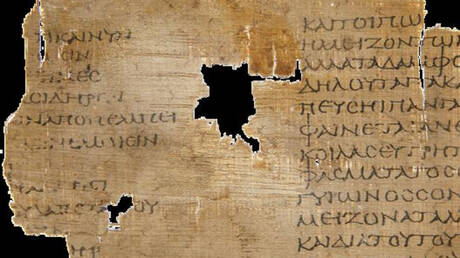
Archaeologists have uncovered a fragment of a 2000-year-old papyrus in the archives of the French Institute of Oriental Archaeology in Cairo, marking an important discovery in the field of ancient philosophy. This papyrus, stored in the archives, contains previously unknown philosophical texts, which opens new horizons for understanding ancient Greek thought.
This discovery is considered a pivotal event in the study of ancient philosophy, as the discovered texts reveal new aspects of the philosophical thought that prevailed during that time. The scholars who analyzed the texts believe that this papyrus may contribute to reevaluating some philosophical concepts that have been considered well-known until now.
Details of the Discovery
The papyrus was discovered during an archival organization process at the French Institute, where researchers were reviewing ancient documents. Initial examinations showed that the texts, written in ancient Greek, address complex philosophical topics, indicating the depth of philosophical thought in that era.
One researcher stated, "This discovery provides us with a unique opportunity to understand how Greek philosophers addressed issues such as existence, knowledge, and ethics." The texts have been meticulously documented, and they are expected to be published in upcoming academic studies.
Background & Context
The significance of this discovery lies in the historical context in which Greek philosophy emerged. Ancient Greece was a center of philosophical thought, where many philosophers such as Socrates, Plato, and Aristotle contributed to shaping the intellectual foundations that still influence modern philosophy.
Throughout the ages, many ancient texts have been discovered that helped in understanding the evolution of philosophical thought, but the discovery of a new papyrus adds a new dimension to this field. Similar discoveries enhance the importance of preserving cultural and archaeological heritage in the region.
Impact & Consequences
This discovery could have a significant impact on philosophical and academic studies. The new texts may reshape our understanding of some fundamental philosophical concepts and open the door to new research in this field. Additionally, this discovery may encourage more scholars to explore ancient archives in search of other hidden texts.
Moreover, this discovery could contribute to enhancing cultural tourism in Egypt, as it may attract researchers and tourists interested in history and philosophy to the French Institute of Oriental Archaeology.
Regional Significance
This discovery holds particular importance for the Arab region, reflecting the richness of the cultural and intellectual heritage it possesses. The rediscovery of ancient philosophical texts can enhance the Arab cultural identity and contribute to fostering intellectual dialogue between different cultures.
Furthermore, this discovery reflects ongoing efforts to preserve cultural heritage in the region and encourages more collaboration among Arab countries in the fields of archaeological and philosophical research.
In conclusion, the discovery of the ancient papyrus represents an important step towards a deeper understanding of Greek philosophical thought and underscores the importance of preserving cultural heritage in the Arab world.