Sink deposits are a widespread problem encountered by many individuals, as dirt and grease accumulate over time, resulting in clogged sinks and decreased water drainage efficiency. Therefore, it is essential to know effective methods for cleaning sinks and removing these deposits.
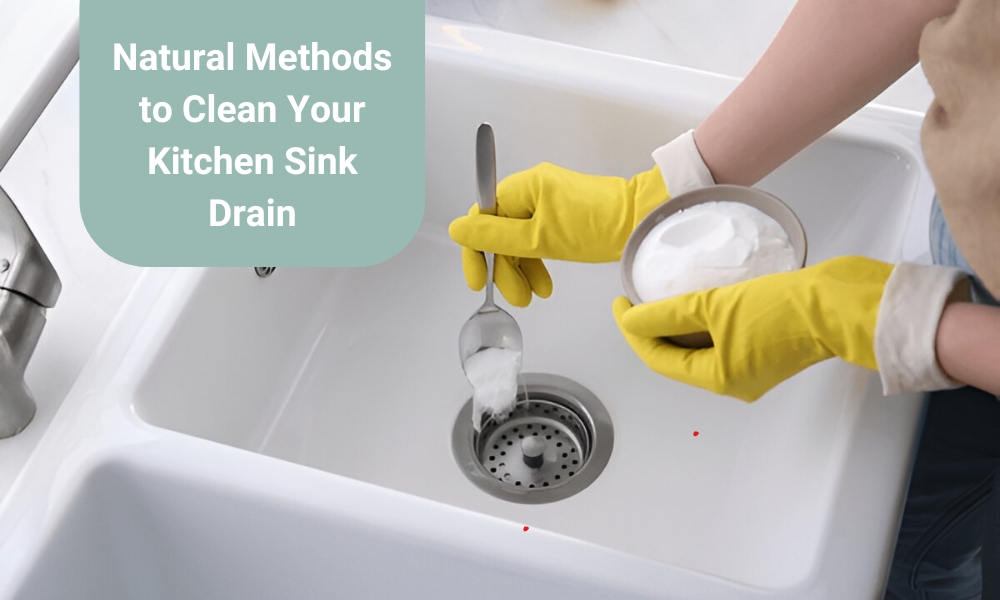
There are various methods used for cleaning sinks, but some have proven particularly effective. Among these methods is the use of a mixture of vinegar and baking soda, where vinegar dissolves grease while baking soda helps eliminate unpleasant odors. This method can be easily applied by pouring half a cup of baking soda into the sink, followed by half a cup of vinegar, and letting the mixture sit for 30 minutes before rinsing it with hot water.
Effective Cleaning Techniques
This method is considered natural and safe, as it does not contain harmful chemicals. This process can be repeated once a month to maintain sink cleanliness and prevent the accumulation of deposits. Additionally, an old toothbrush can be used to clean corners and hard-to-reach areas.
Other methods include using salt and lemon, where salt helps remove tough stains while lemon provides a fresh scent. You can mix a tablespoon of salt with the juice of one lemon, then scrub the sink with the mixture before rinsing it with water.
Background & Context
Home cleanliness is a fundamental aspect that affects overall health. Sinks, being among the most frequently used areas in kitchens and bathrooms, require special care to maintain their cleanliness. The accumulation of deposits can lead to health issues due to the growth of bacteria and germs, necessitating preventive measures.
Historically, people have used traditional methods to clean sinks, but with technological advancements, many chemical products have emerged promising quick solutions. However, many prefer to revert to natural methods that are considered safer and more effective.
Impact & Consequences
The impact of cleanliness on public health cannot be overlooked. Clean sinks contribute to reducing the chances of diseases caused by germs. Moreover, maintaining clean sinks reflects individuals' concern for the cleanliness of their homes, which contributes to improving quality of life.
Furthermore, sink cleanliness can affect kitchen work efficiency. A clean sink facilitates the washing of dishes and cooking, saving time and effort.
Regional Significance
In the Arab region, cleanliness is an integral part of daily culture. With increasing health awareness, many are striving to adopt natural and effective cleaning methods. This trend reflects a shift in thinking towards healthy and sustainable lifestyles.
These simple methods for cleaning sinks exemplify how quality of life can be improved through simple steps. It is important for individuals to adopt these practices to ensure a healthy and safe environment in their homes.
In conclusion, knowing how to clean sinks is essential for everyone. By following these tips, one can maintain sink cleanliness and avoid health issues associated with deposits.