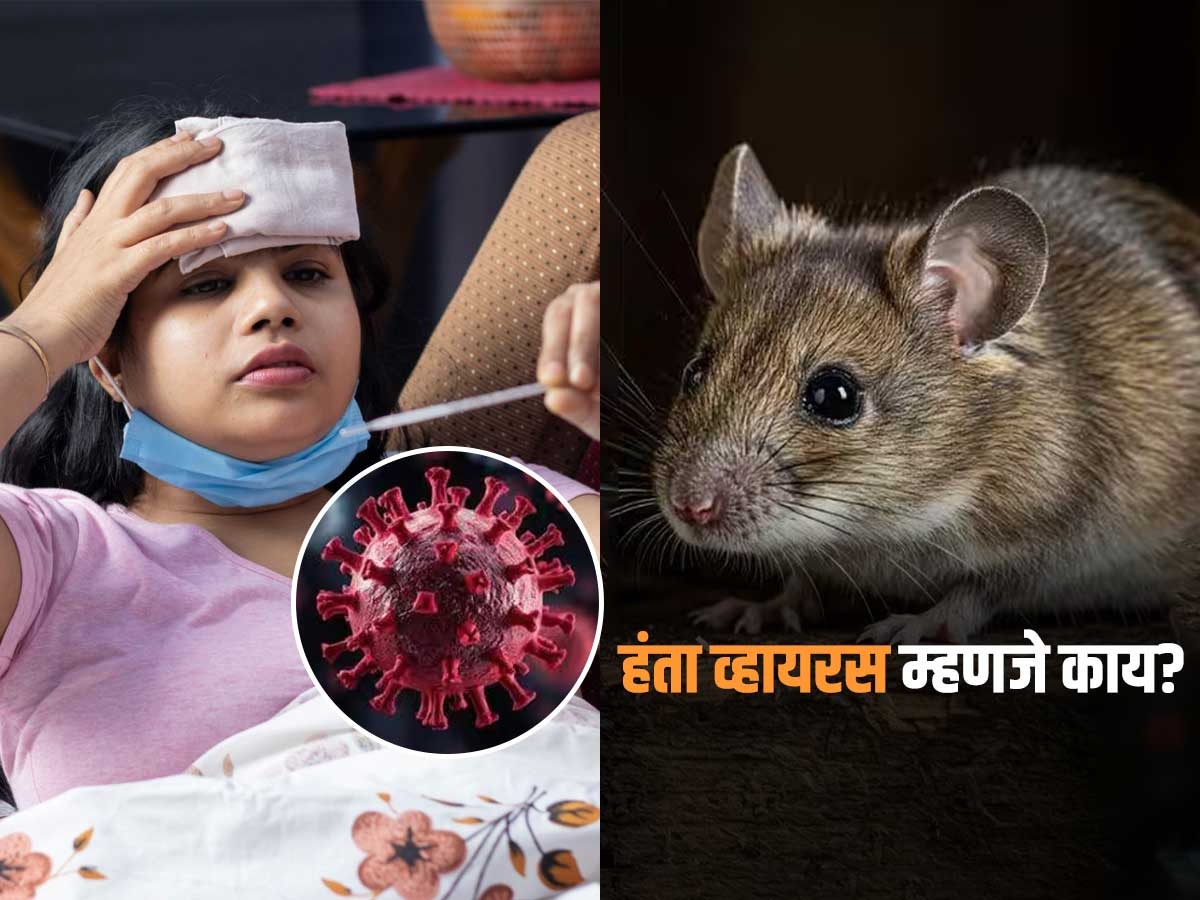
A Dutch scientist has revealed intriguing details regarding Hantavirus, having been identified as 'Patient Zero' following a visit to a waste dump teeming with rodents. These findings heighten fears about the virus's transmission and its implications for public health.
Hantavirus is a virus transmitted by rodents, known to cause severe illnesses, including Hantavirus pulmonary syndrome. Recently, this virus has sparked global concern, especially after studies indicated a correlation with rising human infection rates.
Details of the Incident
The unnamed Dutch scientist visited a waste dump in a rodent-infested area, where he was exposed to the virus. Upon his return, he exhibited symptoms similar to those caused by Hantavirus, prompting necessary tests that confirmed his infection. This case marks the first of its kind in the Netherlands, raising questions about how the virus might spread to new areas.
Rodents, particularly mice, are the primary carriers of the virus, with transmission to humans occurring through contact with urine, feces, or saliva. Research has shown that Hantavirus can be fatal in some cases, underscoring the importance of understanding its transmission pathways.
Background & Context
Hantavirus is not a new phenomenon; it was first identified in the United States in the 1980s. However, its emergence in new regions is concerning. In recent years, cases have been reported in several countries, indicating that the virus may be in a phase of expansion.
There are growing fears that climate change and the expansion of human activity may contribute to the increased spread of the virus. As natural habitats for rodents are destroyed, human interaction with these animals may rise, heightening the risk of virus transmission.
Impact & Consequences
This case serves as a wake-up call for health authorities worldwide. There must be a swift response to manage any new infection cases, along with increased awareness regarding prevention methods for the virus.
This situation also necessitates further research to better understand how the virus spreads and how to develop effective vaccines. Simultaneously, governments should implement measures to reduce rodent populations in urban areas.
Regional Significance
Although Hantavirus has not been significantly recorded in Arab countries, this case raises concerns about the potential for the virus to spread to the region. Arab nations must be prepared to face any new health threats, especially with increasing travel and trade activities.
In conclusion, it is crucial for everyone to be aware of the potential risks posed by Hantavirus and to take necessary precautions to protect their health and the health of their communities.