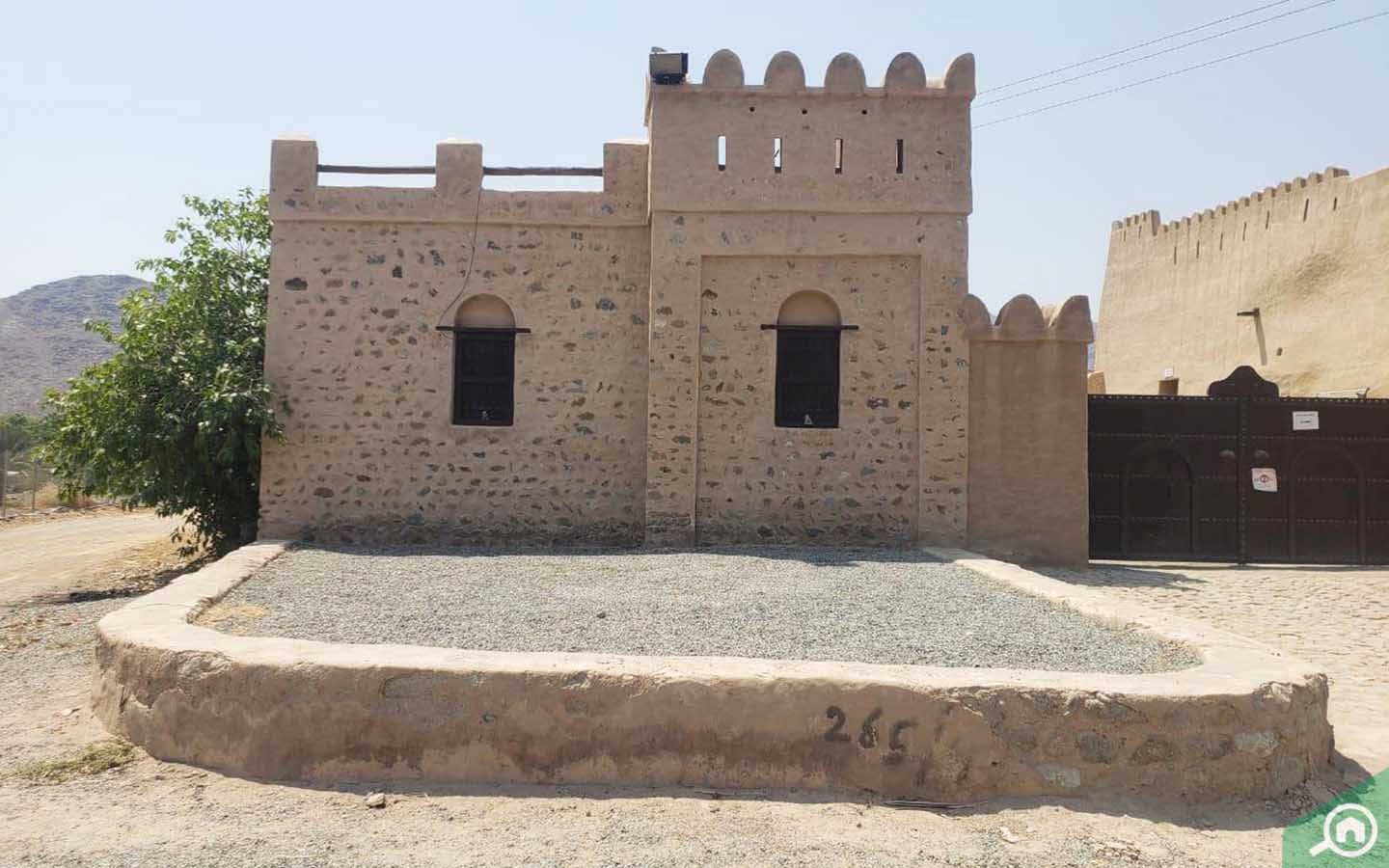
Al-Bithnah Castle in Fujairah is one of the most significant historical landmarks in the United Arab Emirates. This castle reflects the region's rich cultural heritage and long history. It is located in a strategic position, having been used as a defensive fortress to protect the area from invasions, making it a witness to the historical events that the Emirates have experienced.
The castle is distinguished by its unique architectural design, built from limestone and clay, reflecting the traditional building methods of that time. It features towers and wide corridors, allowing visitors to explore its magnificent architectural details. The castle has also been well restored, making it a unique tourist destination for visitors from around the world.
Event Details
Al-Bithnah Castle boasts a unique geographical location, overlooking the Al-Bithnah Valley and surrounded by stunning natural landscapes. The castle represents a part of the UAE's cultural heritage, having been included in the list of protected historical landmarks. The UAE government aims to preserve these historical sites and enhance cultural awareness among new generations.
The castle also serves as a center for cultural and artistic activities, hosting numerous events and festivals that reflect Emirati heritage. It provides visitors with the opportunity to learn about the region's history and culture through exhibitions and educational activities organized within its walls.
Background & Context
The history of Al-Bithnah Castle dates back to the 17th century when it was used as a fortress to protect the area from invasions. Over the years, the castle has undergone many changes and renovations, contributing to the preservation of its historical identity. The castle symbolizes resilience and strength, reflecting the history of the UAE in facing challenges.
The significance of the castle comes in the context of ongoing efforts to preserve cultural heritage in the UAE. The UAE government seeks to promote cultural tourism by developing historical landmarks, which contributes to enhancing national identity and increasing cultural awareness among citizens and visitors.
Impact & Consequences
Al-Bithnah Castle contributes to enhancing cultural tourism in Fujairah, attracting visitors from all over the world. The castle is a major attraction for those interested in history and heritage, boosting the local economy by increasing the number of visitors and investors in the tourism sector.
The castle also plays an important role in promoting Emirati cultural identity, helping to raise awareness about the region's history and heritage. Through cultural events organized within the castle, visitors can learn about Emirati customs and traditions, fostering communication between different cultures.
Regional Significance
Al-Bithnah Castle serves as a model for preserving cultural heritage in the Arab region. The castle reflects the importance of maintaining historical landmarks as part of nations' cultural identity. By promoting cultural tourism, Arab countries can benefit from similar experiences to enhance cultural heritage and increase awareness among new generations.
In conclusion, Al-Bithnah Castle in Fujairah is an important historical and cultural symbol, reflecting the rich heritage of the UAE. By preserving these historical landmarks, national identity can be strengthened, and cultural tourism can be promoted in the region.