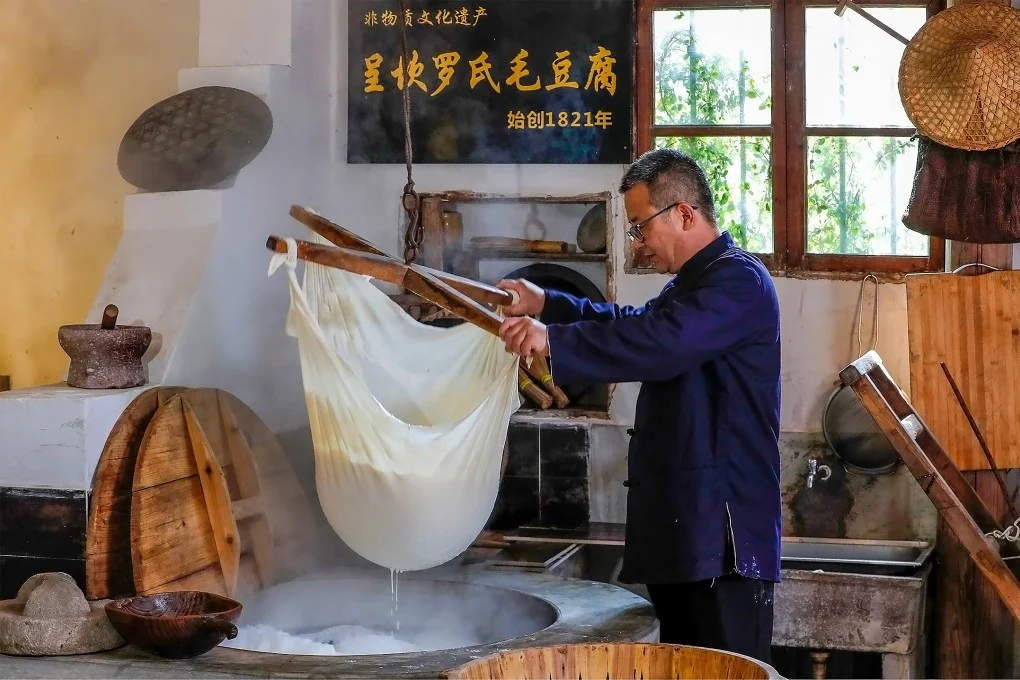
Tofu is considered a simple food that carries deep cultural meanings in China. Its origin traces back to King Liu An of the Western Han dynasty (206 BC - 9 AD), who was fascinated by the idea of seeking immortality. According to legend, Liu An gathered a group of chemists on a mountain in Anhui Province, where they experimented with spring water, soybeans, and gypsum in an attempt to create an elixir of life. However, what resulted from those experiments was tofu, which later became a symbol of Chinese culture.
Historically, tofu has been associated with traditional Chinese cooking, where it has been used in a variety of dishes. Tofu is a rich source of protein, making it a popular choice among vegetarians. It also has the ability to absorb flavors from other ingredients, making it a staple in many Chinese recipes.
The Story of Tofu
The story of tofu dates back over two thousand years and has been documented in many ancient texts. It is believed that tofu spread from China to other Asian countries, such as Japan and Korea, where it was adapted to local cuisines. Today, tofu is an integral part of Asian cuisine, used in a wide range of dishes, from soups to main courses.
In modern times, tofu has gained immense popularity worldwide, being recognized as a healthy and nutritious option. With the increasing awareness of the benefits of plant-based foods, tofu has become part of the diet for many people looking to reduce their meat consumption.
Context and Background
The history of tofu reflects the evolution of Chinese cuisine and its influence on other cultures. In ancient times, tofu was considered food for the poor, but over time, it has come to be regarded as a delicacy served on special occasions. Tofu also carries spiritual significance in Chinese culture, symbolizing peace and balance.
Today, there are many types of tofu, including soft and firm tofu, each with its specific culinary uses. There are also various methods of preparation, allowing people to explore different flavors and textures.
Implications and Impact
Tofu exemplifies how food culture influences daily life. With the growing interest in healthy eating, tofu has become a preferred choice for many individuals striving to maintain a balanced diet. Additionally, tofu is considered a sustainable alternative to meat, contributing to reducing the environmental impact of meat production.
The impact of tofu extends to the economy, as the tofu industry has become an important part of China's agricultural economy. Tofu is exported to many countries, enhancing China's status as a major source of plant-based foods.
Significance in the Arab Region
Although tofu is not a traditional part of Arab cuisine, there is a growing interest in healthy and plant-based foods in Arab countries. With the increasing awareness of the benefits of plant-based foods, tofu could become a popular choice in Arab kitchens, especially among young people seeking to adopt healthier lifestyles.
In conclusion, tofu represents more than just food; it is a cultural symbol with a rich history that reflects shifts in lifestyle patterns. As interest in healthy eating continues to rise, tofu may continue to grow as a preferred food choice worldwide.