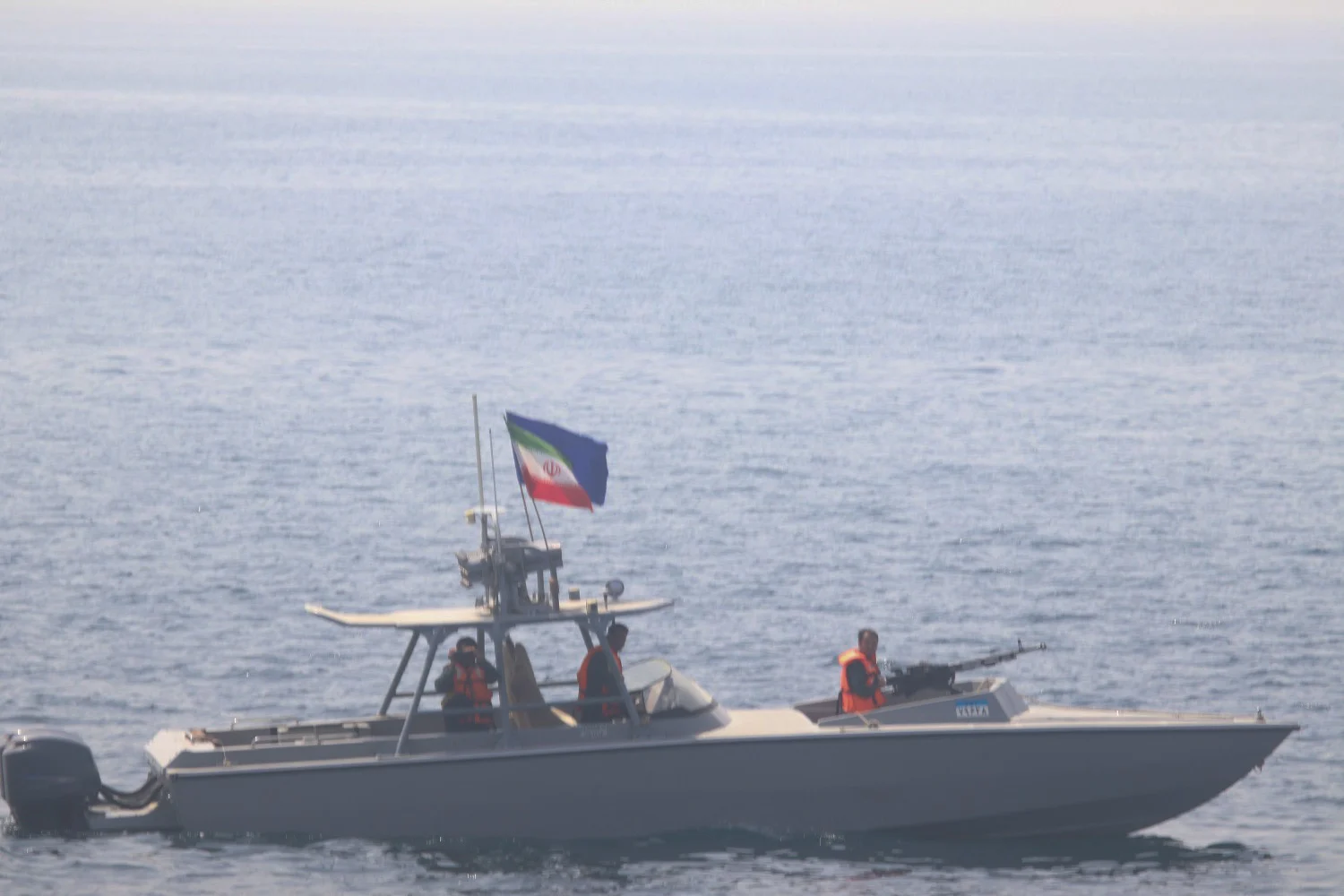
Human remains were discovered inside the Thai cargo ship that was targeted in an Iranian attack in the Strait of Hormuz, shining a light on the rising tensions in this critical region. The attack, which occurred earlier this week, has raised international concerns regarding the safety of maritime navigation in one of the world's busiest waterways.
The Strait of Hormuz is a vital transit point for oil and natural gas, with approximately 20% of the world's total oil passing through it. The Iranian attack on the Thai ship comes amid escalating tensions between Iran and the United States, alongside ongoing regional disputes.
Details of the Incident
The Thai ship, which was en route to a port in the Gulf, was struck by a missile attack, resulting in significant damage to its structure. Following the attack, rescue teams were dispatched to the site, where human remains were found, raising questions about the potential number of victims. Thai authorities have initiated an investigation into the incident, in collaboration with international maritime authorities.
This attack is not the first of its kind in the region, as recent years have seen a series of assaults on commercial vessels, heightening fears of deteriorating maritime security. Previous attacks have also targeted ships flying flags of other nations, complicating the situation further.
Background & Context
Historically, the Strait of Hormuz has witnessed recurring tensions between Iran and Western nations, particularly the United States. In recent years, Iran has taken escalatory steps, including threats to close the strait if its interests are jeopardized. These tensions often escalate during times of political crises, making the region a focal point for geopolitical strife.
Concerns are growing that attacks on commercial vessels could provoke military responses from the involved nations, potentially dragging the region into a broader conflict. In this context, major powers are seeking to bolster their military presence in the area to ensure navigational safety.
Impact & Consequences
The attack on the Thai ship could have far-reaching implications for maritime security in the region. It is likely to lead to increased insurance costs for commercial vessels, which could raise transportation expenses and impact global oil prices. Additionally, it may prompt enhanced military cooperation among the concerned nations to ensure navigational safety.
Furthermore, this incident could escalate tensions between Iran and Western nations, increasing the likelihood of military conflicts. The international response to this attack will play a crucial role in determining how the situation evolves in the region.
Regional Significance
The Arab nations neighboring the Strait of Hormuz are directly affected by the tensions in the area. Any escalation in the situation could impact the economies of these countries, particularly those reliant on oil exports. Maritime security is also vital for Arab states seeking to maintain their economic and political stability.
In light of these circumstances, Arab nations must take proactive measures to ensure the safety of navigation in their territorial waters and enhance cooperation with international powers to secure maritime safety.