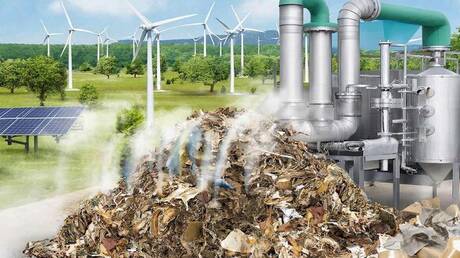
Scientists in South Korea have made remarkable progress in the field of sustainable energy by developing a low-cost, long-lasting catalyst based on copper and cobalt oxides. This catalyst allows for the extraction of hydrogen and valuable chemicals from glycerin, a byproduct of biofuel waste.
This new technology presents a potential alternative to traditional hydrogen extraction processes, which often require costly and complex resources. The developed catalyst can help reduce costs and increase efficiency in hydrogen production, making it an attractive option for the chemical industries.
Details of the Discovery
The researchers explained that the new catalyst is characterized by its ability to operate efficiently under various conditions, making it suitable for use in a wide range of industrial applications. The design relies on the use of copper and cobalt oxides, which are abundantly available, contributing to lowering the overall production costs.
The catalyst has been tested under laboratory conditions, showing a high capacity to convert glycerin into hydrogen and other valuable chemicals. This development is a significant achievement in scientific research, as scientists strive to find sustainable solutions to energy problems.
Background & Context
There is an increasing need for alternative and sustainable energy sources in light of the environmental and economic challenges facing the world. Hydrogen is considered one of the promising solutions, as it can be used as a clean fuel in various applications, including electric vehicles and power plants.
Many countries, including South Korea, are seeking to enhance their investments in renewable energy technologies. This discovery aligns with South Korea's efforts to achieve its goals of reducing carbon emissions and promoting environmental sustainability.
Impact & Consequences
This discovery could have a significant impact on the energy industry, providing a cost-effective alternative for hydrogen extraction. If this technology is widely applied, it could lead to a substantial reduction in hydrogen production costs, thereby enhancing its use across various industries.
Moreover, this development can contribute to achieving sustainable development goals, as the world seeks to reduce reliance on fossil fuels and improve resource efficiency. Utilizing glycerin, a byproduct, also reflects the importance of waste reuse in achieving sustainability.
Regional Significance
In light of the environmental challenges facing Arab countries, this discovery could have a positive impact on their efforts in sustainable energy. Many Arab nations are striving to diversify their energy sources and reduce reliance on fossil fuels.
This new technology could encourage Arab countries to invest more in renewable energy research, contributing to sustainable development and enhancing their capacity to address environmental challenges.
In conclusion, this discovery represents an important step towards achieving a more sustainable future in the energy sector. As research and development continue, we may witness a significant transformation in how hydrogen and valuable chemicals are produced and utilized.