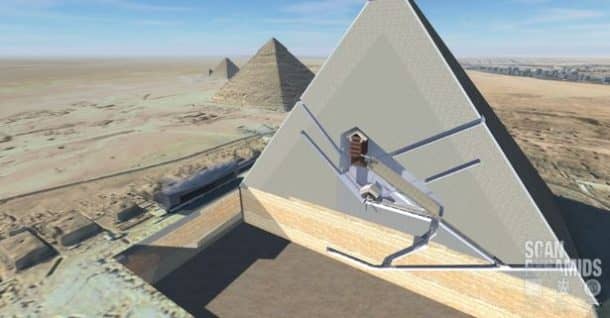
Recent discoveries in the Pyramids of Giza have puzzled scientists, as secret rooms previously unknown have been found. These rooms, identified using modern scanning techniques, may hold new secrets about the construction of the pyramids and their use in ancient times.
The Pyramids of Giza, located on the outskirts of Cairo, are one of the Seven Wonders of the World and have been studied for decades. However, these new discoveries open new horizons for understanding the history of these archaeological sites.
Details of the Discovery
A team of archaeologists employed advanced techniques such as infrared imaging and electromagnetic sensors to reveal these rooms. The results showed voids within the pyramids, indicating the potential existence of additional undiscovered chambers.
Researchers believe that these rooms may be related to religious or funerary purposes, reflecting the cultural practices of the ancient Egyptians. Furthermore, these discoveries could help explain some of the mysteries surrounding the construction of the pyramids.
Background & Context
The history of the Pyramids of Giza dates back over 4500 years, constructed during the reign of the pharaohs. These pyramids symbolize ancient Egyptian civilization and have attracted the interest of both scholars and tourists alike. With advancements in technology, it has become possible to use new methods to uncover the secrets of these monuments.
Over the years, numerous studies have been conducted on the pyramids, but these recent discoveries represent a new step toward a deeper understanding of their history. The presence of secret rooms may suggest that there are more secrets still hidden beneath the sands.
Impact & Consequences
These discoveries could lead to a reevaluation of how we understand ancient Egyptian civilization. If the existence of additional chambers is confirmed, it may require a reconsideration of current theories regarding the construction and use of the pyramids.
Moreover, these discoveries could boost tourism in the area, attracting more visitors interested in history and archaeology. The increased interest may also lead to further investments in archaeological research.
Regional Significance
The Pyramids of Giza are part of the Arab cultural heritage and contribute to the cultural identity of the region. The new discoveries may inspire other Arab countries to explore their cultural heritage and history.
In light of the challenges facing the region, these discoveries can serve as a reminder of the importance of preserving cultural and historical heritage. They also reflect the ability of Arabs to innovate and use technology in studying their history.
In conclusion, the new discoveries in the Pyramids of Giza are not merely additional information; they represent an opportunity for a deeper understanding of the history of ancient Egyptian civilization. As research continues, we may uncover more secrets that take us back to earlier times.