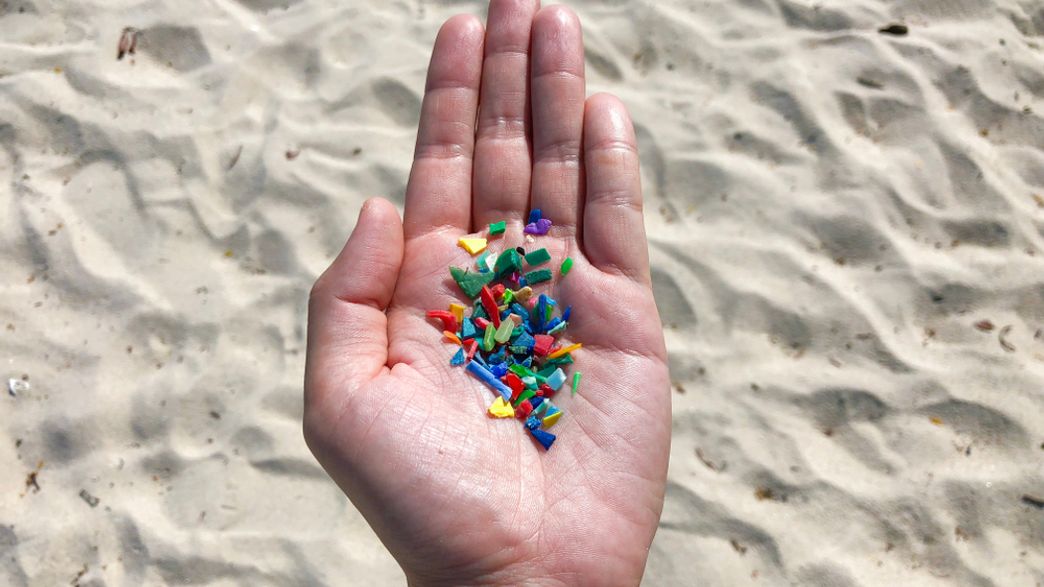
Indonesia's Indonesian Pediatric Association has announced alarming findings indicating the presence of plastic waste in children's stool, underscoring the environmental pollution crisis the country is facing. These results emerge amid rising concerns about the impact of pollution on children's health, who are among the most vulnerable populations.
Studies suggest that these plastic particles can adversely affect children's health, raising concerns among doctors and researchers. This research is part of broader efforts to understand the extent of environmental pollution's impact on the health of future generations.
Details of the Findings
These findings were revealed during a press conference held by the association, where data was presented showing how children in Indonesia are exposed to high levels of plastic pollution. Studies have shown that these particles can enter a child's body through food and water, increasing the risk of various health issues.
Doctors also pointed out that this plastic waste could lead to gastrointestinal problems, along with potential negative effects on growth and development. These results raise alarms about the urgent need for action to reduce pollution in the country.
Background & Context
Indonesia is considered one of the largest exporters of plastic waste in the world, significantly contributing to ocean pollution. In recent years, concerns have grown regarding the impact of this pollution on the environment and human health. Previous studies have shown that plastic pollution affects marine life, negatively impacting communities that rely on fishing.
Historically, Indonesia has faced significant environmental challenges, but with increasing public awareness, the government has begun to take steps to improve the situation. However, there remains an urgent need for more efforts to address this crisis.
Impact & Consequences
Plastic pollution in children can have far-reaching effects on public health. Research indicates that continuous exposure to these materials can lead to an increase in chronic diseases, placing additional pressure on the country's healthcare system. This issue may also impact the national economy, potentially leading to increased healthcare costs.
Moreover, these findings could influence environmental policies in Indonesia, prompting the government to take stricter measures to reduce plastic use and promote environmental sustainability.
Regional Significance
This issue highlights the environmental pollution crisis and its impact on children's health, necessitating an urgent response from the government and society. The urgency of these findings calls for effective steps to combat environmental pollution, which is not only a local issue but a global concern.
In conclusion, the discovery of plastic particles in children's stool serves as a wake-up call for Indonesia to intensify its efforts in addressing pollution and protecting the health of its younger generations.