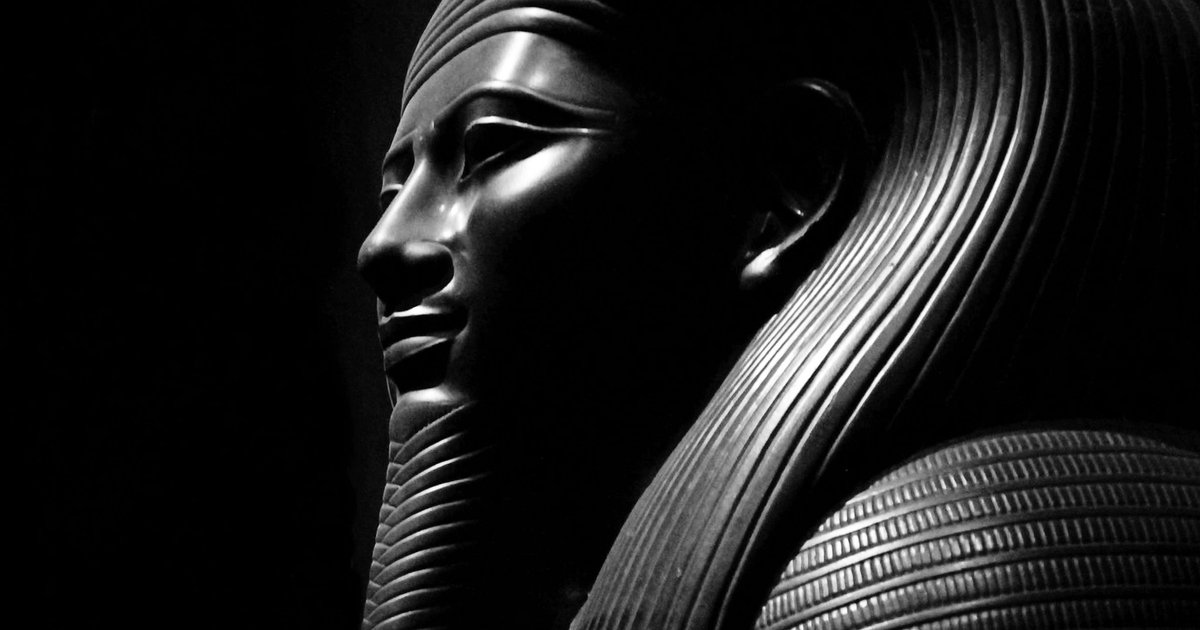
Rare inscriptions on a statue from the reign of King Amenhotep III unveil details about the life of a prominent administrator and his relationship with the royal family, highlighting aspects of ancient Egyptian history. These inscriptions, discovered at an archaeological site, provide unique glimpses into the political and social life of that period.
Amenhotep III, who ruled Egypt from 1391 to 1353 BCE, is considered one of the greatest pharaohs in Egyptian history. He is known for a period of cultural and artistic prosperity, during which Egypt witnessed significant developments in arts and architecture. The new inscriptions reflect how administrators at that time played a vital role in managing state affairs and fostering relationships with the royal family.
Details of the Discovery
The discovered inscriptions reveal intricate details about the administrator's life, including his name and positions, as well as his relationships with members of the royal family. This discovery serves as a window into how the ancient Egyptian government was organized and how officials interacted with the king.
The inscriptions also include scenes depicting the daily activities of the administrator, helping researchers gain a better understanding of daily life during that era. This information is highly valuable, as it contributes to reconstructing a clearer picture of life in ancient Egypt.
Background & Context
The history of ancient Egypt is filled with mysteries and exciting events. During the reign of Amenhotep III, the country experienced a flourishing of arts and architecture, with many temples and statues built that are still regarded as some of the greatest artistic achievements. This new discovery comes at a time when archaeology is seeing increased interest in understanding ancient Egyptian civilization.
Historically, Amenhotep III was known for his strong relationships with neighboring countries, establishing political alliances through marriage and trade. The new inscriptions may shed light on how these relationships were managed by administrators during that period.
Impact & Consequences
This discovery could change our understanding of ancient Egyptian history, as it shows how administration functioned under a strong rule. The inscriptions also reflect the importance of administrators in promoting political and economic stability, which may lead to a reevaluation of their role in history.
Furthermore, this discovery could open new avenues for research into the history of relations between Egypt and neighboring countries, enhancing the general understanding of international relations during that time.
Regional Significance
The history of ancient Egypt has a significant impact on culture and civilization in the Arab region. Archaeological discoveries like this enhance the shared cultural identity among Arab countries, demonstrating how ancient civilizations interacted and exchanged knowledge.
These discoveries are also a source of pride for the region, highlighting the richness of the cultural and historical heritage it possesses. By understanding our history, we can strengthen cultural ties between Arab nations.
The new inscriptions discovered represent an important step in understanding ancient Egyptian history, shedding light on the role of administrators in fostering relationships with the royal family. These discoveries are not merely artifacts; they are keys to understanding a rich and complex civilization.