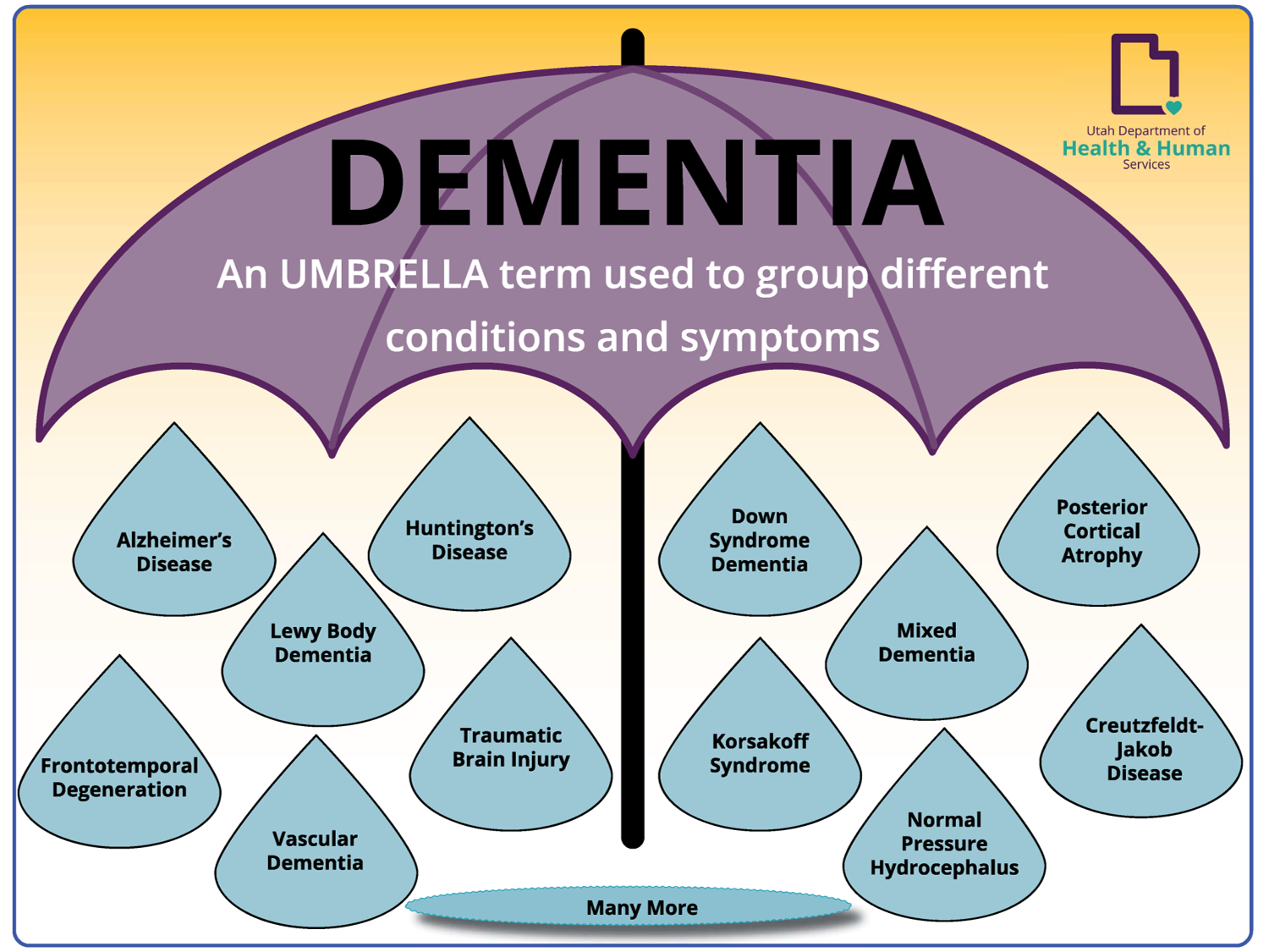
Dementia is a complex condition that extends beyond mere memory loss. Research reveals four rare types of dementia that do not primarily involve memory, highlighting the diverse symptoms and challenges faced by those affected. These types include frontotemporal dementia, Lewy body dementia, vascular dementia, and Huntington's disease dementia.
Frontotemporal dementia, for example, primarily affects behavior and personality, leading to noticeable changes in how a person acts and interacts with others. Meanwhile, Lewy body dementia is associated with the accumulation of abnormal proteins in the brain, causing severe fluctuations in mood and awareness.
Details of the Rare Types of Dementia
These types of dementia are relatively rare; however, they pose significant challenges for patients and their families. While most people focus on memory loss as a key sign of dementia, these rare types demonstrate that symptoms can be much more complex. For instance, patients may experience difficulties with movement or balance, increasing the risk of falls and injuries.
It is crucial to recognize these rare types of dementia early, as this can help improve the quality of life for patients by providing appropriate support and treatment. Additionally, raising awareness about these types can help reduce the stigma associated with dementia in general.
Background & Context
Historically, dementia has been viewed as a disease associated with aging, but recent research suggests that there are genetic and environmental factors that play a role in the development of these rare types. For example, Huntington's disease dementia is believed to have genetic roots, as it is passed down through generations in families.
The number of individuals affected by dementia is increasing worldwide, necessitating a deeper understanding of this disease and its diverse symptoms. According to the World Health Organization, the number of people with dementia is expected to double by 2030, making it essential to develop effective strategies for diagnosis and treatment.
Impact & Consequences
The impact of dementia on individuals and their families can be devastating. In addition to physical and mental symptoms, many patients suffer from social isolation and loss of identity. This situation calls for ongoing psychological and social support.
Moreover, the economic costs associated with dementia represent a significant burden on healthcare systems. Continuous care for patients requires substantial financial and human resources, necessitating greater investment in research and treatment.
Regional Significance
In the Arab region, mental health issues, including dementia, are still considered taboos. Symptoms are often overlooked or confused with normal signs of aging. Therefore, increasing awareness about these rare types of dementia can help improve diagnosis and treatment in Arab communities.
It is important for governments and non-governmental organizations to adopt awareness and educational programs aimed at breaking the stigma associated with dementia and enhancing public understanding of this disease. Additionally, necessary support should be provided to patients and their families to help them cope with daily challenges.