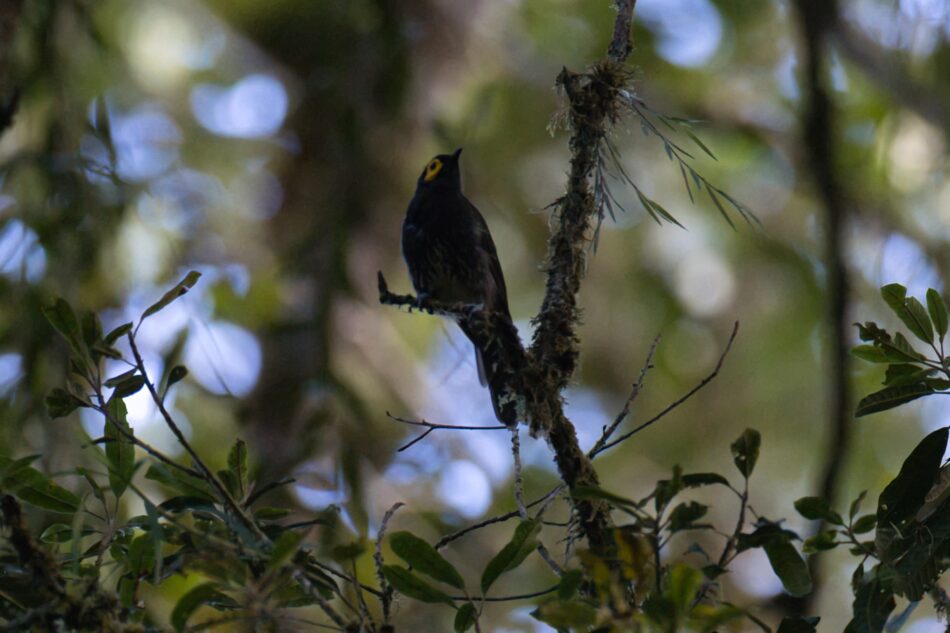
In the forests of the Arfak Mountains in West Papua, the Parotia sefilata performs stunning dances to attract females. These rare birds showcase the beauty of biodiversity in the region. The bird is distinguished by its vibrant colors and graceful movements, making it a focal point for researchers and nature enthusiasts.
The Parotia sefilata inhabits tropical forest environments, typically found in elevated mountainous areas. During the mating season, these birds exhibit unique behaviors, with males performing complex dances that include rapid movements and color changes to entice females. These displays not only serve as a means of attracting a mate but also reflect the health and vitality of the bird.
Event Details
The Parotia sefilata is part of the family of dancing birds, renowned for their mesmerizing performances that captivate researchers and wildlife lovers alike. The male is characterized by its bright colors, featuring glossy black feathers with splashes of vivid hues, allowing it to stand out in its natural habitat. During the displays, the male expertly alters its postures and movements, creating an illusion of dance.
These birds are found in specific areas of West Papua, favoring dense forests that provide them with shelter and food. The mating season is the most active time for these birds, as males compete to attract females through their astonishing performances.
Background & Context
West Papua is home to numerous unique species of birds and animals, showcasing significant biological diversity. Historically, this region has been recognized for its ecological variety, making it a preferred destination for researchers and biologists. Preserving these rare species is crucial for maintaining ecological balance in the area.
These birds face significant challenges due to environmental changes and habitat loss. Human activities such as deforestation and urban expansion are factors threatening the survival of these species. Therefore, efforts to protect these birds and their habitats are vital for preserving biodiversity in West Papua.
Impact & Consequences
The displays of the Parotia sefilata highlight the importance of biodiversity in maintaining ecological balance. The loss of these species could lead to negative impacts on the entire ecosystem, as each species plays a crucial role in sustaining environmental stability. Thus, raising awareness about the importance of these birds and their protection is essential.
These performances also present an opportunity to promote eco-tourism in the region, allowing visitors to enjoy observing these unique birds in their natural environment. Eco-tourism can contribute to supporting the local economy and enhancing efforts to protect the environment.
Regional Significance
Protecting biodiversity is a global issue that affects all regions, including the Arab world. Arab countries can benefit from the experiences of West Papua in conserving rare species and promoting eco-tourism. Raising awareness about the importance of biodiversity can contribute to environmental conservation efforts in the Arab region.
In conclusion, the Parotia sefilata symbolizes the beauty of biodiversity in West Papua and underscores the importance of conserving these species for the future of the environment. Efforts to protect these birds can enhance environmental awareness and develop eco-tourism in the region.