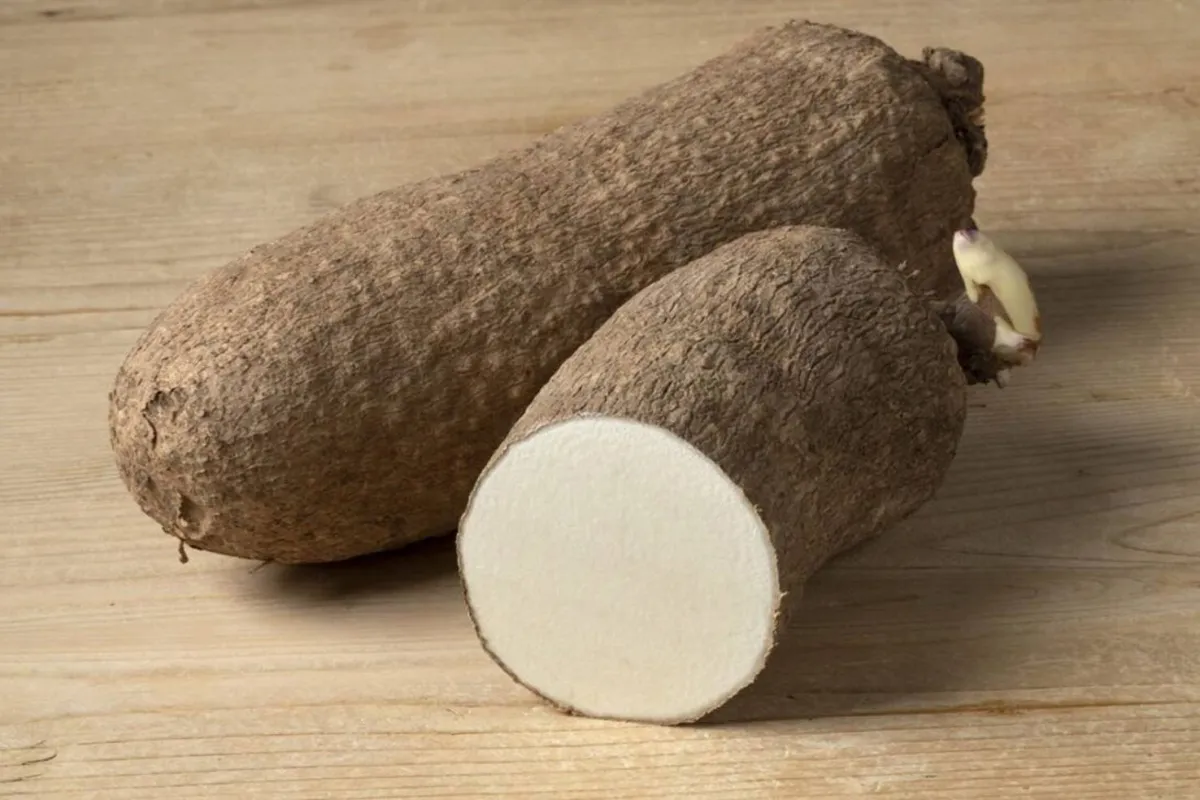
The popularity of the yam, considered a superfood, is on the rise in American grocery stores, where it is used in a variety of dishes such as Caribbean stews and the fufu dish in West Africa. Recent scientific research reveals compounds in yam that may positively affect how the body handles sugar, along with potential benefits for brain protection.
Although claims about yam being a superfood are still under investigation, preliminary studies, including a small clinical trial, suggest that some yam extracts may improve aspects of thinking and memory. Other studies indicate the possibility of improved blood sugar control under certain conditions.
Event Details
In the United States, the term "yam" is often used to refer to sweet potatoes with orange flesh, which is a completely different plant from true yams that belong to the Dioscorea family. True yams are characterized by their rough skin and starchier flesh. According to the USDA Food Data Center, a 3.5-ounce serving of raw yam contains 118 calories, 28 grams of carbohydrates, 4.1 grams of fiber, and 1.5 grams of protein.
Yams are rich in potassium, containing 816 milligrams per 3.5 ounces, along with Vitamin C and Vitamin B6, making them more than just a cheap source of carbohydrates in the diet. Potassium is linked to blood pressure regulation, while Vitamin C supports immune functions.
Background & Context
The yam tuber is part of the culinary heritage in many cultures, used in traditional dishes in the Caribbean and West Africa. With the growing interest in healthy diets, scientific research has begun to highlight the potential health benefits of yam, enhancing its status as a superfood.
In recent years, research related to yam has seen increased interest, with some studies confirming its benefits in improving blood sugar levels and enhancing memory. However, there remains a need for further studies to confirm these benefits.
Impact & Consequences
Research suggests that incorporating yam into the diet may have a positive impact on overall health, especially for individuals with blood sugar level issues. The potential benefits in memory enhancement may also make yam an attractive option for the elderly.
As demand for yam in American markets increases, this may lead to expanded cultivation of this crop in new areas, contributing to the economic development of yam-producing countries.
Regional Significance
Although yam is not a traditional part of Arab cuisine, the growing interest in its health benefits may prompt some Arab countries to import or cultivate it locally. This could contribute to enhancing dietary diversity and improving public health in the region.
In conclusion, yam represents a starchy tuber rich in potential health benefits and appears to be gaining increasing popularity in global markets. As research continues, it may become an important part of healthy diets in the future.