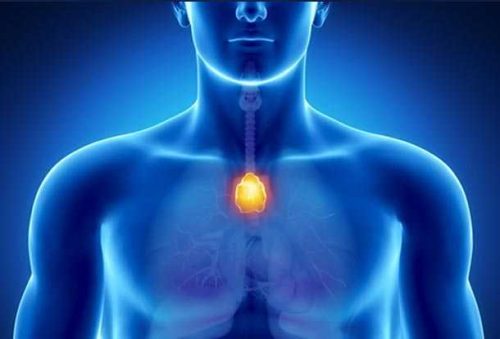
Recent studies have revealed the thymus gland, an organ located in the chest area, which plays a vital role in enhancing the human immune system. This discovery opens new horizons in understanding how the human body works and may change treatment methods for many diseases.
The thymus gland, which has long been considered an unimportant organ, has been shown by recent studies to play a fundamental role in the development of immune cells. It is responsible for producing T-cells, which are a vital part of the immune system, making it essential in combating infections and diseases.
Event Details
Research has shown that the thymus gland begins to shrink after puberty, leading to a decrease in T-cell production. This shrinkage may have negative effects on the body's ability to fight diseases, explaining some cases of immune deficiency in the elderly.
The thymus gland is located behind the breastbone and is part of the lymphatic system. Studies have indicated that enhancing the health of this gland can lead to improved immune responses, thereby reducing the risk of diseases.
Background & Context
Historically, the thymus gland was considered a secondary organ, but with the advancement of scientific research, scientists have begun to reevaluate its role. In recent years, numerous studies have highlighted the importance of the thymus gland in public health.
These discoveries are part of a broader trend in modern medicine, where there is a focus on understanding organs and systems that were previously deemed unimportant. This shift in thinking could lead to the development of new and effective treatments for many diseases.
Impact & Consequences
Discoveries related to the thymus gland could have significant impacts on how diseases are treated. For instance, enhancing the health of the thymus gland may improve outcomes for patients suffering from autoimmune diseases, such as lupus and multiple sclerosis.
Moreover, understanding the role of the thymus gland could contribute to the development of more effective vaccines, as this gland can be targeted to better enhance immune responses.
Regional Significance
In the Arab region, where rates of autoimmune diseases are increasing, this discovery could have a significant impact on public health. Promoting research on the thymus gland may lead to improved prevention and treatment strategies, contributing to reducing the health burden on healthcare systems in Arab countries.
In conclusion, the discovery of the thymus gland and its important role in enhancing immunity reshapes our concepts of health. It is crucial that research continues in this field to understand more about how to improve human health by enhancing the functions of this gland.