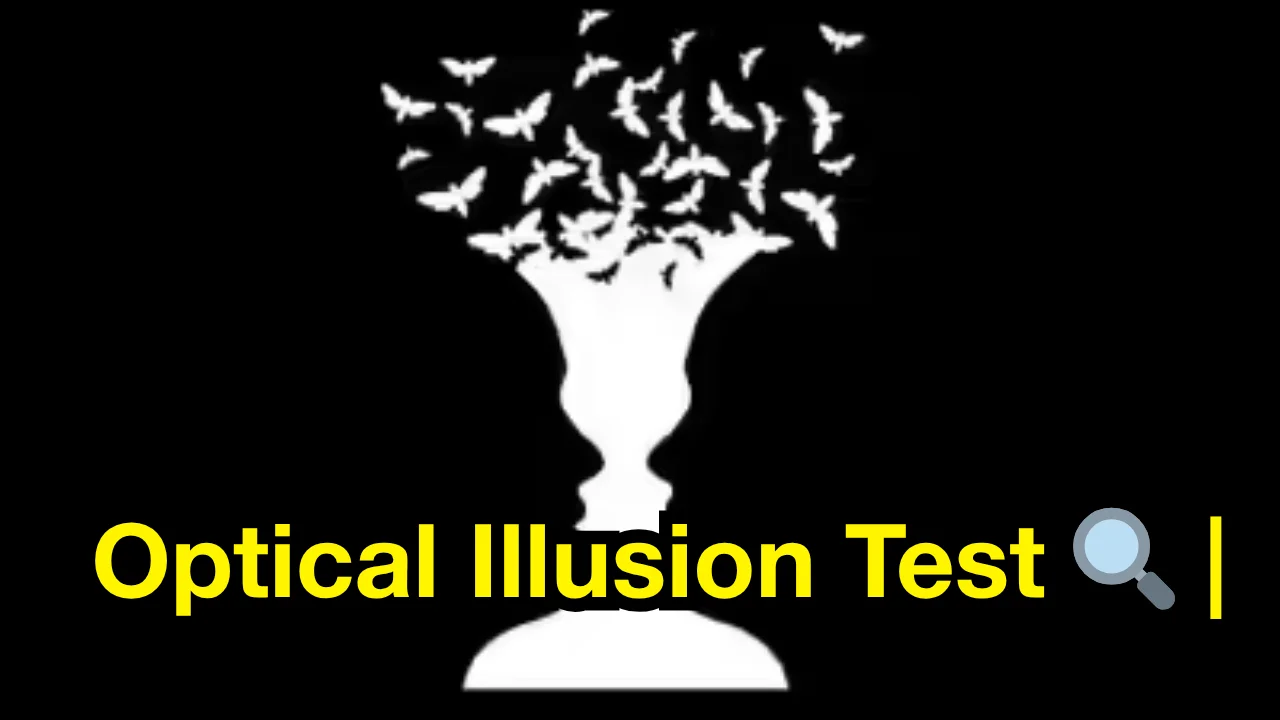
Optical illusions are fascinating tools for understanding human psychology, as they can reveal hidden aspects of our personalities. In this context, the butterfly or faces test stands out as one of the most prominent tools, presenting an image that can be interpreted in multiple ways, allowing individuals to discover keys to their personality.
When looking at this image, some may see a butterfly, while others might perceive two faces or a point. This difference in perception is not merely coincidental; it reflects deep psychological traits. For instance, those who see the butterfly may be more inclined towards creativity and optimism, while those who see the faces might be more analytical and objective.
Details of the Optical Illusion Test
The interpretations of this optical illusion are numerous, with each interpretation serving as a window into an individual's character. People who tend to see the butterfly may have the ability to appreciate beauty in small details, while those who see the faces may be more aware of life's conflicts and challenges. This test is not just for entertainment; it can be a useful tool for self-understanding and improving personal relationships.
The popularity of such tests is increasing in the age of social media, where people share their results and exchange views on what these insights mean for them. This interaction enhances the sense of belonging and encourages discussions about personality and identity.
Background & Context
Historically, optical illusions have been used in art and design to challenge viewers' perceptions. With the evolution of psychology, researchers began using these tools to understand individual behaviors. Optical illusions are considered effective tools in psychology, as they can reveal how the brain processes information and how this affects individuals' actions.
Numerous studies link optical illusions to personality traits, showing that the way individuals perceive images can reflect traits such as openness, conscientiousness, and agreeableness. These findings open new avenues for understanding human psychology and developing strategies to improve mental health.
Impact & Consequences
Optical illusions can have positive effects on mental health, helping individuals explore their feelings and thoughts in new ways. This type of test can enhance self-awareness and encourage critical thinking, aiding individuals in improving their personal and professional relationships.
Moreover, these types of tests can foster communication among individuals, as they can open discussions about personality and help in understanding differences between people. This mutual understanding can contribute to building healthier and more balanced relationships.
Regional Significance
In the Arab region, the importance of psychological awareness and personal understanding is increasing in light of social and economic challenges. Using optical illusions as a tool for understanding personality can have a positive impact on communities, helping individuals cope with daily pressures and challenges.
Additionally, these types of tests can contribute to enhancing psychological culture in Arab communities, helping to reduce the stigma associated with mental health and encouraging open dialogue about psychological issues.
In conclusion, the butterfly or faces test represents more than just an optical illusion; it is a valuable tool for self-understanding and enhancing personal awareness. In a complex world, these tools can serve as a gateway to exploring the depths of human psychology.