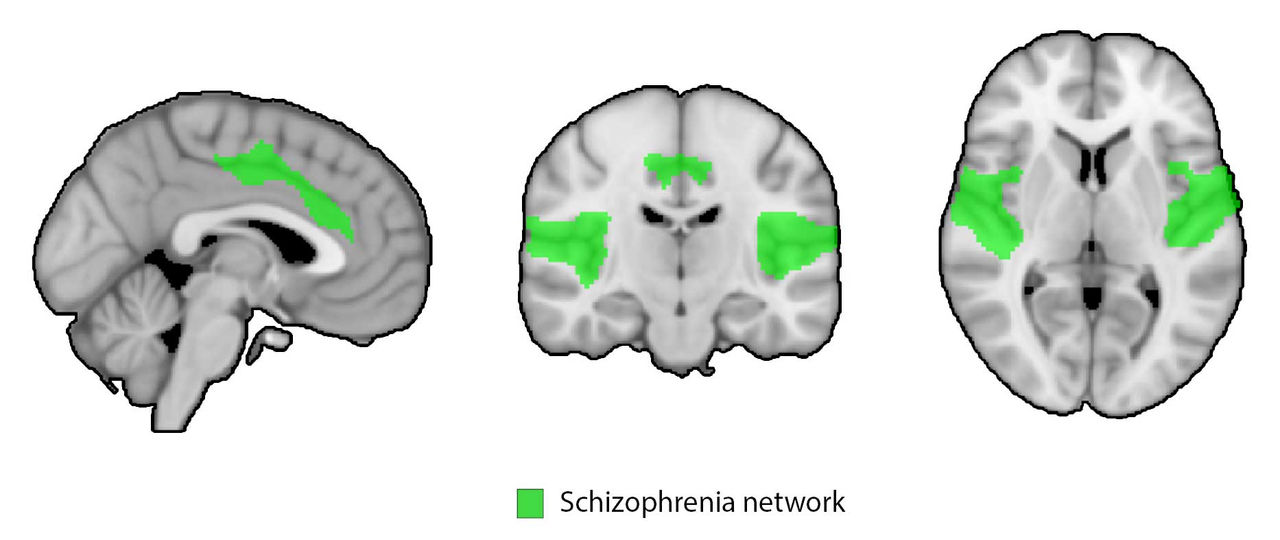
Researchers from the University of British Columbia have uncovered a new brain protein believed to play a crucial role in addressing cognitive issues in patients with schizophrenia. This discovery could revolutionize the understanding and treatment of this complex mental illness, which affects millions of people worldwide.
Schizophrenia is a chronic mental disorder characterized by a breakdown in thought processes and a loss of contact with reality, leading to symptoms such as hallucinations and delusions. Many patients experience cognitive difficulties that affect their ability to think clearly, make decisions, and engage socially. However, this new discovery may provide new hope for these patients.
Details of the Discovery
In a study published in the journal Nature Neuroscience, researchers analyzed the role of a protein known as C4, which is believed to affect how brain cells communicate with one another. The results showed that levels of this protein are significantly elevated in individuals suffering from schizophrenia, suggesting it may play a role in the development of the disorder.
Research indicates that this protein may influence the process of eliminating unnecessary neurons, a process known as neurodegeneration, which is essential for maintaining brain health. By understanding how C4 affects this process, scientists hope to develop new treatments targeting this mechanism.
Background & Context
Schizophrenia is one of the most complex mental disorders, and current treatments, such as antipsychotic medications, pose significant challenges for patients. While effective in reducing symptoms, these medications do not address the underlying cognitive issues that many patients face.
Historically, research on schizophrenia has focused on genetic and environmental factors, but this new discovery highlights the importance of proteins and biological processes in the brain. Understanding these factors can aid in developing more effective therapeutic strategies.
Impact & Consequences
If future research proves the effectiveness of treatments based on the protein C4, it could lead to significant improvements in patients' quality of life. These treatments may help reduce cognitive symptoms, allowing patients to return to their normal lives more quickly.
Furthermore, this discovery may stimulate further research in the field of neuroscience, leading to new findings in the treatment of other mental illnesses. Understanding how the brain works can open new avenues in psychiatry.
Regional Significance
In the Arab region, mental illnesses, including schizophrenia, are significant health issues that require more attention. With increasing psychological and social pressures, this discovery could positively impact how these illnesses are addressed in Arab communities.
This research could enhance awareness of the importance of mental health and encourage governments and communities to invest in mental health services and psychological treatment, leading to an overall improvement in healthcare.
In conclusion, the discovery of the protein C4 represents an important step towards a deeper understanding of schizophrenia and may open new avenues for innovative treatments. Hope remains pinned on future research to achieve tangible progress in this field.