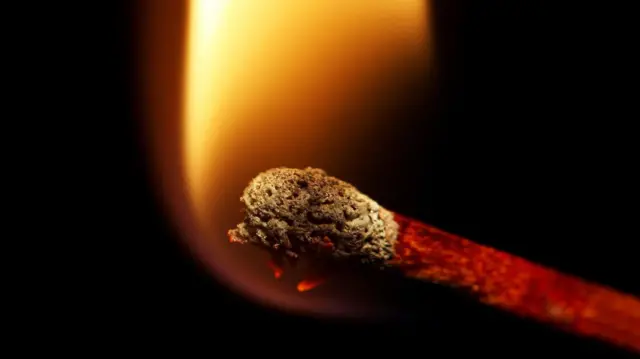
In 1826, British pharmacist John Walker discovered a new method for starting fires by inventing the first friction match after scraping a dry chemical mixture on a rough surface. This discovery changed the course of fire usage in daily life.
Walker, who worked in a small pharmacy in Stoke-on-Trent, did not anticipate that a simple coincidence would lead him to invent something that would change the world. Through his experiments with mixing chemicals, he found that combining certain compounds could lead to a reaction that produced a spark when rubbed together.
Details of the Invention
The match created by Walker was a wooden stick coated with a mixture of sulfur and other chemical components. When the match was rubbed against a rough surface, friction would ignite the mixture. This invention was not only a new way to start a fire but also safer and easier to use compared to traditional methods that relied on wicks or direct flames.
Shortly after his invention, Walker began marketing his creation, leading to a rapid increase in its popularity. However, he was not the only one attempting to develop this idea, as several other models of matches emerged in the following years, but his invention was the most impactful.
Background & Context
Before Walker's invention, methods for starting fires heavily relied on wicks or the use of flammable materials. These methods required special skills and were often considered dangerous. As the Industrial Revolution progressed, there was an urgent need to facilitate access to fire in daily life, making Walker's invention significantly important at the time.
This invention also came at a time when Europe was experiencing major social and economic changes. Societies were moving towards industrialization, increasing the need for more efficient means of igniting fires in factories and homes. The match served as the perfect solution to meet this demand.
Impact & Consequences
The invention of the match led to radical changes in how fire was used. It became easier for individuals to light fires in their homes, contributing to improved daily living conditions. It also played a role in the development of various industries, including cooking and heating.
Over the years, match technology evolved, with improvements made to the materials used in their manufacture, making them safer and more effective. This innovation was not just an invention; it was a turning point in human history, contributing to changes in daily lifestyles.
Regional Significance
Although the invention of the match occurred in Europe, its impact reached all around the world, including the Arab region. This innovation facilitated daily life in Arab communities, making it easier to light fires in homes, restaurants, and markets.
The use of matches also contributed to enhancing the cooking culture in the region, as traditional dishes became easier to prepare thanks to the availability of safe and quick means of igniting fires. This innovation fostered social interaction through gatherings of family and friends around food.
In conclusion, the invention of the match is considered one of the achievements that changed the course of history, as it improved quality of life and facilitated many daily activities. This invention remains a testament to the power of human innovation and its ability to change the world.