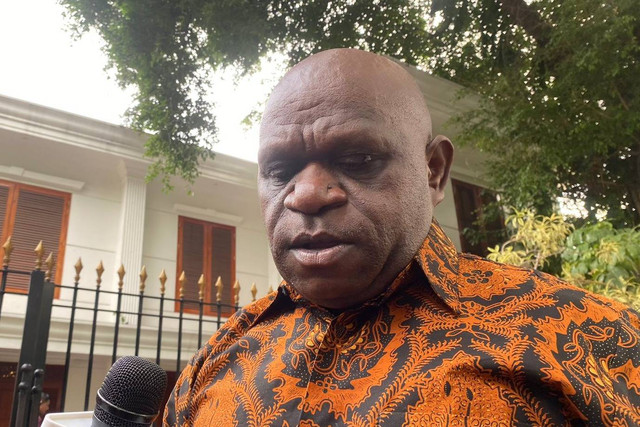
The Indonesian Human Rights Committee (Komisi XIII) in the parliament (DPR RI) held a meeting with Minister of Human Rights Natalius Pigai, focusing on the topic of enhancing human rights in Indonesia. The meeting, which took place at the parliament complex in Senayan, Jakarta, occurs amid increasing attention to human rights issues in the country.
Committee Vice Chairman, Sujiat Santosu, emphasized the importance of this meeting given the rising challenges faced by Indonesia on both national and international levels. He noted that the committee seeks comprehensive clarifications from the Ministry of Human Rights regarding its achievements, the obstacles it faces, and future strategic plans.
Details of the Meeting
During the meeting, Minister of Human Rights Natalius Pigai presented the budget allocated for the ministry for the fiscal year 2026, with initial allocations set at 718 billion rupiah. However, the actual amount was reduced to 578 billion rupiah due to certain constraints. As of April 6, Pigai clarified that the budget execution rate stood at 21.7%, equivalent to 125 billion rupiah.
Pigai also pointed out that the ministry continues its efforts to disseminate the values and principles of human rights, resulting in increased awareness among citizens. He explained that Indonesian society has become more cognizant of human rights concepts, with people increasingly discussing human rights violations.
Background & Context
Historically, Indonesia has witnessed significant developments in human rights since the end of Suharto's regime in 1998. However, the country still faces numerous challenges, including issues related to civil liberties, minority rights, and women's rights. These issues require ongoing efforts from the government and civil society to foster a culture of human rights.
Indonesia is considered one of the largest democracies in the world; however, the challenges it faces in the realm of human rights reflect the complexities of democratic transition. Therefore, enhancing human rights is vital to ensuring the country's stability and progress.
Impact & Consequences
The implications of this meeting extend beyond Indonesia, potentially influencing how other countries address human rights issues. Strengthening human rights in Indonesia could serve as a model for neighboring countries, thereby enhancing regional cooperation in this domain.
Moreover, improving the human rights situation in Indonesia may contribute to bolstering international relations, leading to increased international support for human rights-related programs and initiatives. This could open new avenues for collaboration with international organizations and civil society.
Regional Significance
Although Indonesia is geographically distant from the Arab world, human rights issues remain a common topic among many nations. Enhancing human rights in Indonesia could inspire Arab countries to improve their human rights situations, especially in light of the political and social challenges they face.
Furthermore, positive experiences in Indonesia may provide valuable lessons for Arab nations seeking to promote human rights, contributing to the development of more just and free societies.