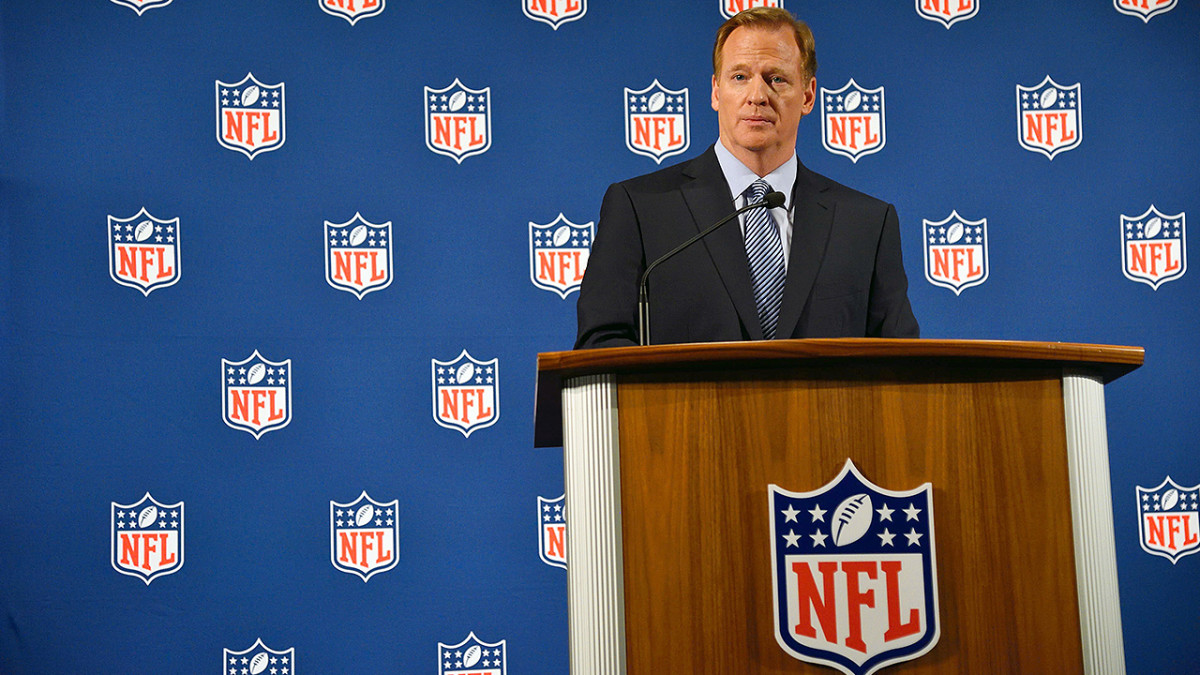
The owners of Major League Soccer (MLS) convened in Phoenix, Arizona, to discuss a range of vital issues affecting the future of the league. This meeting occurs at a sensitive time, as the league faces new challenges related to expansion, broadcasting rights, and technological developments that impact the fan experience.
Discussions at the meeting covered multiple topics, including enhancing partnerships with major technology companies, improving the fan experience at stadiums, and new strategies for expanding into global markets. The issue of television broadcasting rights was also addressed, as the league seeks to maximize revenue from this growing area.
Event Details and Attendance
The meeting saw a significant turnout of owners and team presidents, who exchanged views on how to enhance competition within the league. New ideas were proposed to improve the quality of matches and increase fan attendance at stadiums. Among the points discussed was a call for the development of new training programs for players and coaches, reflecting the league's commitment to improving overall performance.
The impact of technology on the game was also discussed, with some innovations presented that could change the way the game is played and how fans interact. New technologies are expected to be introduced in upcoming matches, contributing to an enhanced viewing experience.
Background & Context
Founded in 1920, Major League Soccer has undergone significant evolution to become one of the premier sports leagues in the world. Over the years, the league has faced numerous challenges, including competition from other sports and shifts in audience interests. Nevertheless, the league has managed to maintain its popularity through innovation and adaptation to changing circumstances.
In recent years, the league has seen an increase in the number of teams and expansion into international markets, reflecting its success in attracting a global audience. This expansion necessitates that owners consider new strategies to ensure the sustainability of success.
Impact & Consequences
The outcomes of this meeting are extremely important, as they will influence how the league is managed in the coming years. Decisions made are expected to lead to improved revenues and increased global popularity of the league. Additionally, strengthening partnerships with technology companies could open new avenues for the league, contributing to the overall development of the game.
Furthermore, these developments may impact players and coaches, providing them with new opportunities for growth and development in a more competitive environment. This could lead to improved game quality and increased excitement in matches.
Regional Significance
Although Major League Soccer primarily focuses on the American market, its influence extends beyond borders. In the Arab region, interest in American football has been rising, with some countries beginning to organize sports events related to the league. This interest could pave the way for new partnerships between MLS and Arab nations, contributing to the enhancement of sports culture.
Moreover, the growing popularity of the league could lead to new investments in sports within the region, benefiting both players and fans alike. Ultimately, this meeting represents an important step towards a brighter future for Major League Soccer.