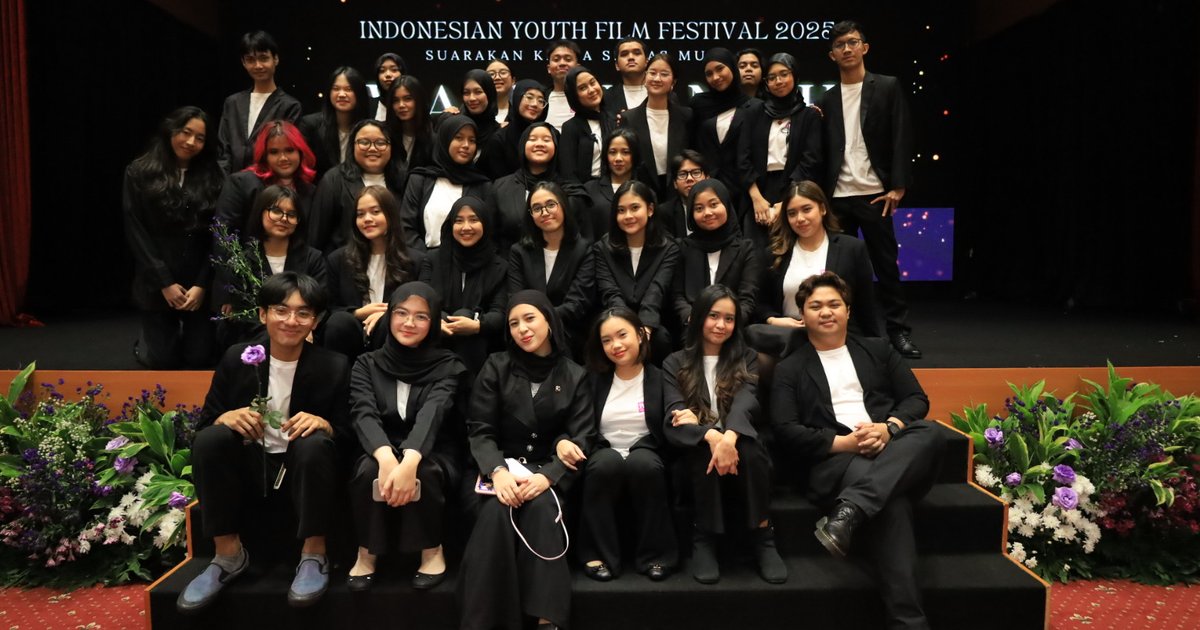
The Indonesian Parliament's Culture and Media Committee (Komisi VII DPR RI) held a meeting to discuss the mechanisms for film distribution in cinemas, highlighting the significance of this mechanism in supporting and enhancing the national film industry. The meeting, held at the Parliament complex, witnessed the presence of several representatives from the cinema industry, reflecting the government's interest in developing this vital sector.
During the meeting, the challenges facing the film industry in Indonesia were reviewed, including distribution and exhibition issues. Members pointed out the necessity of improving this mechanism to ensure that Indonesian films reach a wider audience and enhance competition with foreign films.
Key Discussion Points
The discussions addressed several key points, including the importance of collaboration between the government and the private sector in developing film distribution mechanisms. There was also a strong emphasis on the need to establish clear strategies to support local films, which contributes to enhancing Indonesian cultural identity.
The importance of utilizing modern technology in the distribution process was also discussed, as digital platforms can help expand access to films, particularly in remote areas. Participants expressed optimism about the potential for improving this mechanism through innovation and collaboration.
Background & Context
Historically, the Indonesian film industry has seen significant developments, beginning in the 20th century and evolving considerably over the past decades. However, challenges such as competition from foreign films and limited government support remain prevalent. These discussions come at a critical time as Indonesia seeks to strengthen its position as a cinematic destination in the region.
In recent years, Indonesia has witnessed an increase in the number of cinemas, reflecting the growing demand for cinematic content. Nevertheless, improving distribution mechanisms is a necessary step to ensure the sustainability of this industry.
Impact & Consequences
Enhancing the film distribution mechanism can lead to positive impacts on the local economy, as it can contribute to creating new job opportunities and boosting cultural tourism. Supporting local films enhances cultural identity and reflects the rich diversity of Indonesian culture.
Moreover, these steps can attract foreign investments into the film industry, bolstering Indonesia's ability to compete in the global market. These developments may open new horizons for local filmmakers and increase their chances of reaching a global audience.
Regional Significance
The film industry in Indonesia serves as a model for many Arab countries seeking to develop their cinematic sectors. The lessons learned from these discussions can contribute to improving film distribution mechanisms in the Arab world, enhancing these countries' ability to compete in the global market.
Furthermore, strengthening cooperation between Arab countries and Indonesia in the field of cinema can facilitate cultural exchange and enhance mutual understanding, thereby strengthening relations between peoples.