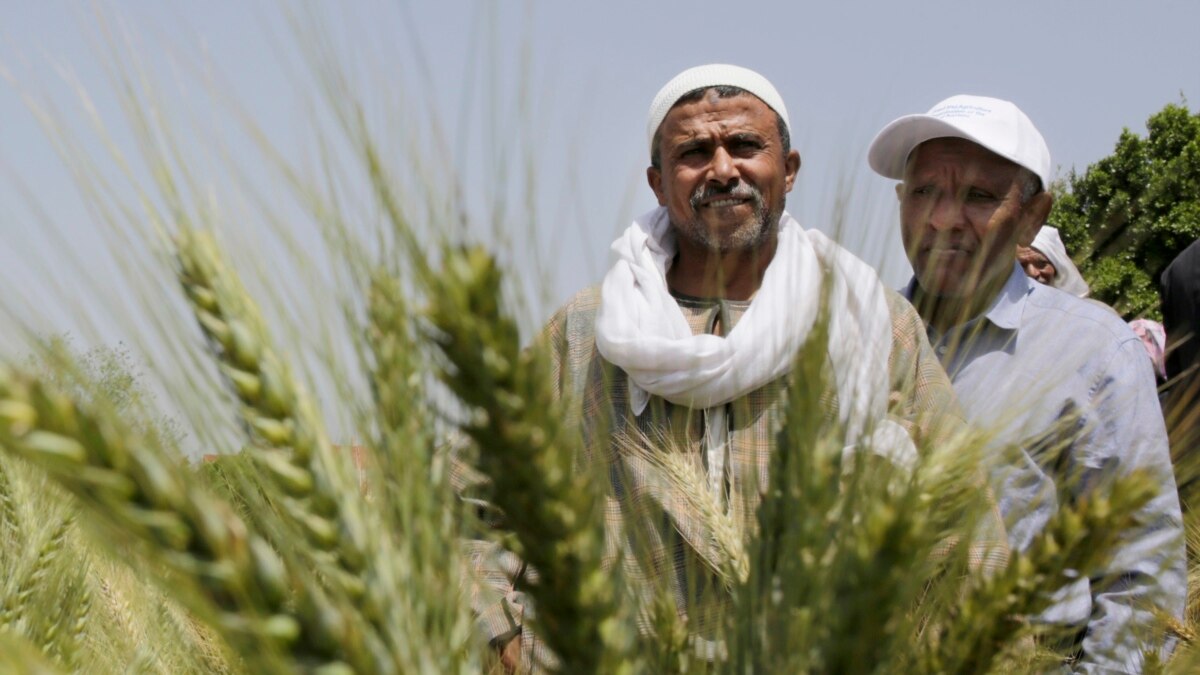
The Undersecretary of the Ministry of Supply in Luxor discussed wheat supply mechanisms with the Ministry of Agriculture, aiming to enhance local production and ensure market needs. This meeting is part of the Egyptian government's efforts to achieve self-sufficiency in strategic crops.
The Ministry of Supply is seeking to establish effective plans for wheat supply, as wheat is one of the essential crops that the state relies on to secure citizens' needs. Several points were addressed during the meeting, including how to improve supply and storage processes, as well as enhancing cooperation among the relevant authorities.
Event Details
The meeting was attended by several officials from the Ministry of Agriculture, where current plans for wheat supply and the challenges faced by farmers were reviewed. The Undersecretary of the Ministry of Supply emphasized the importance of supporting farmers and providing all necessary facilities to ensure increased production.
Ways to improve the quality of locally produced wheat were also discussed, with officials highlighting the importance of using modern agricultural techniques that could enhance production efficiency. It was confirmed that it is essential to provide farmers with the necessary fertilizers and pesticides to ensure optimal results.
Background & Context
Egypt is one of the largest wheat importers in the world, relying heavily on imports to meet its needs. However, the Egyptian government is striving to achieve self-sufficiency in wheat by increasing local production. Several steps have been taken in recent years to support farmers and improve agricultural conditions.
Historically, Egypt has relied significantly on imported wheat, but with increasing economic pressures, it has become necessary to enhance local production. In recent years, there has been an increase in wheat-planted areas, reflecting the government's direction towards achieving self-sufficiency.
Impact & Consequences
Enhancing wheat supply mechanisms and improving local production will have positive effects on the Egyptian economy. Increasing local production will reduce reliance on imports, contributing to improving the country's trade balance.
Moreover, improving the quality of locally produced wheat will help raise the level of food security, positively impacting citizens' lives. These steps are expected to contribute to reducing bread prices, which is a staple in the lives of Egyptians.
Regional Significance
Food security is a vital issue in the Arab region, where many countries face similar challenges in securing their food needs. Egypt's success in achieving self-sufficiency in wheat could serve as a model for other countries in the region.
Additionally, enhancing cooperation among Arab countries in agriculture and food production could contribute to achieving regional food security, thereby enhancing overall stability in the region.
In conclusion, the meeting between the Undersecretary of the Ministry of Supply and the Ministry of Agriculture represents an important step towards enhancing local wheat production, contributing to achieving self-sufficiency and strengthening food security in Egypt.