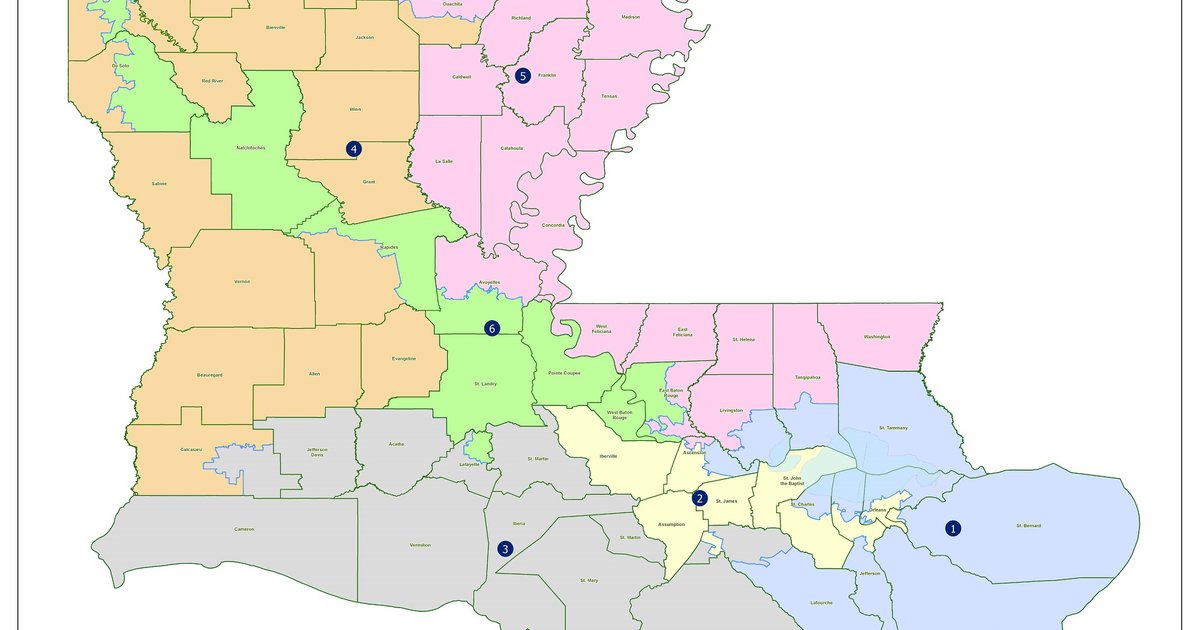
The Louisiana Senate has initiated discussions regarding a new electoral district map for the U.S. House of Representatives, as lawmakers seek to update the current distribution in line with demographic changes. Concurrently, South Carolina is planning additional work on redistricting, reflecting the importance of this process in enhancing democratic representation.
These moves come at a critical time, as U.S. states are required to redraw their electoral districts every ten years following the census. This procedure aims to ensure fair representation of the population in legislative bodies. In Louisiana, changes are expected to have significant impacts on the political balance within the state, while South Carolina aims to address representation issues in its electoral districts.
Event Details
In Louisiana, a bill has been introduced aimed at redistricting, which includes amendments to current boundaries that may affect the number of seats allocated to each area. Lawmakers in the state are working to ensure that these changes reflect the new population distribution, which has seen notable shifts in recent years.
On the other hand, in South Carolina, the need for additional work on redistricting has been identified after new population data indicated that some areas may require reassessment. This additional work reflects the state's commitment to ensuring fair representation for its residents, particularly in regions that have experienced significant population growth.
Background & Context
Historically, the process of redistricting has been a contentious issue in the United States, as it can significantly influence electoral outcomes. In many instances, this process has been used for political purposes, leading to accusations of "gerrymandering." However, the primary goal of this process is to ensure that electoral districts reflect the demographic makeup of the state.
The United States is one of the few countries that relies on periodic redistricting, reflecting changes in population demographics. This process is not only technical but also carries political and social dimensions that affect citizens' lives.
Impact & Consequences
Changes in the electoral district map can lead to significant effects on the political balance within states. In Louisiana, adjustments may enhance or diminish the power of certain political parties, impacting future electoral outcomes. Meanwhile, in South Carolina, redistricting may increase representation for areas that have seen population growth, reflecting changes in residents' needs.
Moreover, these changes could affect local policies, potentially leading to shifts in legislative priorities based on the new demographic makeup. This situation requires lawmakers to respond effectively to the needs of their diverse communities.
Regional Significance
While these developments focus on the United States, they highlight the importance of fair representation in any democratic system. In the Arab world, many countries face similar challenges regarding political representation and equitable distribution of resources. These experiences in the United States can serve as inspiration for Arab nations striving to improve their political systems and enhance public participation.
In conclusion, the redistricting process in Louisiana and South Carolina emerges as a significant step towards strengthening democracy, underscoring the importance of fair representation in legislative bodies. These issues are not confined to the United States but represent global challenges that require ongoing attention.