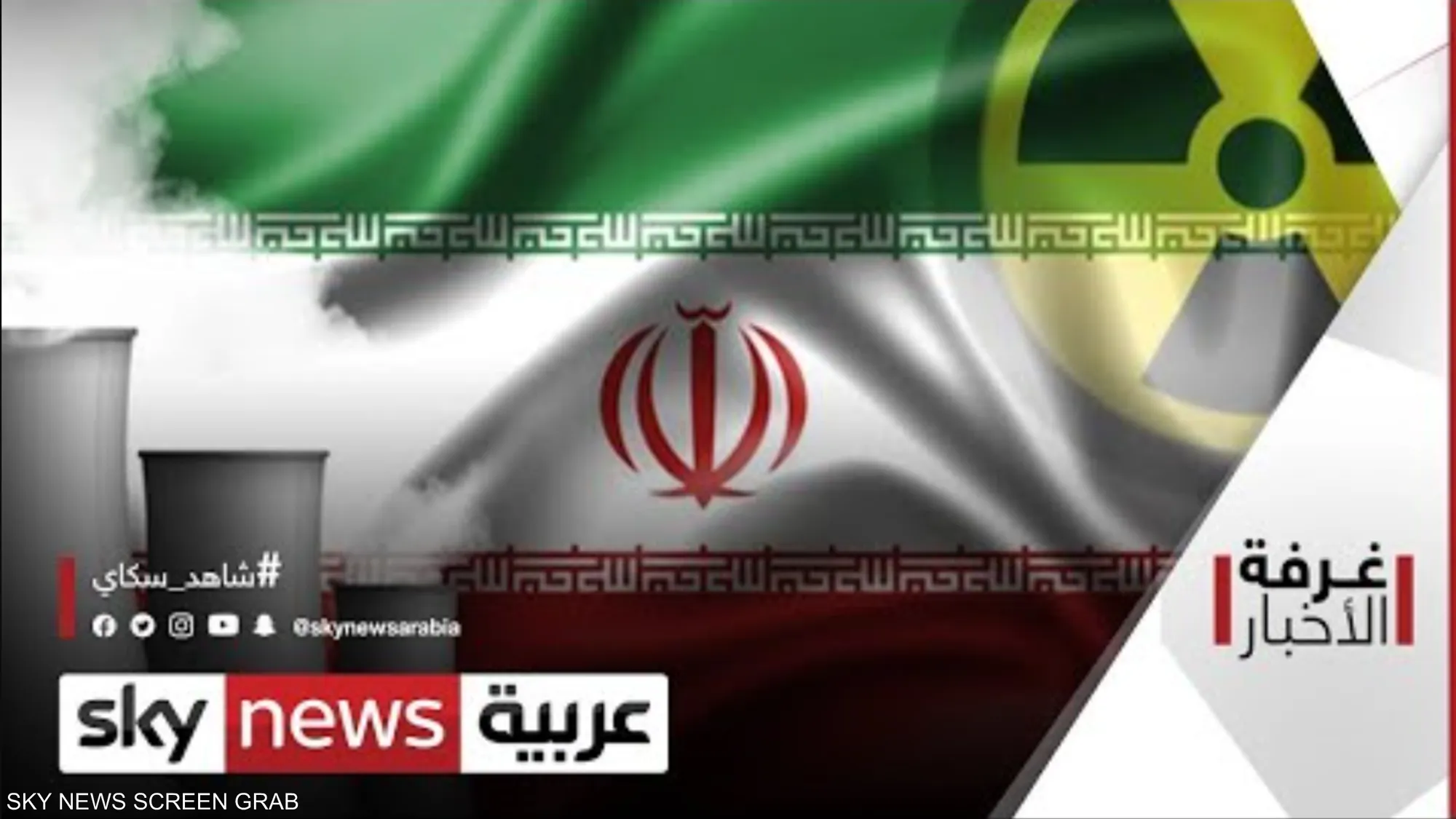
Speculation is increasing regarding the possibility of talks between the United States and Iran, as President Donald Trump announced the existence of 'very good talks' aimed at ending military escalation, a claim that Tehran has categorically denied.
According to Axios, the United States and several regional mediators are discussing the possibility of holding high-level peace talks with Iran, but the details of these discussions remain unclear.
Details of the Event
In statements made by Trump, he referenced communication with an unnamed 'Iranian leader,' describing him as a 'respected figure,' while excluding the possibility of it being Supreme Leader Ali Khamenei. Simultaneously, Mohammad Baqer Qalibaf, the Speaker of the Iranian Parliament, denied any negotiations with the United States, deeming the circulating news as 'false' and aimed at influencing the markets.
On the other hand, the New York Times reported that there has been direct communication between Iranian Foreign Minister Abbas Araghchi and Trump's special envoy Steve Biegun, although neither side has confirmed this. The Iranian Foreign Ministry spokesperson also stated that Tehran has received messages from friendly nations regarding a U.S. request for negotiations.
Background & Context
The roots of tension between the United States and Iran date back to 1980, when diplomatic relations between the two countries were severed. Since then, the region has witnessed repeated military escalations, with the United States and Israel carrying out several attacks on Iran, the most recent of which occurred in February.
Oman is considered one of the countries that has played a mediating role in the indirect talks between Washington and Tehran, relaying messages between the two sides. However, Oman appears to be disappointed with the outcomes of those discussions, prompting other countries like Egypt, Pakistan, and Turkey to intervene.
Impact & Consequences
Concerns are growing that escalating tensions could lead to a full-scale war in the region, as Iran continues to respond to U.S. and Israeli attacks with missile and drone strikes. These attacks have resulted in numerous casualties, including prominent Iranian officials.
At the same time, Trump's remarks about 'not wanting to enrich uranium' raise questions about the future of Iran's nuclear program, which remains a central point of international tensions. Reports indicate that Iran possesses a stockpile of uranium enriched to 60%, heightening international concerns.
Regional Significance
These developments directly impact security and stability in the Arab region, where some Arab countries are facing Iranian attacks targeting U.S. interests. The targeted countries have condemned these attacks, calling for their immediate cessation.
In light of these circumstances, the most pressing question remains: Will the anticipated talks succeed in ending the escalation, or will the region witness further violence and destruction?