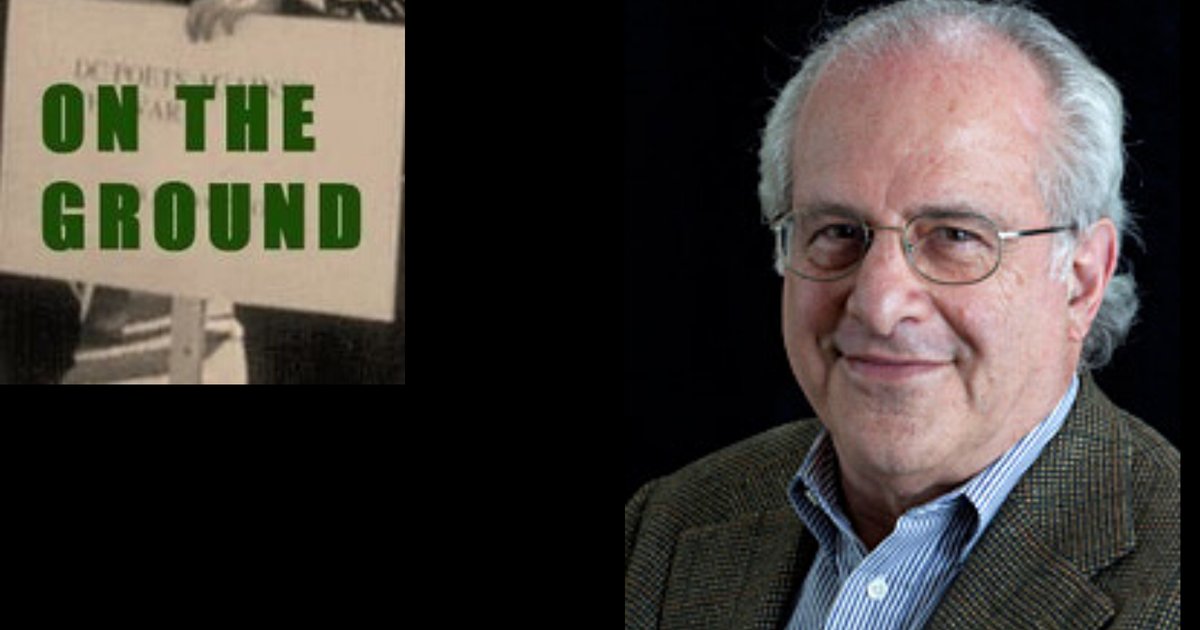
In a compelling lecture, economist Richard Wolff addressed the challenges currently facing the global economy. He emphasized that successive economic crises, including the repercussions of the COVID-19 pandemic, have highlighted the urgent need to rethink existing economic policies.
Wolff, regarded as one of the leading thinkers in economics, pointed out that current policies contribute to exacerbating economic and social gaps. He called for bold steps to tackle these issues, including promoting social justice and improving wealth distribution.
Details of the Event
During his lecture, Wolff discussed the impact of economic crises on the most vulnerable segments of society, noting that the poor are the most affected by current economic policies. He also indicated that governments should adopt new strategies aimed at achieving sustainable development.
Wolff also addressed the role of technology in shaping the modern economy, explaining how innovations can contribute to improving economic conditions, but may also lead to widening the gap between the rich and the poor if not managed properly.
Background & Context
Wolff's statements come at a time when the world is witnessing numerous economic crises, ranging from rising inflation to soaring energy prices. These crises require a swift and effective response from governments and economic institutions.
Historically, economic crises have led to radical changes in economic policies, underscoring the importance of new ideas presented by thinkers like Wolff. Understanding these dynamics helps shape the future of the global economy.
Impact & Consequences
The impact of Wolff's lecture may extend to policymakers and economists, as his ideas could inspire changes in how economic issues are addressed. These ideas are expected to lead to new discussions on how to achieve economic justice.
Moreover, his call to rethink economic policies could result in changes in how governments respond to crises, which may positively affect the most affected communities.
Regional Significance
In the Arab region, where many countries face significant economic challenges, Wolff's ideas may hold particular importance. Challenges such as unemployment and poverty require new strategies that align with more inclusive economic visions.
Implementing some of the ideas proposed by Wolff could contribute to improving economic conditions in Arab countries, especially under current circumstances that necessitate concerted efforts to achieve sustainable development.
In conclusion, Richard Wolff's lecture opens the door for new discussions on how to address global economic challenges, reflecting the importance of new ideas in shaping future economic policies.