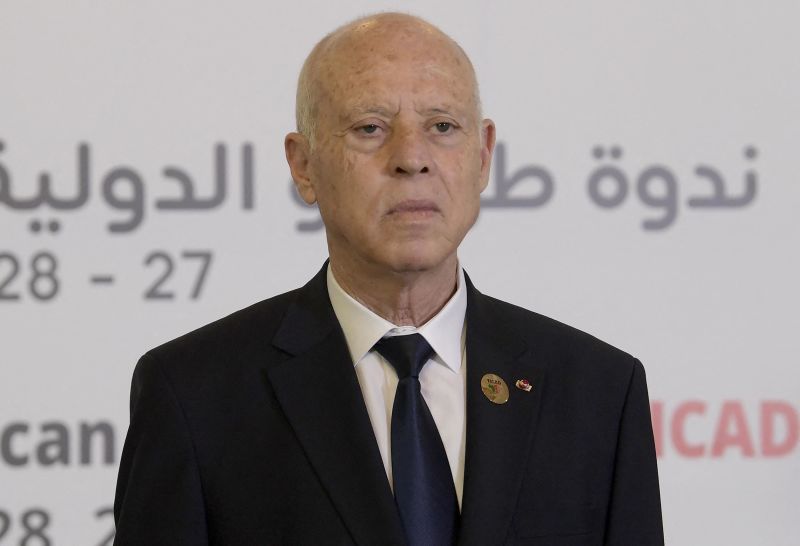
Tunisian President Kais Saied issued a decision early Tuesday morning to dismiss Industry, Mines, and Energy Minister Fatma Thabet from her position. President Saied has appointed Minister of Equipment and Housing Salah Eddine Zouari to manage the ministry temporarily. This move follows more than two years of Thabet's service in the role since January 2024.
Tunisia has a political system characterized by extensive presidential powers, allowing for decisive actions across various sectors. The dismissal has raised questions regarding the reasons behind this decision, especially amid the economic challenges facing the country.
Details of the Dismissal
Fatma Thabet took on the role of Minister of Industry, Mines, and Energy at a time when Tunisia was in dire need of reforms in this vital sector. However, the ministry's performance during her tenure has faced criticism from certain political and economic circles.
The dismissal comes at a sensitive time, as the Tunisian government seeks to improve economic conditions and enhance investments in the energy and mining sectors. Some have suggested that this step could be part of a larger strategy aimed at restructuring the government and improving its performance.
Background & Context
The Ministry of Industry, Mines, and Energy in Tunisia was established as part of government efforts to boost economic growth and create job opportunities. Nonetheless, the industrial sector in Tunisia has encountered numerous challenges, including a lack of investments and modern technologies.
Since Kais Saied assumed the presidency, Tunisia has experienced radical changes in the political landscape, with presidential powers significantly enhanced. This trend has impacted the government's management of the country's natural and industrial resources.
Impact & Consequences
The dismissal of the Industry Minister is seen as a step that could affect political stability in Tunisia, potentially provoking reactions from various political parties. Additionally, this move may influence investor confidence in the Tunisian market, particularly in the energy sector, which is vital for the economy.
If the government continues to make similar decisions, it could lead to significant changes in the government structure, potentially affecting economic strategies and development programs in the country.
Regional Significance
Tunisia serves as a model for many Arab countries seeking to achieve economic and political reforms. Changes in the Tunisian government may inspire other nations in the region to adopt similar strategies in resource management and addressing economic challenges.
Given the difficult economic conditions faced by many Arab nations, Tunisia's experience may provide valuable lessons on the importance of political stability and economic reforms.
The dismissal of Fatma Thabet opens the door for further discussion regarding the future of the industrial sector in Tunisia, highlighting the importance of effective leadership in achieving economic goals.