The Russian Central Bank has announced, effective Wednesday, the establishment of daily exchange rates for the Russian ruble against 9 new foreign currencies, including 3 Arab currencies. This announcement reflects the bank's efforts to enhance the ruble's position in global financial markets.
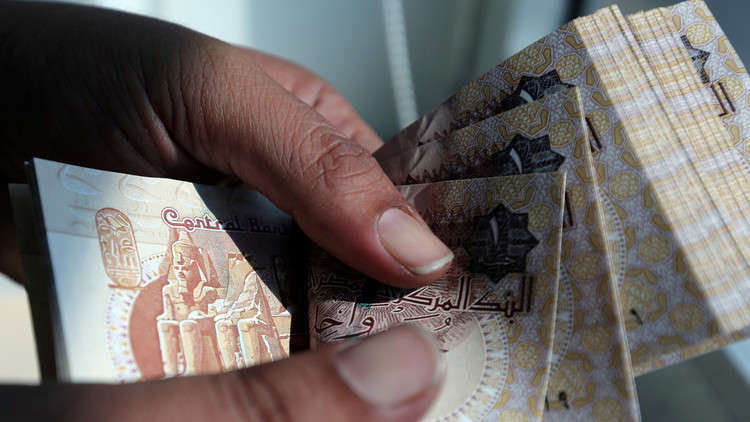
According to a statement from the press service of the Bank of Russia, the new currency list includes the UAE dirham, Qatari riyal, and Egyptian pound, along with other currencies such as the Thai baht, Vietnamese dong, Serbian dinar, New Zealand dollar, Georgian lari, and Indonesian rupiah.
Details of the Announcement
With the addition of these currencies, the total number of foreign currencies for which the Russian Central Bank sets the ruble's exchange rate on a daily basis rises to 43. This expansion comes at a time when the bank is seeking to strengthen the ruble as a reserve currency in global markets, especially amid global economic changes.
This move is part of the Russian Central Bank's strategy to enhance financial and economic stability in the country, reflecting a trend towards diversifying trade partners and reducing reliance on the US dollar.
Background & Context
This step is part of Russia's efforts to bolster the ruble, especially following the economic sanctions imposed by Western countries. In recent years, Russia has undergone significant shifts in its economic policy, aiming to reduce dependence on traditional foreign currencies.
Moreover, this initiative aligns with the trends of many countries towards strengthening their national currencies in the face of global economic challenges. These measures are expected to increase the use of the ruble in international trade.
Impact & Consequences
This initiative is anticipated to have a positive impact on the Russian ruble, potentially leading to increased demand for the Russian currency in global markets. Additionally, the inclusion of new currencies in the Central Bank's listings may enhance investor confidence in the Russian economy.
Furthermore, this move could contribute to improving trade relations with Arab countries, reflecting Russia's desire to strengthen economic cooperation with these nations.
Regional Significance
For Arab countries, the inclusion of currencies such as the Egyptian pound, UAE dirham, and Qatari riyal in the Russian Central Bank's listings may open new horizons for economic and trade cooperation. This step could enhance investment opportunities and trade exchanges between Russia and Arab nations.
These measures may also encourage Arab countries to promote the use of their national currencies in trade with Russia, contributing to reducing reliance on the US dollar in commercial transactions.
The addition of 9 new currencies to the Russian Central Bank's listings reflects new trends in Russian monetary policy and opens new avenues for economic cooperation with Arab countries.