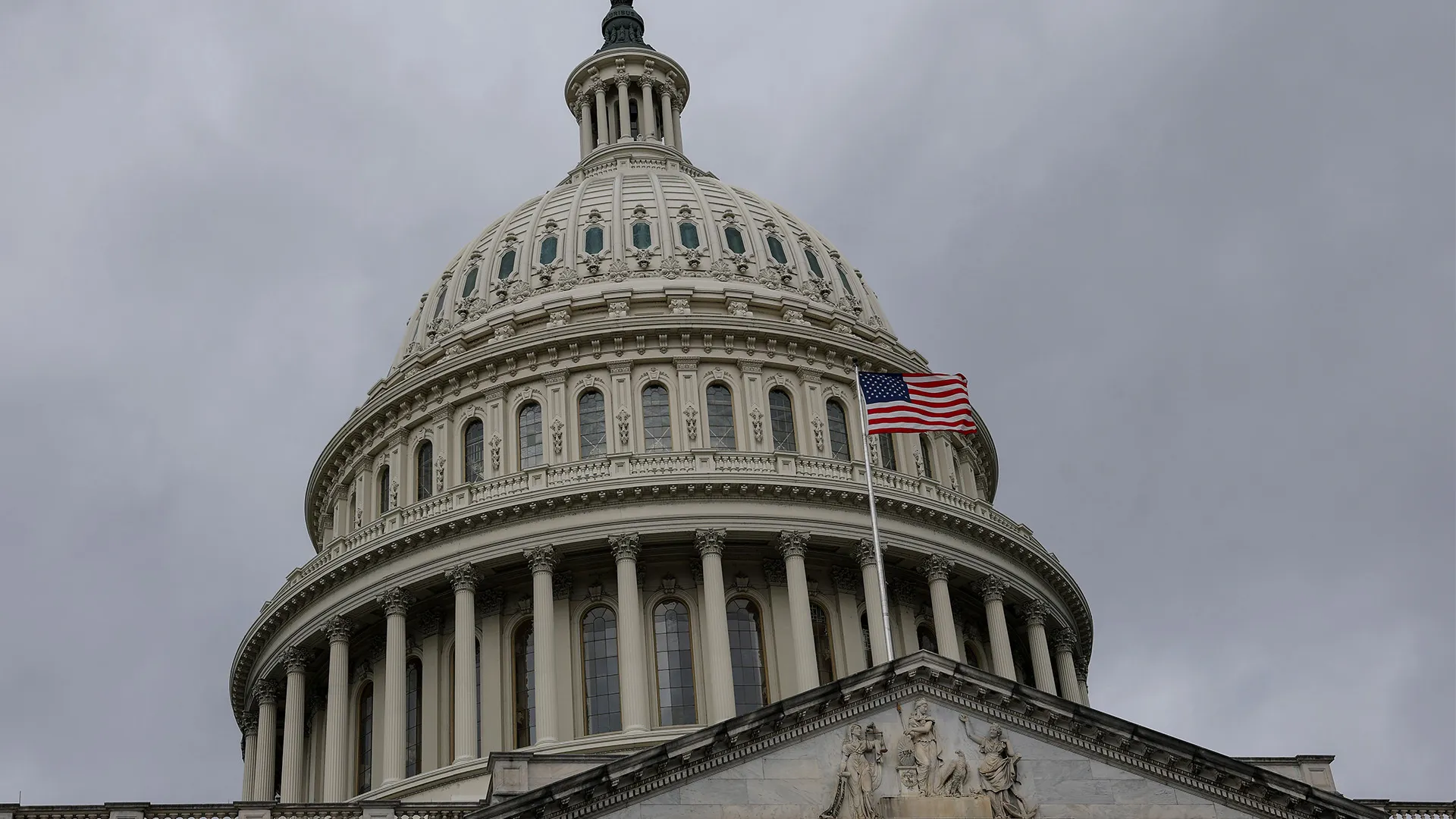
As the Iranian war escalates into its third week, discussions are intensifying within American political circles about the possibility of providing new funding of $200 billion to support military efforts in the region. Congressman Glenn Ivey stated in an interview on "Bloomberg This Weekend" with David Gura and Christina Ruffini that this step requires special attention from Congress, particularly concerning the war powers delegated to the president.
These discussions come at a critical juncture in U.S.-Iran relations. Increasing violations of the nuclear agreement by Tehran and ongoing attacks on American interests in the Middle East have heightened the pressure on the U.S. administration to change its approach. This coincides with former President Donald Trump's announcement directing the Immigration and Customs Enforcement (ICE) agency to operate in U.S. airports, a statement that has raised concerns among American citizens and immigrants alike.
Before considering the potential ramifications, it is essential to review the historical context of these disputes. U.S.-Iran relations have been tense since 1979, when the American-backed Shah regime was overthrown, leading to the establishment of the Islamic Republic. Subsequently, a series of conflicts and tensions resulted in severe sanctions on Iran, affecting its economy and international relations.
In recent years, some American lawmakers have exploited this conflict to expand war powers. These discussions regarding additional funding are deemed necessary, according to Congressman Ivey, to ensure that the United States can respond to threats effectively. Analysts predict that this funding may also aim to weaken Tehran’s support for armed militias in Iraq and Syria, which could shift the balance of power in the region.
Geopolitically, these ramifications extend beyond distant regions into Middle Eastern countries. The rising tension between the United States and Iran will affect Gulf security and countries such as Iraq, Syria, and Lebanon, where Iran-backed militias are active.
Moreover, there are broader implications for overall U.S.-Arab relations. Regional security significantly relies on the stability of U.S.-Iran relations. Increasing conflicts could lead to a reassessment of security policies among Arab states and amplify calls for the regional balance that many countries in the Persian Gulf seek. Exploiting any chaos resulting from the conflict to redistribute power could have dire consequences for the political and social conditions in many Arab nations.
A comprehensive analysis of the current situation clearly indicates that discussions about war powers in Washington will not only be limited to the American side but will also directly influence the regional landscape and existing balances of power. Under such conditions, Arab countries must activate their diplomacy and expand their alliances to ensure stability and mitigate the negative impacts of sliding into open conflict in the region.
Undoubtedly, these issues require public discussion in the United States, as preparations are underway for new rounds of consultations and debates about the extent of American intervention in ongoing events. As these crises persist, the most pressing question remains: how will the current administration respond to these effects and crises, and how capable is it of strengthening efforts to improve relations with Arab countries in general?