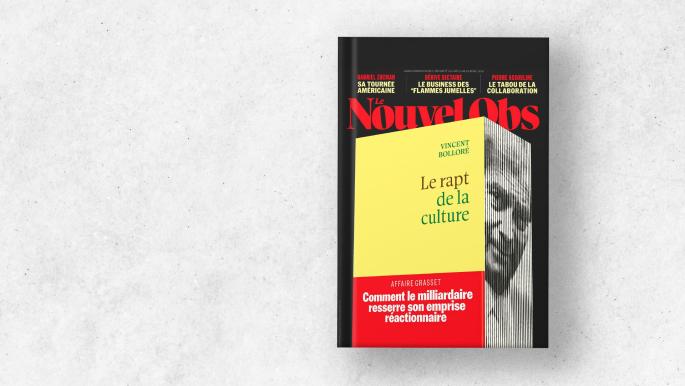
Concerns about democracy in France are growing following the dismissal of Olivier Nora, amid ongoing discussions about the 'Bouloré phenomenon'. These events reflect the influence of money and media on the political landscape, raising questions about the future of public freedoms in the country.
The 'Bouloré phenomenon' embodies the challenges facing French democracy, where the interests of money intertwine with media, leading to negative impacts on freedom of expression and public discourse. In this context, Nora's unexpected dismissal stands out as a sign of the increasing tensions within the French political system.
Details of the Event
The announcement of Olivier Nora's dismissal from his position has sparked widespread controversy in political and media circles. Nora is considered a prominent figure in French media, known for his critical stances on certain government policies. The dismissal occurred at a sensitive time, as pressures on the government from civil society and citizens are intensifying.
Articles and statements discussing the impact of money on media are proliferating, with many critics pointing out that this phenomenon could lead to the erosion of democratic values. This situation illustrates how economic interests can influence press freedom, raising concerns about the independence of media institutions.
Background & Context
Historically, France has experienced numerous political crises that have affected democracy, but the 'Bouloré phenomenon' represents a new challenge. In recent years, pressures on media from large corporations have increased, resulting in a decline in freedom of expression. These dynamics weaken the ability of the press to perform its role as the fourth estate.
There are growing fears that this situation could erode trust between citizens and institutions. Under these circumstances, it becomes essential to strengthen laws that protect press freedom and ensure media independence.
Impact & Consequences
Nora's dismissal could have widespread implications for the media and political landscape in France. There are fears that this move may lead to increased censorship of media outlets, limiting journalists' ability to perform their duties freely. Additionally, these events may provoke reactions from civil society, which may seek to defend its rights and freedoms.
This crisis serves as a wake-up call for both politicians and journalists, necessitating a reevaluation of the relationship between money and media. It is crucial to establish mechanisms to ensure that economic interests do not influence press freedom.
Regional Significance
The events in France serve as a lesson for many Arab countries, some of which face similar challenges regarding media freedom and democracy. The 'Bouloré phenomenon' can be seen as an example of how money influences media, prompting Arab nations to consider how to protect press freedom and promote democracy.
In conclusion, this crisis highlights the importance of maintaining media independence as a fundamental part of the democratic system. There must be joint efforts from governments and civil society to ensure the protection of public freedoms.