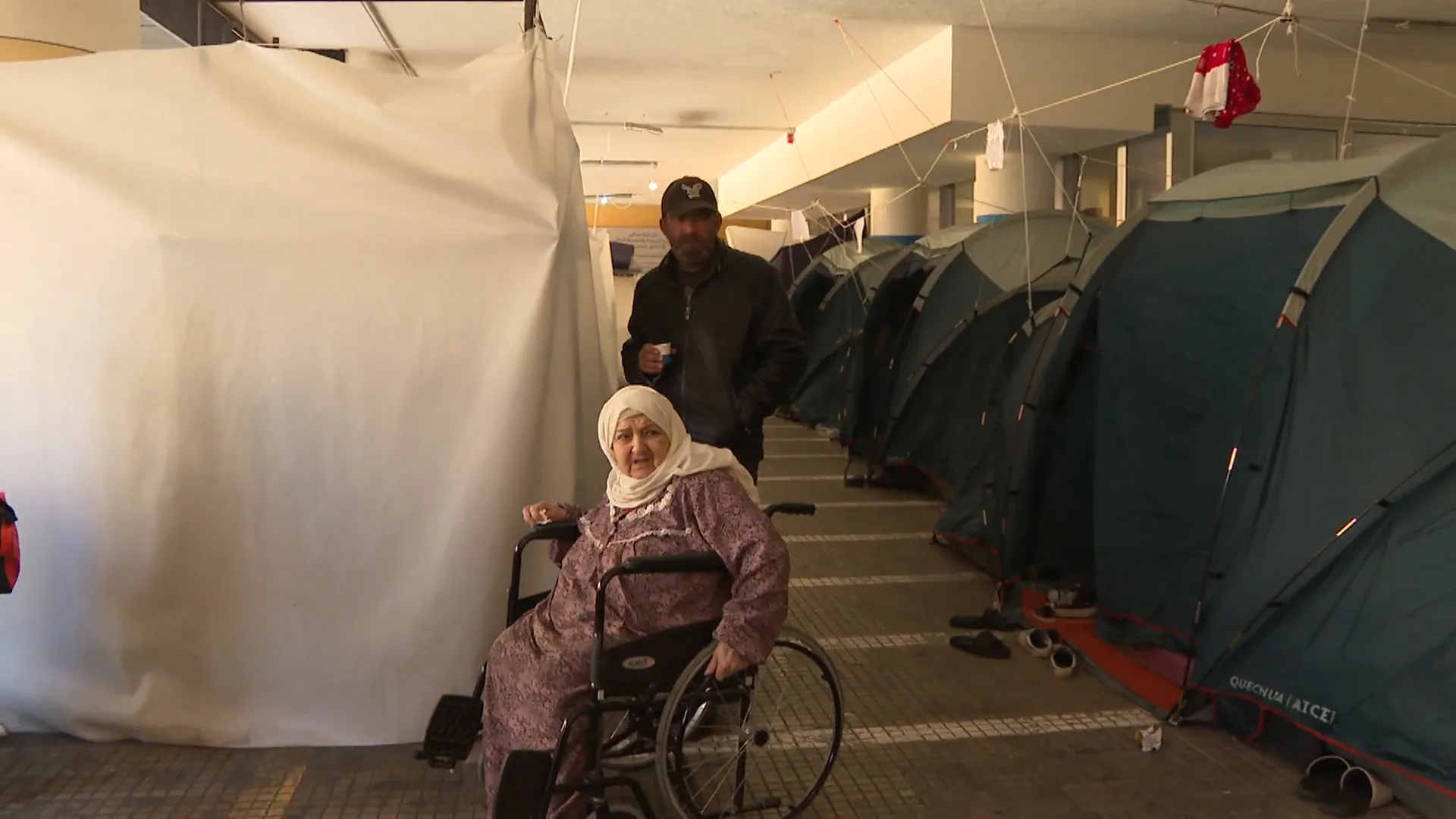
Displaced individuals in Lebanon are enduring dire humanitarian conditions, with over one million people living in shelters and tents on the streets amidst escalating Israeli attacks. The demand for food and health assistance is significantly increasing, placing immense pressure on humanitarian organizations and civil society.
The number of displaced individuals in Lebanon is continuously rising, exacerbating the humanitarian crisis faced by these individuals. In these challenging conditions, many rely on aid provided by non-governmental organizations and individual initiatives, as shelters lack basic resources.
Details of the Situation
Reports indicate that the number of displaced individuals in Lebanon has exceeded one million, reflecting the magnitude of the crisis the country is experiencing. These displaced individuals live in temporary shelters, which lack essential services such as clean water and healthcare. Additionally, many displaced individuals have been forced to live in tents along the sides of roads, further increasing their daily suffering.
The need for food and living assistance is growing, as many displaced individuals suffer from severe shortages of food and medicine. Many have indicated that they rely on aid provided by humanitarian organizations, but this assistance is often insufficient to meet their basic needs.
Background & Context
The history of displacement in Lebanon dates back many years, marked by ongoing conflicts and wars, with the country experiencing repeated waves of displacement due to political and military crises. With the escalation of Israeli tensions, displaced individuals in Lebanon are facing new challenges, complicating the humanitarian situation further.
The current crisis comes at a time when Lebanon is grappling with a crippling economic crisis, with economic conditions deteriorating significantly in recent years. This situation complicates the provision of aid to the displaced, as the state itself suffers from resource shortages.
Impact & Consequences
The impact of displacement on Lebanon is not only humanitarian but also has political and economic repercussions. As the number of displaced individuals increases, Lebanon faces additional pressures on its infrastructure and economy. This situation could exacerbate social and political crises within the country.
Furthermore, the continuation of displacement may affect relations between Lebanon and neighboring countries, as pressures may increase on the Lebanese government to provide more support to the displaced, potentially leading to new tensions in the region.
Regional Significance
The crisis of displaced individuals in Lebanon is part of a larger crisis affecting the Arab region, where many Arab countries are witnessing displacement due to conflicts and wars. These crises impact regional stability and increase the need for comprehensive solutions to displacement issues.
These conditions require an urgent response from the international community, as Arab countries and donor nations must provide the necessary support to the displaced in Lebanon to ensure the provision of at least the minimum humanitarian needs.
In conclusion, the conditions of displaced individuals in Lebanon remain an urgent issue requiring international and local attention. Coordinated efforts must be made to provide necessary assistance and ensure suitable humanitarian conditions for those suffering from the consequences of conflict.