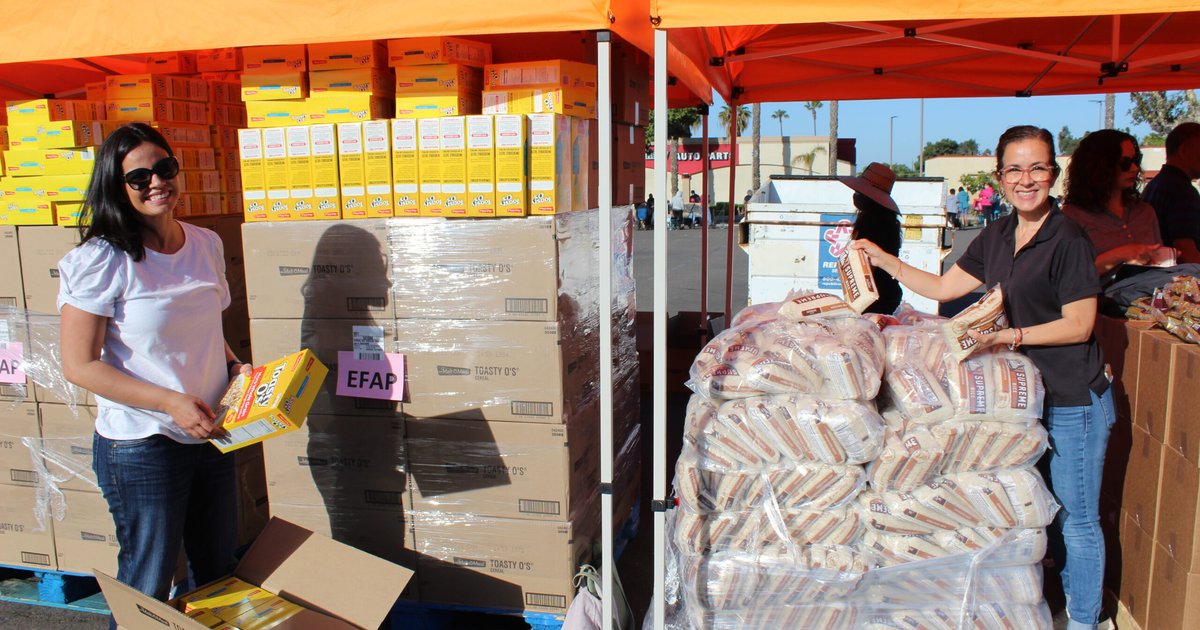
The Food Needs Service Unit (SPPG) in Kimayoran, Harapan Mulia area, announced the distribution of 3,298 complete food meals as part of its ongoing efforts to support needy families following the end of Ramadan. This initiative was implemented at a critical time when many families are striving to rebuild their lives after a period of economic hardship.
This step is part of a larger program aimed at improving nutrition and public health in the community, as the meals were distributed to families suffering from food resource shortages. The initiative received widespread appreciation from beneficiaries, who expressed their gratitude for the efforts made by the unit.
Event Details
The meal distribution process was organized at several locations within Kimayoran, where the meals were carefully prepared to meet the community's nutritional needs. The meals included a variety of healthy foods that reflect local dietary traditions, enhancing the value of this initiative.
Additionally, collaboration with a group of local volunteers contributed to the preparation and distribution process, reflecting the spirit of cooperation and solidarity among community members. Officials noted that this initiative is not the first of its kind, as similar programs have been implemented in the past, but it is the largest in terms of the number of meals distributed.
Background & Context
Nutrition and food security issues are major challenges facing many communities worldwide, especially following the economic and health crises experienced in recent years. In Indonesia, where many families live below the poverty line, such initiatives gain particular importance.
Historically, Indonesia has struggled to provide adequate and nutritious food for all community members, leading to increased malnutrition rates. Therefore, the efforts made by units like SPPG represent a positive step towards addressing these issues.
Impact & Consequences
These initiatives contribute to raising awareness about the importance of proper nutrition and help improve public health in communities. They also reflect the community's ability to unite and collaborate in facing challenges, strengthening social bonds and reinforcing the social fabric.
Moreover, these initiatives may inspire other entities within the local community or even at the national level to adopt similar programs, contributing to the improvement of living conditions for many families.
Regional Significance
Although this event takes place in Indonesia, it holds significant implications for the Arab region. With increasing economic and social challenges in many Arab countries, such initiatives can serve as a model for promoting social solidarity and providing support to needy families.
Arab countries could benefit from adopting similar programs to enhance nutrition and public health levels, contributing to building healthier and more stable communities.