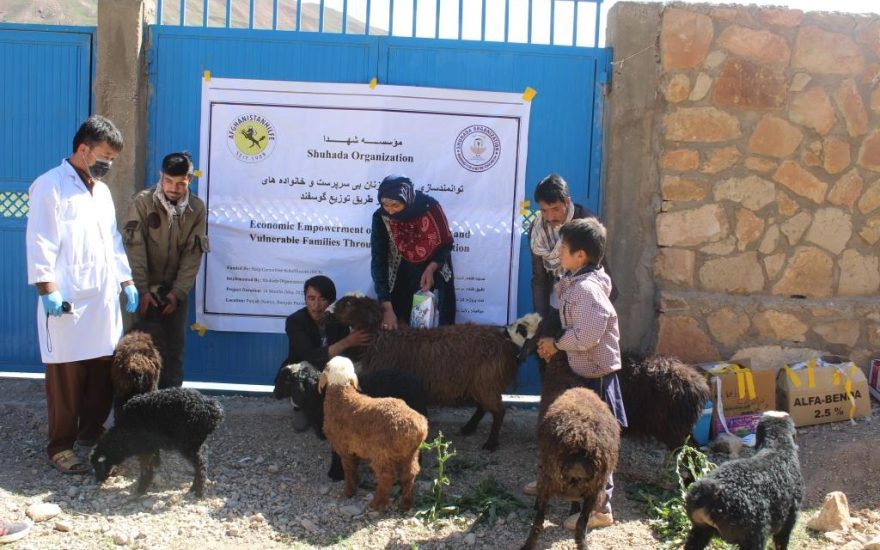
In a move aimed at enhancing sustainable development and improving living standards, the Governor of Assiut announced the distribution of 408 sheep to eligible families in three centers within the governorate. This initiative is part of the Egyptian government's efforts to support the most needy segments of society and provide them with additional sources of income.
The sheep distribution took place in the centers of Assiut, Dairout, and Abutig, where eligible families were selected based on specific criteria to ensure that support reaches those who truly need it. The governor emphasized the importance of this step in improving the living conditions of the benefiting families and enhancing food security in the region.
Event Details
During the sheep distribution ceremony, the governor confirmed that this initiative is part of a comprehensive plan aimed at supporting small and medium enterprises and enhancing the role of women in society by providing new job opportunities. He also pointed out that this initiative is not the first of its kind, but rather part of a series of projects aimed at improving living standards in the governorate.
Additionally, it was announced that technical support would be provided to the benefiting families, where they will be trained on how to properly care for and manage the sheep, contributing to the productivity of these small projects.
Background & Context
Assiut Governorate is one of the Egyptian governorates that suffers from poverty and unemployment, making such initiatives essential for improving economic and social conditions. The Egyptian government is implementing a range of development programs targeting the most needy segments, especially in rural areas.
The distribution of sheep is part of a broader strategy aimed at enhancing livestock production in Egypt, as the government seeks to achieve self-sufficiency in meat and dairy products while reducing reliance on imports.
Impact & Consequences
The distribution of sheep is expected to contribute to improving the living standards of the benefiting families, as these families will be able to obtain an additional source of income through the sale of animal products. This initiative may also encourage other families to engage in similar projects, enhancing the spirit of initiative and entrepreneurship within the community.
Moreover, improving living standards in rural areas can help reduce migration to major cities, contributing to a better population balance in the country.
Regional Significance
This initiative serves as a model for many Arab countries facing similar economic and social challenges. Supporting eligible segments through small and medium projects can contribute to achieving sustainable development in the region.
Furthermore, enhancing livestock production in Arab countries can contribute to achieving food security, which is crucial given the challenges the region faces regarding climate change and limited natural resources.
In conclusion, this initiative stands out as a positive step towards improving the living conditions of eligible families and promoting sustainable development in Assiut Governorate, reflecting the Egyptian government's commitment to supporting the most needy segments of society.