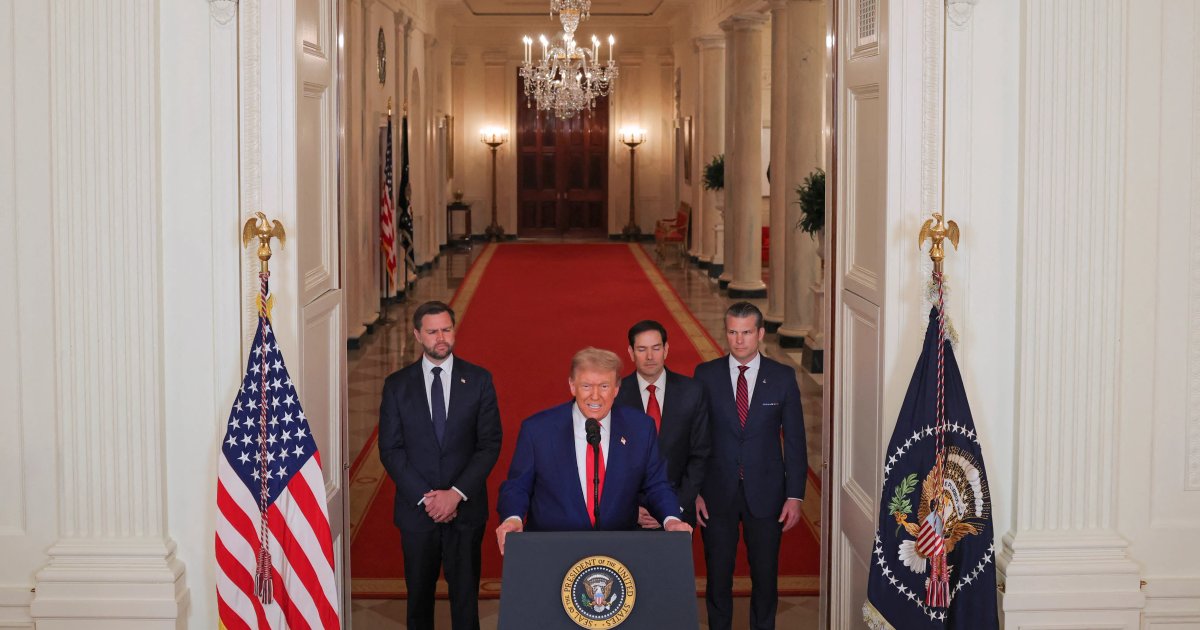
The CPAC conference, regarded as one of the most significant political events in the United States, experienced a sharp divide among supporters of the 'America First' policy regarding former President Donald Trump's statements on Iran. Trump emphasized the need for a tough stance on Tehran, sparking widespread debate among attendees about the effectiveness of this policy and its impact on international relations.
In his speech, Trump used strong expressions to describe his stance on Iran, stating that Iran should be given a "slap." This elicited mixed reactions from the audience. Some considered these remarks a reflection of strong American leadership, while others feared they could escalate tensions in the region.
Details of the Event
The CPAC conference, held annually, brings together prominent political figures and supporters of the Republican policy in the United States. This year saw a significant turnout of Trump supporters, who view him as a symbol of the 'America First' policy. However, the division witnessed during the sessions regarding Trump's stance on Iran reflects the varying opinions within the Republican Party on how to handle external challenges.
While some attendees believe that strong statements could bolster the United States' position on the international stage, others argue that this strategy may exacerbate crises, particularly in the Middle East, which is already fraught with ongoing tensions.
Background & Context
Historically, U.S.-Iran relations have been strained, especially following Trump's withdrawal from the nuclear agreement in 2018. This withdrawal led to heightened tensions between the two countries, with the United States imposing strict economic sanctions on Iran. Since then, the region has witnessed numerous events that complicated relations, including attacks on oil facilities in Saudi Arabia and reciprocal targeting between U.S. and Iranian forces.
Trump's remarks come at a sensitive time, as current President Joe Biden seeks to revive nuclear negotiations with Iran. This approach faces strong opposition from certain political circles in the U.S., which argue that Iran still poses a threat to American national security.
Impact & Consequences
The divide at CPAC over Trump's statements may reflect a shift in political strategy within the Republican Party. Some analysts believe that this division could impact upcoming elections, as Republicans strive to unify their ranks against the Democrats. At the same time, these remarks could bolster Trump's position as a leader of the conservative movement, increasing his popularity among his supporters.
On the other hand, these statements may affect U.S. relations with its allies in the region, who are concerned about escalating tensions. Traditional allies such as Israel and Gulf states are closely monitoring how the situation develops, especially in light of ongoing Iranian threats.
Regional Significance
For the Arab region, Trump's statements could exacerbate instability. Iran plays a key role in many conflicts in the area, including in Syria, Iraq, and Yemen. Any escalation in the U.S. stance could provoke Iranian reactions, further complicating situations in these countries.
Ultimately, the question remains about how these divisions within the Republican Party will affect U.S. foreign policy and whether they will lead to radical changes in dealing with Iran. Upcoming events will determine the course of international relations in the region and will have implications for security and stability in the Middle East.