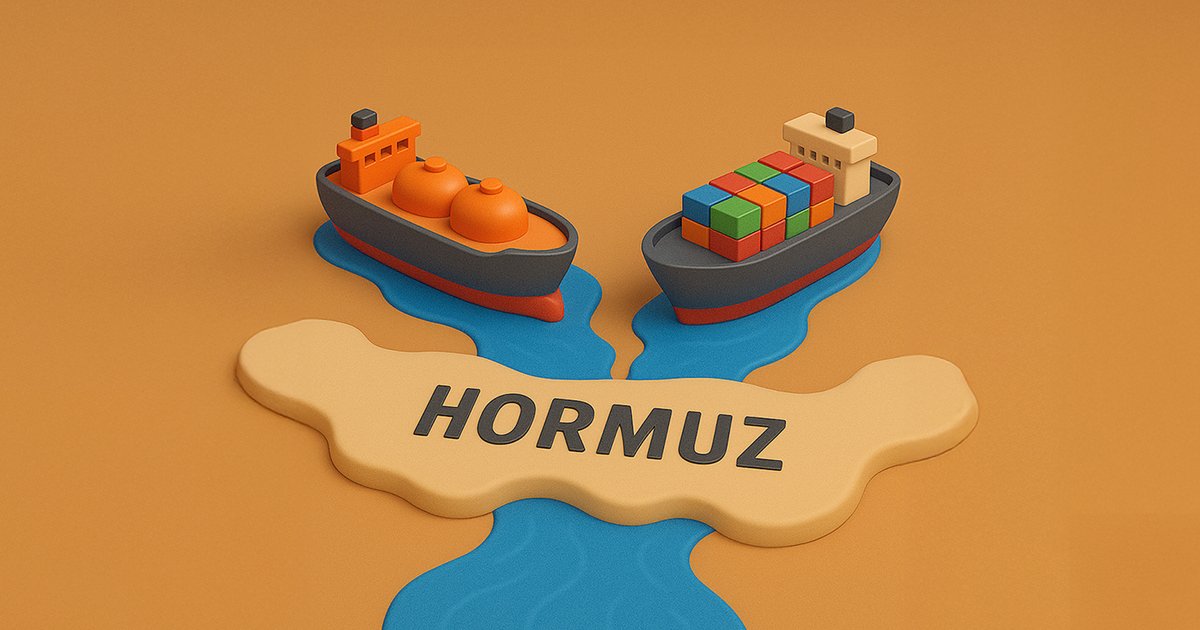
In a groundbreaking case, Jordan has witnessed a rare divorce attributed to political crises and escalating tensions in the Hormuz Strait. This situation reflects how geopolitical events can directly impact individuals' daily lives, including familial relationships.
The wife, who preferred to remain anonymous, reported that the rising tensions in the region, particularly in the Hormuz Strait, led to psychological and economic instability in her life. She felt a constant anxiety about her future and that of her children, prompting her to make the decision to divorce.
Details of the Event
The details of this case date back several months when news began to emerge about the escalating tensions in the Hormuz Strait, which is considered one of the most important maritime passages in the world. These tensions, which include threats from Iran and military threats from the United States, significantly affected oil prices and financial markets, increasing anxiety among citizens.
The husband, who works in the oil sector, was directly affected by these events, experiencing a decrease in his income due to market fluctuations. This situation led to repeated arguments between the couple, exacerbating the tension at home.
Background & Context
The Hormuz Strait is a vital transit point for approximately 20% of the world's total oil, making it a focal point for political and economic conflicts. Historically, the strait has witnessed numerous crises, from the Iran-Iraq War in the 1980s to the current tensions between Iran and the United States.
Jordan, which heavily relies on energy imports, is directly affected by any fluctuations in oil prices. This dependency keeps citizens in a state of constant worry, as any increase in prices impacts their daily budgets.
Impact & Consequences
This case illustrates how international crises can affect personal relationships. Divorce is not merely the end of a relationship; it reflects the social and economic pressures individuals face. This phenomenon may recur in the future, especially with the ongoing tensions in the region.
This situation also raises questions about how political crises affect individuals' mental health. Previous studies have shown that economic crises lead to an increase in divorce rates, necessitating greater attention from relevant authorities.
Regional Significance
This case serves as a wake-up call for many Arab countries suffering from political and economic crises. With increasing pressures, we may witness more similar cases, calling for measures to protect families and communities.
Ultimately, this story reflects the importance of understanding the links between geopolitical events and individuals' daily lives. Governments and communities must be aware of these connections and work to provide support for affected families.