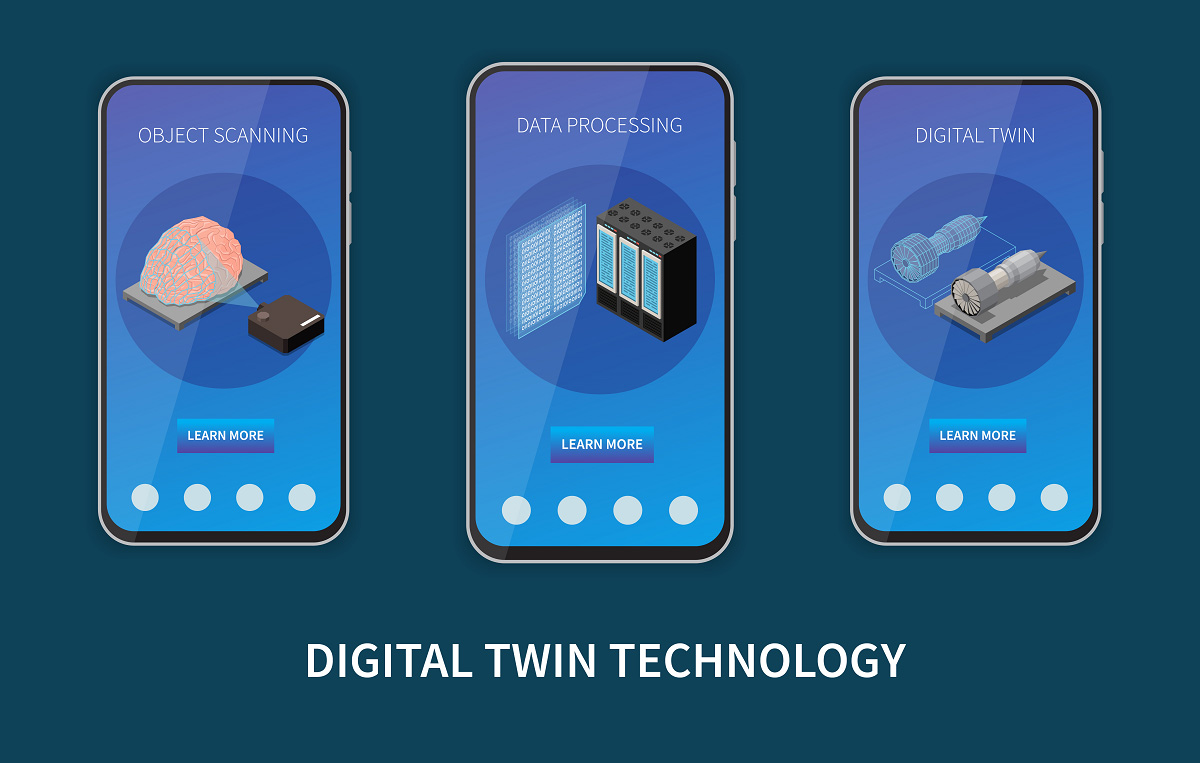
In an innovative step, doctors have employed a digital model known as a digital twin to test and treat a patient's heart rhythm disorder. This modern technique marks a significant advancement in medicine, allowing doctors to accurately simulate the patient's health condition before any medical intervention.
This initiative is part of doctors' efforts to improve treatment outcomes and reduce the risks associated with traditional medical procedures. By utilizing the digital twin, doctors were able to analyze the patient's vital data and identify abnormal patterns in heartbeats, which helped them make more precise decisions.
Event Details
The digital twin is a virtual model used to simulate an individual's health condition based on their actual data. In the case of the treated patient, doctors gathered precise information about his heartbeats, including changes in heart rate and timing. Subsequently, a digital model reflecting this data was created, enabling doctors to test various treatment scenarios without exposing the patient to any risks.
This technology is not entirely new, but it has started to gain momentum in recent years, as studies have shown that using a digital twin can improve the accuracy of diagnosis and treatment. The doctors involved in this study noted that the results were highly encouraging, as they were able to determine the most suitable treatment for the patient based on the data collected from the digital model.
Background & Context
Recent years have witnessed significant advancements in medical technology, where the use of big data and artificial intelligence has become an integral part of the diagnosis and treatment process. The digital twin is one of these innovations that reflects how technology can make a difference in patients' lives. In the past, treatments relied heavily on trial and error, which could lead to unsatisfactory outcomes or even health complications.
Developments in this field come at a critical time, as the global health system faces significant challenges due to the increasing number of patients suffering from heart disorders. According to the World Health Organization, heart diseases are among the leading causes of death worldwide, necessitating the need for more effective and precise therapeutic methods.
Impact & Consequences
The use of the digital twin to treat heart disorders represents a step towards a safer and more effective future in medicine. This technology could revolutionize how healthcare is delivered, as doctors can now virtually test different treatments before applying them to patients. This not only improves treatment outcomes but also reduces the costs associated with traditional therapies.
Moreover, this technology can be utilized in other medical fields, opening new avenues for research and development. As innovations in this area continue, we may witness significant improvements in how chronic and persistent diseases are managed.
Regional Significance
In the Arab region, where heart diseases are among the most prominent health challenges, the use of the digital twin could have a substantial impact. With the increasing number of patients suffering from these diseases, this technology could contribute to improving the quality of healthcare and providing more effective treatment solutions. Additionally, investing in medical technology can enhance the capabilities of the healthcare system in Arab countries, helping to better address health challenges.
In conclusion, the use of the digital twin represents an important step towards improving healthcare and demonstrates how technology can make a real difference in patients' lives. With ongoing developments in this field, we can expect more innovations that enhance the quality of life for many individuals.