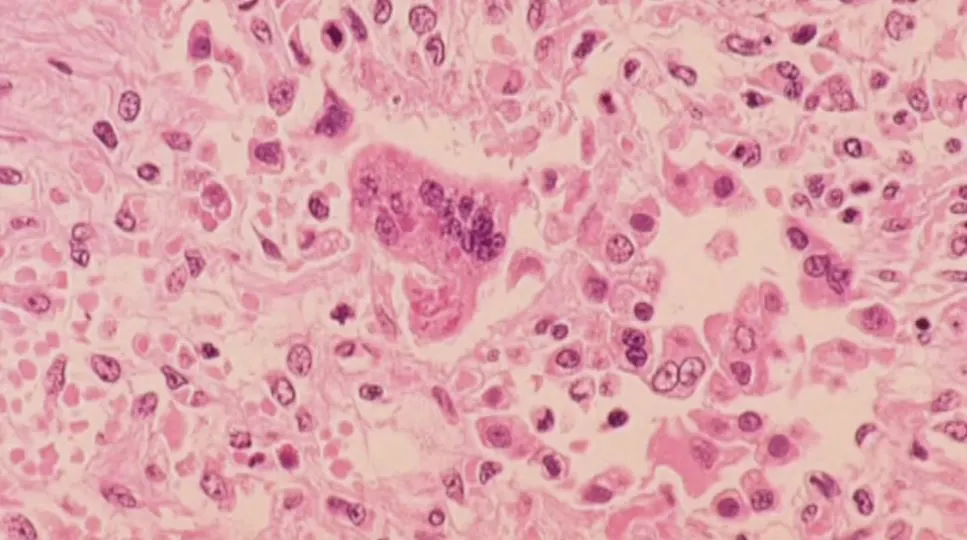
Specialist doctors in internal medicine have warned that measles, known for its ability to self-recover in individuals with good immunity, can lead to serious complications in individuals suffering from weakened immune systems. This warning came during a medical conference held in Jakarta, where Dr. Adito Susilo, a member of the Indonesian Internal Medicine Association, emphasized the importance of awareness regarding the risks of the disease.
Dr. Susilo pointed out that the most vulnerable groups to complications include individuals suffering from malnutrition, those with immune disorders such as HIV, patients undergoing chemotherapy, and pregnant women. He explained that measles can affect several organs in the body, increasing the risk of complications such as pneumonia and encephalitis.
Event Details
During the conference, the importance of vaccination as an effective means of preventing measles was highlighted. Dr. Susilo confirmed that vaccination helps build strong immunity before exposure to the virus. He also noted the urgent need to increase vaccination rates among groups that have not received complete vaccinations, in order to reduce the spread of the disease.
The conference also addressed the early symptoms of the disease, which are often subtle, making it essential to recognize them early to avoid complications. It was emphasized that treatment focuses on symptom support, as there is no specific antiviral treatment for measles, reflecting the importance of prevention through vaccination.
Background & Context
Historically, measles has been a common disease affecting children, but with the advancement of vaccination programs, infection rates have significantly decreased in many countries. However, the disease still poses a threat in some areas, especially among vulnerable populations. In recent years, some countries have witnessed an increase in measles cases, raising concerns among doctors and health authorities.
Measles is considered a highly contagious disease, spreading through the air and droplets, making it crucial to enhance awareness about the importance of vaccination. Studies have shown that vaccination can reduce the risk of contracting measles by up to 95%, contributing to the protection of the entire community.
Impact & Consequences
Failure to take preventive measures such as vaccination may lead to an increase in measles cases, putting additional pressure on health systems. Potential complications such as pneumonia and encephalitis can have severe consequences, including death in rare cases.
These warnings serve as a call to health authorities to strengthen vaccination programs and raise public awareness about the risks of measles. There is also an urgent need to provide support for individuals with weakened immune systems to ensure their safety.
Regional Significance
In the Arab region, measles continues to pose a health challenge, with some countries experiencing a rise in cases in recent years. Strengthening vaccination programs is essential to curb the spread of the disease and protect the most at-risk populations.
This situation requires concerted efforts between governments, health authorities, and civil society to ensure the provision of necessary vaccines and to enhance health awareness. Investing in vaccination programs can contribute to improving public health and reducing the risks associated with measles.