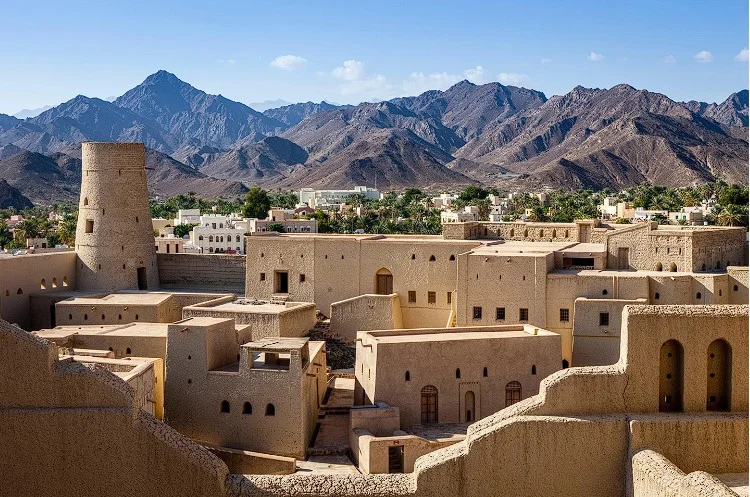
Recently published, Mohammed Rafei's book documents the architecture of ancient Oman, highlighting the rich architectural heritage that reflects the city's history. The book offers a comprehensive study of the architectural styles and cultural influences that have shaped Oman over the centuries.
The book covers a range of prominent architectural landmarks in Oman, illustrating how these landmarks reflect the city's history and development. It also emphasizes the importance of preserving this architectural heritage amid modern challenges.
Event Details
The book provides detailed insights into traditional architecture in Oman, from old houses and public buildings to mosques and markets. Rafei includes rare photographs and historical documents that support his analyses, making the book an important reference for researchers and those interested in architecture and history.
Additionally, the book analyzes the materials used in construction, such as stone and clay, and how these materials reflect the local environment. Rafei points out that architecture in Oman is not merely an art form but a reflection of the cultural and social identity of the city.
Background & Context
The history of Oman spans thousands of years, and the city has witnessed numerous historical periods that have left their mark on architecture. From Islamic periods to modern times, the architectural styles in Oman vary, making it a unique model in the region.
The book comes at a time when Oman is experiencing an architectural renaissance, with increasing modern projects that may impact the ancient architectural heritage. Therefore, documenting this architecture is essential for preserving the cultural identity of the city.
Impact & Consequences
The book underscores the importance of preserving architectural heritage as part of national identity. Rafei notes that the challenges facing traditional architecture require collective efforts from the local community and government entities to protect this legacy.
Furthermore, the book highlights the role of architecture in enhancing cultural tourism, as historical landmarks can be a source of attracting visitors and boosting the local economy. By preserving these landmarks, Oman can benefit from sustainable tourism.
Regional Significance
Oman is considered one of the Arab cities that retains a rich architectural heritage, making it a model for others in the region. The book reflects how other Arab cities can benefit from Oman's experience in preserving their architectural heritage.
The book also emphasizes the importance of cooperation among Arab countries in the field of cultural heritage preservation, where experiences and knowledge can be exchanged to achieve common goals in this area.
In conclusion, Mohammed Rafei's book is a valuable addition to the Arabic library, offering a comprehensive view of architecture in ancient Oman and enhancing awareness of the importance of preserving cultural heritage.