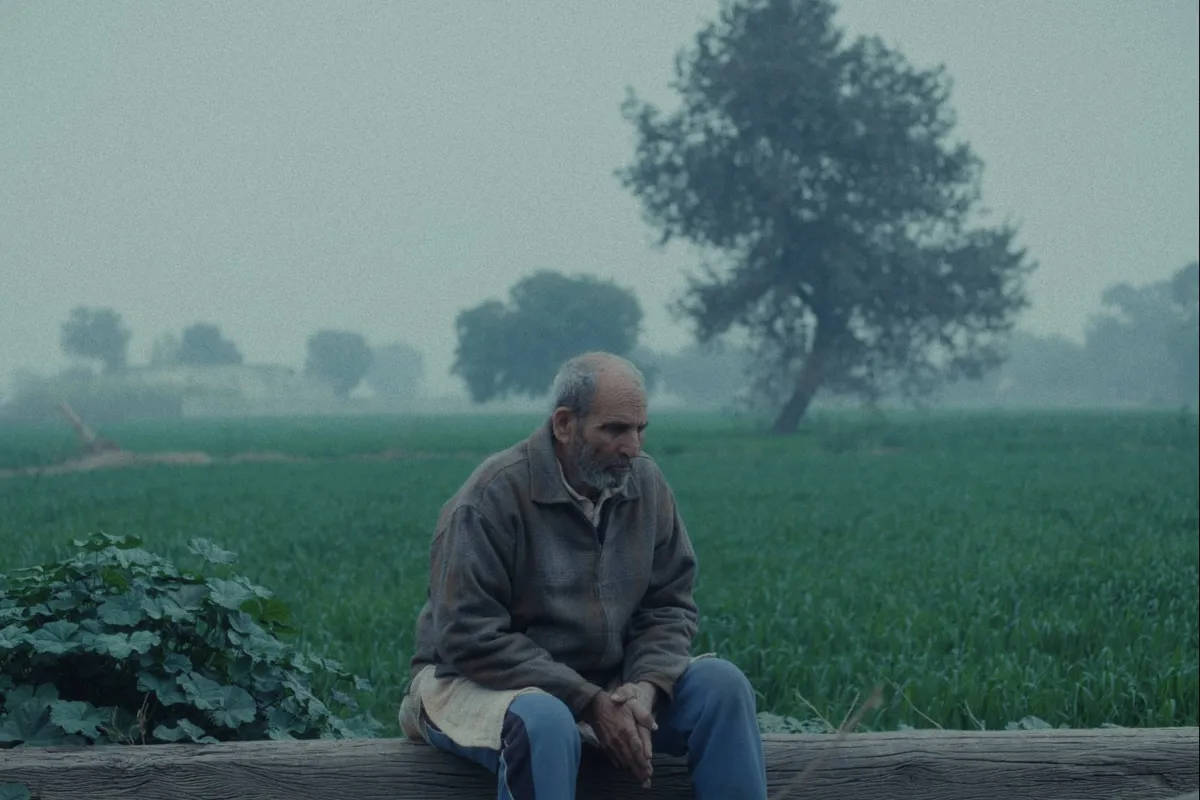
Indian director Ankur Huda reveals that his debut film, 'The Alternative Calf', is not based on a ready-made cinematic idea but is shaped by a deep personal experience that began as a fleeting thought but haunted him for years. The initial spark for the film's idea came from his grandfather's experience, who was a respected teacher but faced a harsh void after retirement, leading him to experience a real shock when he had to abandon his world connected to the land and livestock.
Huda describes that moment as a "moment of separation from identity," where he began to question: what remains of a person when they lose the thing they have known their entire life? He emphasizes that his film does not tell a traditional story but is based on reenacting real events he lived with his family in the Haryana region, where old lifestyles are eroded by the encroachment of cities.
Event Details
The events of 'The Alternative Calf', which premiered at the Copenhagen International Documentary Film Festival, revolve around a retired teacher living in a rural village suffering from urban expansion. The teacher faces a harsh moment when his cow gives birth to a stillborn calf, placing him in a crisis that transcends material loss to a human shock affecting his relationship with place and identity. The film reflects the absence of support and the disintegration faced by the elderly amid rapid changes.
One pivotal incident that impacted Huda was the death of a newborn calf on the farm, which brought back old rituals practiced in villages, such as making a "calf doll" as a symbolic substitute to preserve the behavior of the calf's mother. These rituals carry human and philosophical dimensions that go beyond their surface, making the film walk the fine line between documentary and narrative.
Background & Context
The film reflects the deep social transformations occurring in Indian villages, where youth migrate to cities in search of better opportunities, leaving the elderly to face an uncertain fate. This phenomenon creates a gap between generations, placing those who remain in a state of confusion between a fading past and a present to which they do not fully belong. Huda aims, through his film, to document these transformations, drawing on his personal experience and his family's experiences.
The film was produced with limited resources, as Huda could not secure traditional funding but relied on support from friends and family. He used a simple camera and filmed in real locations within the village, granting the film visual authenticity and significant creative freedom. The total cost did not exceed $500, reflecting the scale of the challenge he faced.
Impact & Consequences
Screening 'The Alternative Calf' in his village was a moving experience, as there were no technical facilities or professional equipment, but the human presence was overwhelming. Watching the villagers themselves on screen reconnected them with their story and the transformations they are experiencing. This direct interaction with the audience was one of the film's most significant gains, as Huda realized that cinema can be a means of understanding oneself.
The film is not just an independent work but the beginning of a longer cinematic project through which Huda seeks to document the transformations occurring in rural communities in India. He focuses on the relationship between humans and place, and how economic and social changes affect this relationship. Huda aims to explore those silent spaces where identity is formed and how a person feels they are losing part of themselves.
Regional Significance
Huda's experience reflects humanitarian and social issues that may be similar to challenges faced by Arab communities, where many villages suffer from youth migration to cities, creating a gap between generations. 'The Alternative Calf' can serve as an inspiration for Arab filmmakers to explore issues of identity and social transformations in their communities.
In conclusion, the film offers a call for reflection on the changes affecting rural life and how these changes can impact human identity.