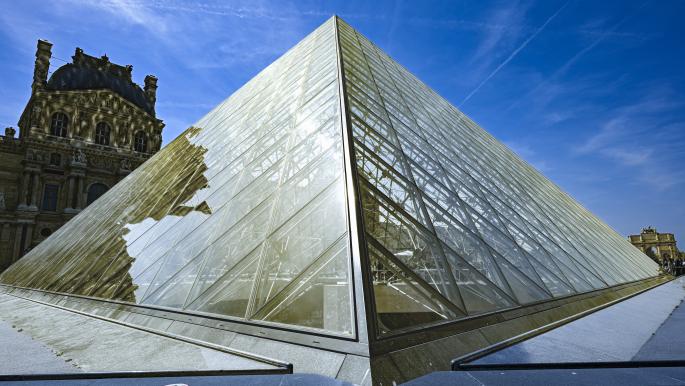
The book 'The Louvre Heist' narrates the intricate details of the famous museum theft that occurred in 2025, written by three distinguished journalists. This book provides a comprehensive view of the incident that captured global attention, as its rights have been transformed into a film project and a parallel documentary series, directed by French filmmaker Romain Gavras.
The theft of the Louvre is considered one of the most significant art heists of the 21st century, representing a major challenge for French authorities and security agencies responsible for protecting cultural heritage. The book presents precise details on how the heist was planned and executed, highlighting the vulnerabilities in the museum's security system.
Details of the Incident
In 2025, the Louvre Museum, one of the most famous museums in the world, was subjected to a complex theft that resulted in the loss of several valuable artworks. The new book offers a detailed narrative of the events, from the planning of the operation to its execution, shedding light on the key figures behind this audacious act.
The narratives in the book include interviews with eyewitnesses and experts in art security, adding depth to the story. It also discusses the reactions from French authorities and the public, and how this incident impacted the museum's reputation.
Background & Context
The history of the Louvre Museum is filled with intriguing stories, as it has been a center for culture and arts for centuries. Established in the 18th century, the museum houses a vast collection of artworks that reflect the history of humanity. With the increasing security threats in recent years, preserving these cultural treasures has become more important than ever.
This theft comes at a time when the world is witnessing a rise in museum heists, raising questions about how to protect cultural heritage. The book emphasizes the importance of enhancing security in museums and offers suggestions for improving current systems.
Impact & Consequences
The Louvre heist not only affected the museum itself but also had widespread implications for the art and culture sector. This incident led to a reevaluation of security policies in museums worldwide, prompting many institutions to adopt stricter measures to protect their collections.
Moreover, the incident sparked discussions about the importance of the arts in societies and how to preserve them. The book reflects these discussions and provides insights on how to enhance cultural awareness among the public.
Regional Significance
Although the incident occurred in France, it has implications for the Arab region, where culture and arts are essential parts of Arab identity. The importance of protecting Arab cultural heritage is highlighted in light of the challenges facing the region, including armed conflicts and security threats.
The book encourages reflection on how to safeguard Arab cultural heritage and emphasizes the importance of cooperation among Arab countries in this field. Promoting cultural awareness and protecting the arts should be priorities for governments and communities.
In conclusion, 'The Louvre Heist' offers a comprehensive view of one of the most significant art incidents in modern times and reflects the importance of protecting cultural heritage in a world full of challenges.