The US dollar has recorded a notable increase, nearing its highest level in ten months, as it approaches its largest monthly gain since July. This rise occurs amidst escalating tensions between the United States and Iran, raising concerns about the possibility of a swift resolution to the conflict in the Middle East.
In statements, President Donald Trump affirmed that the new leaders in Iran were "very reasonable," while more US troops arrived in the region, with Tehran warning that it would not accept humiliation. These remarks contribute to the uncertainty in financial markets.
Details of the Event
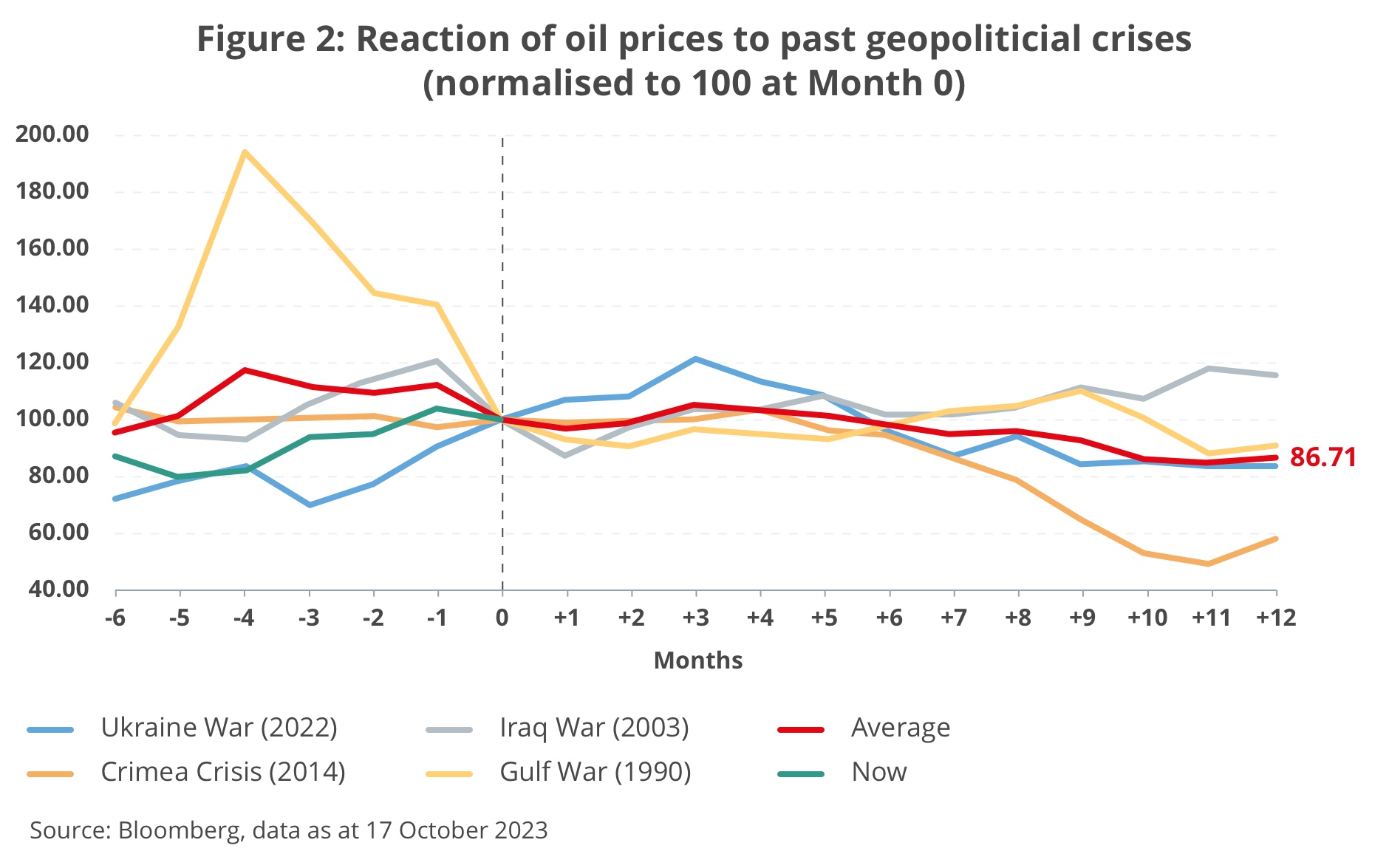
Financial markets have been heavily impacted this March after the conflict in Iran led to the closure of the Strait of Hormuz, a vital transit point for about one-fifth of global oil and gas supplies. This has resulted in rising oil prices, with Brent crude nearing its largest monthly increase.
The dollar has benefited from its status as a safe haven since early March, as rising oil prices have negatively affected the Japanese economy and the Eurozone, while bolstering the economic position of the United States as an oil-exporting country.
Background & Context
Historically, relations between the United States and Iran have seen increasing tensions, especially following the US withdrawal from the Iranian nuclear deal in 2018. Since then, Washington has imposed strict economic sanctions on Tehran, exacerbating Iran's economic conditions and increasing military tensions in the region.
At the same time, the Eurozone is experiencing an economic slowdown, which adds pressure on its currency, the euro, which has seen a decline of 2.5% in March, marking its lowest level since last July.
Impact & Consequences
Analysts assert that the rise of the dollar could have negative effects on global markets, as it may lead to increased costs for imported goods, affecting inflation in importing countries. Additionally, a stronger dollar could impact foreign investments in emerging markets, increasing economic pressures on those nations.
On the other hand, ongoing tensions in the Middle East may lead to fluctuations in oil prices, which could affect the global economy as a whole. Experts expect that markets will remain under pressure until clarity emerges regarding the conflict in the region.
Regional Significance
Arab countries are directly affected by the escalating tensions in the Middle East, as many of these nations rely on oil exports. Rising oil prices may lead to increased revenues in some countries, but they may also heighten political and economic tensions in the region.
Simultaneously, fluctuations in dollar prices could have negative effects on Arab trade, as many Arab countries conduct their international trade in dollars. Therefore, the current situation requires Arab nations to take proactive measures to address these challenges.