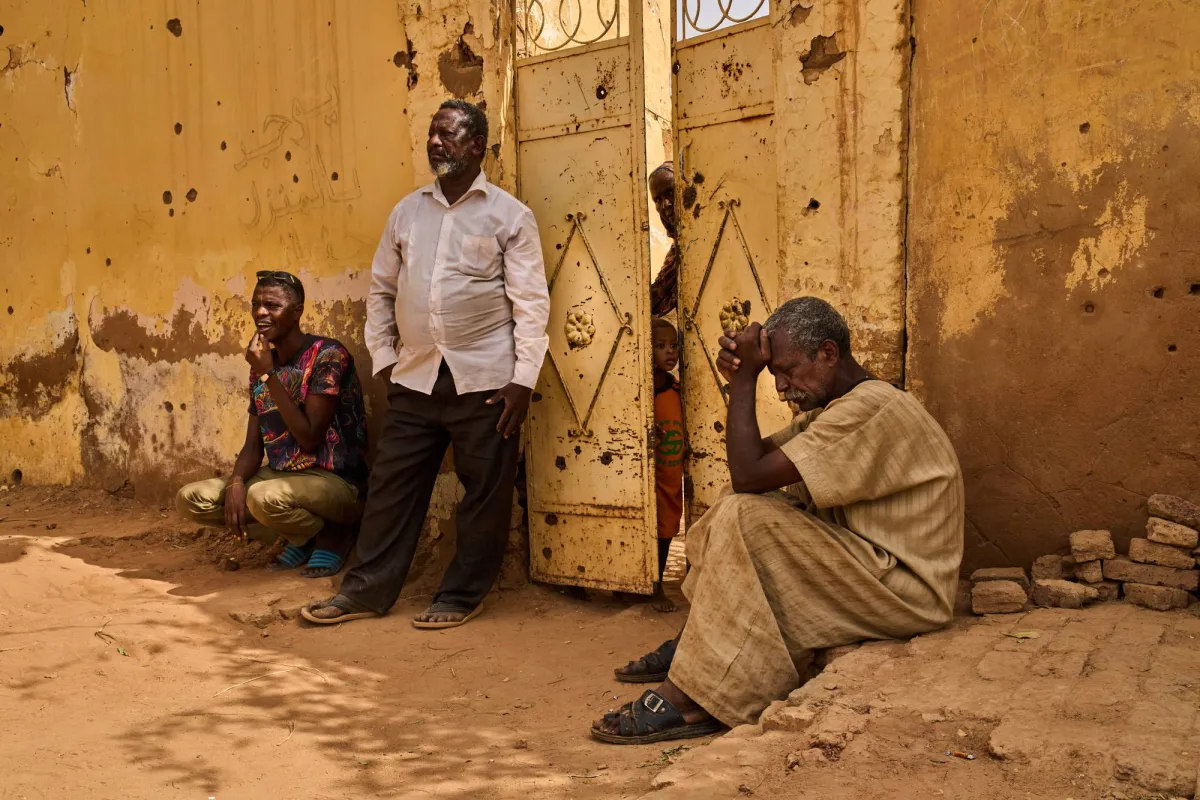
A humanitarian aid convoy from the UN High Commissioner for Refugees was attacked by a drone in North Darfur, resulting in the destruction of all relief supplies being transported. The attack, which occurred last Friday, targeted a truck carrying emergency shelter equipment en route to Talodi, where over 700,000 displaced individuals have sought refuge after fleeing fighting in other areas of Darfur.
The commission confirmed that all supplies were destroyed in the fire caused by the attack, noting that there were no reported injuries. However, the organization warned that this attack deprives the displaced of essential aid amid dire living conditions.
Details of the Incident
In a statement, the commission expressed its grave concern regarding the increasing frequency of drone attacks, which have resulted in the deaths of hundreds of civilians. The UN Under-Secretary-General for Humanitarian Affairs, Tom Fletcher, reported that approximately 700 civilians were killed in drone strikes during the first three months of this year.
In another incident, at least seven people were killed and 22 injured in a drone attack on the city of Al-Obeid, the capital of North Kordofan, where the attack targeted a densely populated residential area. The responsible party for this attack has not been identified, but the Rapid Support Forces have been attempting to re-establish a blockade on the city for several months.
Background & Context
The war in Sudan has persisted for over three years, resulting in the deaths of tens of thousands and the displacement of more than 11 million people. Famine has spread in some areas of Darfur and Kordofan, where approximately 29 million people, or over 60% of the population, are suffering from severe food insecurity.
Attacks on humanitarian convoys are not new; a World Food Programme warehouse in Kadugli was bombed by a drone last February, exacerbating the humanitarian situation in the country. These attacks reflect the escalating violence amid the ongoing conflict between the Sudanese army and the Rapid Support Forces.
Impact & Consequences
These incidents underscore the urgent need to provide protection for civilians in conflict areas, as the increase in drone attacks heightens the suffering of the civilian population. The destruction of humanitarian aid convoys hampers relief efforts and worsens humanitarian conditions.
These circumstances require an urgent international response to ensure humanitarian assistance reaches those in need and to provide protection for civilians. The rise in violence could exacerbate humanitarian crises in the region, necessitating immediate action from the international community.
Regional Significance
The situation in Sudan serves as an indicator of the security and humanitarian challenges facing the Arab region as a whole. The escalation of violence in Sudan may affect stability in neighboring countries and increase the flow of refugees to surrounding nations, placing additional pressure on limited resources.
These conditions require regional and international cooperation to address humanitarian and security challenges, ensuring the protection of civilians and the provision of necessary aid. The continuation of the conflict in Sudan could negatively impact peace and stability efforts in the region.