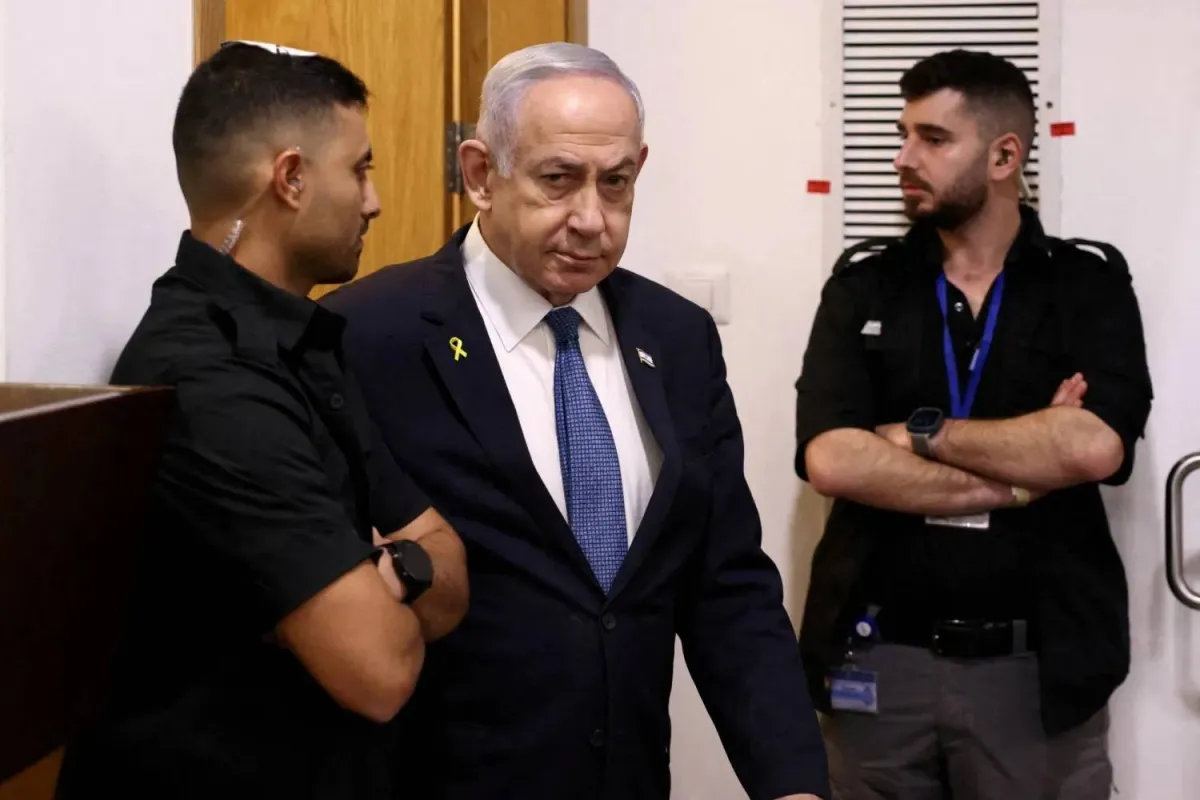
Israeli Prime Minister Benjamin Netanyahu faced two major shocks on Sunday in a volatile political landscape. His biggest rivals, Naftali Bennett and Yair Lapid, announced the merger of their parties in a move aimed at overthrowing his coalition government in the upcoming elections scheduled for October this year. Simultaneously, Netanyahu's chances of obtaining a pardon from his ongoing corruption trial have significantly decreased.
Bennett, who leads the right-wing faction, and Lapid, the leader of the centrist bloc, issued a joint statement announcing the establishment of a new party named “Together”. Lapid emphasized that this step aims to unify their ranks and put an end to internal divisions, focusing on winning the next elections and leading Israel towards a better future. Meanwhile, Bennett's office indicated that he would personally lead the new party.
Details of the Political Merger
Netanyahu's current government relies on a coalition between his party, Likud, and far-right factions. Despite opposition attempts to unite, they have yet to form a strong front capable of toppling the ruling coalition. The announcement of the party merger came just hours after Israeli President Isaac Herzog stated that he would not consider Netanyahu's pardon request until all possible efforts to reach a plea deal have been exhausted.
Israel is facing a state of political and social division, as the legal troubles surrounding Netanyahu, which began nearly a decade ago, have shaken the political arena. The next elections are scheduled to take place by the end of October 2026. Netanyahu denies all charges against him, including bribery, fraud, and breach of trust.
Background & Context
The roots of the legal issues facing Netanyahu trace back to investigations that began over a decade ago. These cases have led to significant divisions within Israeli society, with the country witnessing five electoral rounds since 2019. As political and legal pressures mount, Netanyahu is seeking a way out of these crises, but obstacles continue to increase.
At the same time, Herzog's statements regarding the pardon indicate that matters are unlikely to move towards a quick resolution. He confirmed that all efforts must be exhausted to reach an agreement before considering the pardon request, complicating Netanyahu's position further.
Impact & Consequences
The ramifications of these events extend beyond the political arena, reflecting a state of instability that could affect social and economic security in Israel. As elections approach, the party merger may alter the balance of power in the Knesset, reflecting voters' desire for change.
Moreover, the diminishing chances of a pardon for Netanyahu could increase pressure on him, potentially escalating political crises. If the current government fails to achieve stability, the country may head towards another round of elections, heightening uncertainty.
Regional Significance
The political developments in Israel hold significant importance for the Arab region. With increasing pressures on Netanyahu, Israeli relations with Arab countries may be affected, especially amid ongoing peace efforts. Any change in the Israeli government could impact policies towards the Palestinian issue and relations with neighboring countries.
Ultimately, the situation in Israel remains volatile, as politics intertwine with legal issues, creating a state of instability that could affect the entire region.