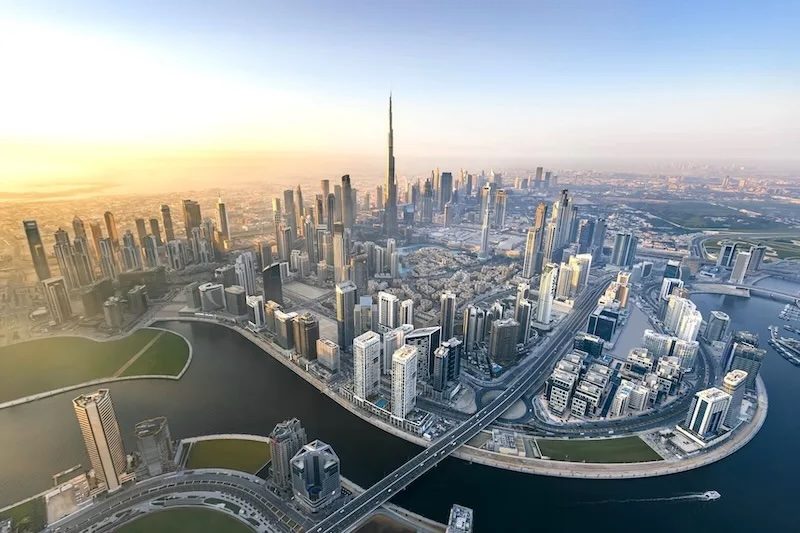
Dubai demonstrates the adaptability and growth of its economic model despite global challenges. The city, known as a commercial and tourist hub, continues to attract investments and strengthen its position in the global market. Amid changing economic conditions, Dubai has managed to maintain its economic momentum through innovative strategies and a flexible business environment.
Reports indicate that Dubai has witnessed a significant increase in foreign direct investments, reflecting investor confidence in the local economy. The city also benefits from its strategic geographical location, making it a connecting point between the East and the West, which enhances its ability to attract global companies.
Event Details
In recent years, Dubai has implemented a series of economic policies aimed at promoting sustainable growth. Among these policies are enabling innovation and streamlining bureaucratic procedures to attract more startups. Additionally, Dubai is investing in infrastructure development, facilitating trade and tourism movements.
Moreover, Dubai seeks to diversify its economy away from oil by promoting sectors such as tourism, technology, and financial services. These strategies have shown positive results, with the city recording notable growth in its gross domestic product (GDP).
Background & Context
Dubai was established as a trading city in the early 20th century and has since undergone significant transformations. In the 1970s, the government began investing oil revenues in infrastructure development and enhancing other economic sectors. This shift has made Dubai one of the fastest-growing cities in the world.
Over the years, Dubai has faced numerous challenges, including global financial crises. However, the city has proven its ability to recover quickly, reflecting the resilience of its economic model. Today, Dubai is considered a role model for other cities in the region and the world.
Impact & Consequences
The strength of Dubai's economic model has a positive impact on the entire region. As Dubai continues to attract investments, economic opportunities in neighboring countries are increasing. This growth enhances economic stability in the region and encourages cooperation among Arab countries.
Furthermore, Dubai's success in enhancing its status as a global commercial hub contributes to improving the region's image on the international stage. This is particularly important given the political and economic challenges faced by some Arab countries.
Regional Significance
Dubai serves as a model for other Arab cities, which can benefit from its strategies in promoting economic growth. This model can be applied in countries like Saudi Arabia and Egypt, where these nations aim to diversify their economies and achieve sustainable development.
In conclusion, Dubai's economic model showcases its strength and resilience in the face of challenges. Its innovative strategies and focus on economic diversification make it a role model in the region, opening new horizons for development and prosperity.