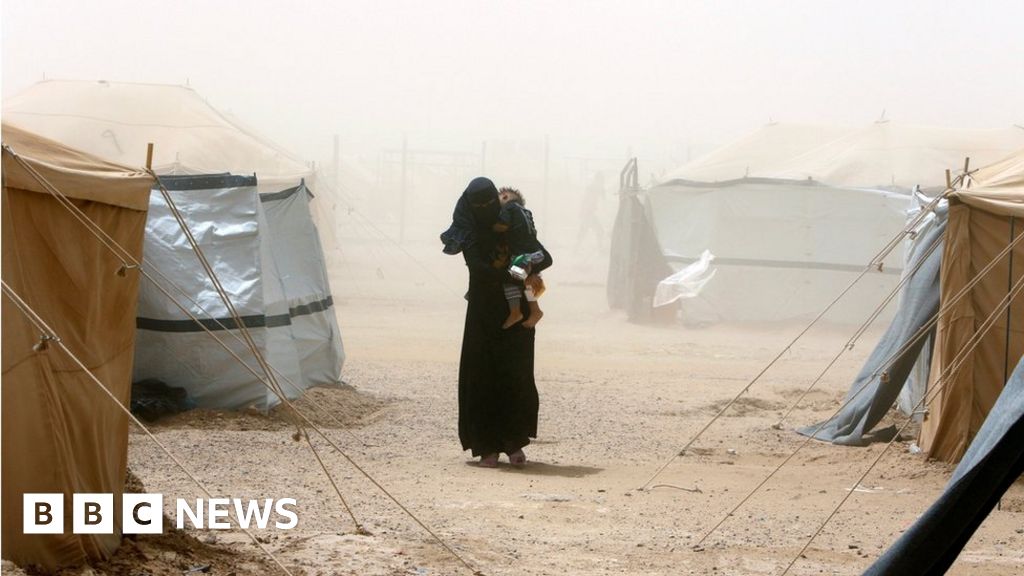
A dense dust storm originating from Libya is affecting 12 countries in North Africa and the Middle East, impacting air quality and visibility in many areas. The affected countries include the Levant and Saudi Arabia, where dust has been observed in the skies, raising concerns among the population.
This phenomenon is a result of strong winds carrying dust from the Sahara Desert, leading to deteriorating air quality and an increase in cases of allergies and respiratory diseases. Health authorities in the affected countries have warned against unnecessary outings, especially for individuals suffering from chronic health issues.
Details of the Event
Reports indicate that the dust storm began affecting coastal and inland areas of Libya, then spread across the Mediterranean Sea to countries such as Tunisia, Algeria, and Morocco. It has also reached the Levant, affecting Lebanon, Syria, and Jordan, in addition to Saudi Arabia, which has experienced reduced visibility due to the dust.
Weather forecasts suggest that this dust wave may last for several days, further amplifying its impact on the daily lives of residents. Some countries have issued warnings to citizens to take necessary precautions.
Background & Context
The phenomenon of desert dust is common in the North African region, where it affects the local climate and causes numerous health issues. This is attributed to climatic and geographical factors that facilitate the transfer of dust from the desert to populated areas.
In recent years, the region has seen an increase in the frequency of such phenomena, raising questions about the impact of climate change on the environment. Studies have shown that rising temperatures and drought increase the likelihood of such dust waves.
Impact & Consequences
Dust waves significantly affect daily life, leading to school closures and the suspension of sports activities. There is also an increase in respiratory disease cases, putting additional pressure on health systems in the affected countries.
These phenomena require a swift response from governments, as there must be emergency plans to address the health and environmental crises resulting from these waves. Public awareness on how to deal with such phenomena and reduce health risks should also be enhanced.
Regional Significance
This wave serves as a reminder of the importance of regional cooperation in addressing environmental challenges. Climatic phenomena like this can exacerbate economic and social conditions in the region, necessitating a coordinated response among countries.
Moreover, the impact of dust on agriculture and crops can have long-term implications for food security in the region. Therefore, it is crucial for countries to develop strategies to adapt to these climatic changes.
In conclusion, the current dust wave represents a significant challenge for the affected countries, necessitating immediate action to mitigate its effects. It requires a concerted effort between governments and local communities to protect public health and the environment.