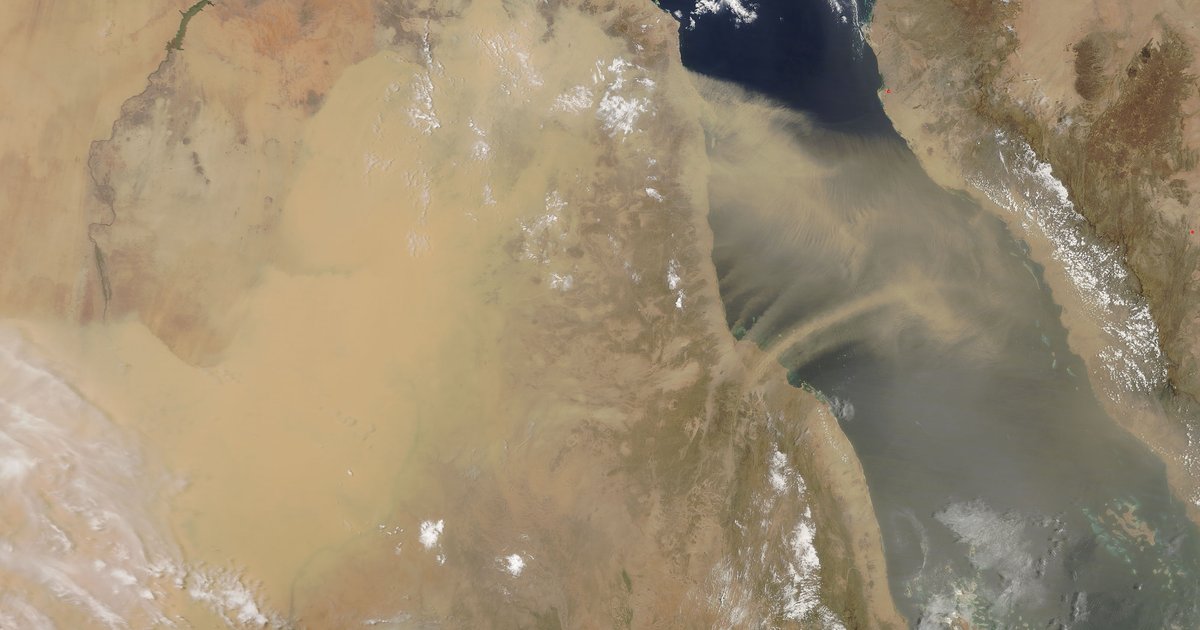
A powerful dust storm has struck the northern Red Sea, leading to a significant reduction in visibility. Authorities have issued urgent warnings for citizens to exercise caution and avoid open areas.
This storm comes at a sensitive time, as many citizens are already facing the adverse effects of bad weather on their daily lives. Weather reports indicate that the storm may impact traffic and air transport, raising concerns about public safety.
Details of the Event
The dust storm affecting the northern Red Sea has reduced visibility to less than 500 meters in some areas, making navigation difficult. The meteorological authority has warned that these adverse weather conditions are expected to continue over the coming hours, with the storm likely persisting until evening.
Local authorities have instructed citizens to remain indoors and avoid going out unless absolutely necessary. Many flights have been canceled and some maritime schedules postponed due to these conditions.
Background & Context
Dust storms are a common natural phenomenon in the northern Red Sea region, particularly during the spring seasons. However, the severity of the current storm raises concerns, as forecasts suggest that climate change may lead to an increase in the frequency and intensity of such phenomena.
Historically, the region has experienced several dust storms, but the current storm is considered among the most severe. These phenomena have impacted agriculture and transportation, resulting in significant economic losses.
Impact & Consequences
The dust storm directly affects the daily lives of citizens, hindering traffic and increasing the risk of accidents. Additionally, the deterioration of air quality due to dust may exacerbate respiratory issues for individuals with chronic illnesses.
Economically, the storm could impact vital sectors such as tourism and transportation, negatively affecting the local economy. Urgent government interventions may be required to mitigate the effects of this storm on citizens.
Regional Significance
Dust storms are a common phenomenon in many Arab countries, affecting daily life and the economy. These phenomena can increase tensions in certain areas, especially if they coincide with other crises such as water or food shortages.
In light of these conditions, Arab countries must enhance cooperation in meteorology and information sharing to better address these natural challenges.
In conclusion, dust storms remain a significant challenge for the region, necessitating a swift and effective response from both authorities and citizens alike.